
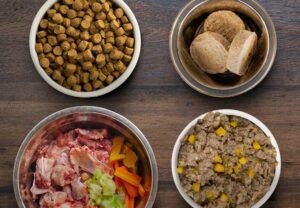
Feeding your dog properly requires choosing a commercially balanced diet formulated for their specific life stage, size, and lifestyle, supplemented with safe fresh foods if desired. The foundation of canine nutrition is a complete and balanced daily ration that delivers the right proportion of proteins, fats, carbohydrates, vitamins, and minerals without forcing you to guess complex nutrient ratios.
Key Takeaways
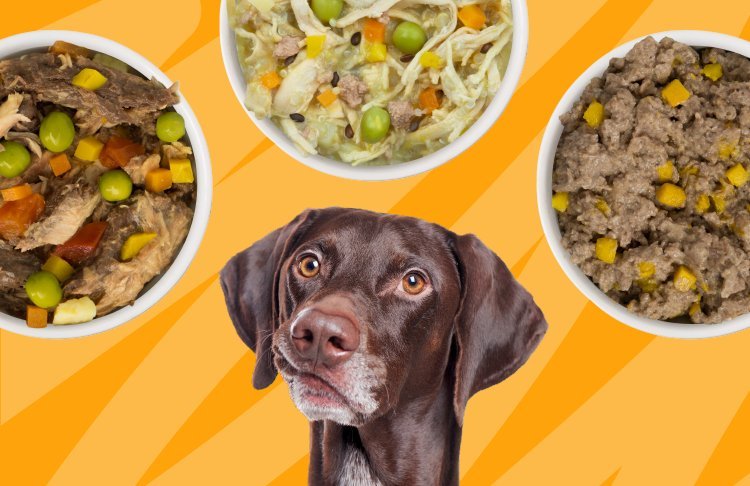
- Base everyday meals on a complete commercial food meeting established nutritional standards.
- Match the formula strictly to life stages: puppy, adult maintenance, or senior.
- Add fresh food toppers like cooked chicken or plain pumpkin in moderation.
- Keep all treats and table scraps under 10 percent of daily calories.
- Never feed toxic kitchen staples like onions, grapes, raisins, chocolate, or xylitol.
What Should I Give My Dog for Food?
Your dog needs a daily diet that provides complete nutrition through high-quality animal proteins, digestible carbohydrates, essential fatty acids, and balanced micronutrients. While wild canines consume diverse whole prey, domestic dogs are omnivores capable of thriving on carefully formulated commercial diets or precisely engineered home-cooked meals.
Most veterinarians recommend feeding a base of quality dry kibble or wet canned food certified by the Association of American Feed Control Officials.
Commercial Dog Food Options Compared
Selecting a store-bought food means weighing convenience, moisture levels, dental benefits, and monthly cost. The three primary formats each serve distinct household needs.
| Food Format | Key Benefits | Typical Shelf Life | Common Brands |
|---|---|---|---|
| Dry Kibble | Cost-effective, promotes chewing, easy storage | 12 to 18 months unopened | Purina Pro Plan, Hill’s Science Diet, Royal Canin |
| Wet / Canned Food | High hydration, palatable, easy to chew | 2 to 3 years unopened | Blue Buffalo Homestyle, Wellness CORE, Merrick |
| Fresh / Gently Cooked | Whole ingredients, minimally processed | 4 to 6 months frozen | The Farmer’s Dog, JustFoodForDogs, Nom Nom |
Matching Food to Life Stages
A Great Dane puppy requires completely different nutrient densities than a sedentary senior Chihuahua. Feeding an improper life stage can lead to skeletal deformities or organ strain.
Puppy Diets (0 to 12 Months)
Growing puppies require elevated crude protein (typically 22% to 32%) and higher caloric density to fuel rapid cell replication. Large-breed puppies require strictly controlled calcium-to-phosphorus ratios to prevent developmental orthopedic diseases like hip dysplasia.
Adult Maintenance (1 to 7 Years)
Adult dogs need balanced caloric energy to maintain an optimal body condition score. Active working dogs benefit from higher fat percentages, while typical family pets require moderate fat to prevent excessive weight gain.
Senior Formulas (7+ Years)
Older canines often experience reduced metabolic rates, joint stiffness, and declining kidney efficiency. Senior diets incorporate lower sodium, reduced calories, easily digestible proteins, and supplemental joint support compounds such as glucosamine and chondroitin.
Safe Human Foods to Share
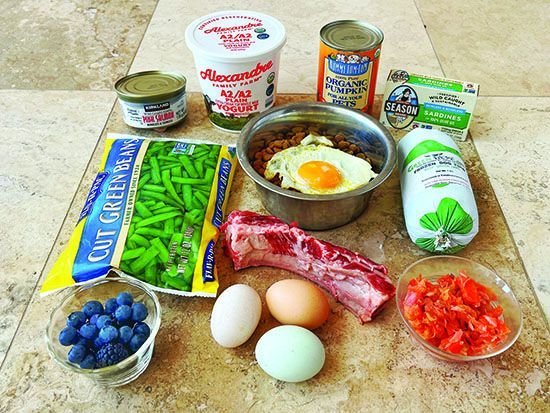
You can supplement your dog’s regular meals with nutrient-dense fresh produce and lean animal proteins. These additions provide natural antioxidants, hydration, and dietary variety.
- Cooked lean poultry: Skinless chicken breast, roasted turkey, and lean ground beef without added oils or seasonings.
- Fiber-rich vegetables: Plain steamed green beans, shredded carrots, and raw cucumber slices.
- Low-sugar fruits: Fresh blueberries, sliced strawberries, and seedless watermelon chunks.
- Digestion-soothing starches: Pure canned pumpkin (not pie mix) and plain boiled white rice.
Pro Tip: Treat fresh additions as meal toppers rather than full replacements, keeping them under 10% of total daily intake to preserve nutritional balance.
Dangerous Foods Dogs Must Never Eat
Certain everyday human kitchen staples contain biological toxins that trigger immediate organ damage or death in dogs. Never feed these items under any circumstances.
| Food Item | Primary Toxic Mechanism | Clinical Symptoms |
|---|---|---|
| Grapes and Raisins | Acute renal failure trigger | Vomiting, lethargy, rapid kidney failure |
| Chocolate and Cocoa | Theobromine and caffeine toxicity | Tachycardia, tremors, seizures |
| Onions, Garlic, Chives | N-propyl disulfide causing hemolysis | Pale gums, weakness, hemolytic anemia |
| Xylitol (Birch Bark Extract) | Massive insulin surge | Severe hypoglycemia, acute liver necrosis |
| Macadamia Nuts | Unknown neurotoxin | Hind-limb weakness, vomiting, hyperthermia |
Warning: If you suspect your pet consumed any toxic item, immediately contact your local animal emergency clinic or the ASPCA Animal Poison Control Center.
How Much Should You Feed Daily?
Overfeeding is the leading cause of preventable illness in domestic canines. The daily portion depends primarily on weight, age, and activity level. Use food measuring cups rather than standard drinking glasses to ensure exact caloric control.
| Dog Weight (lbs) | Daily Kibble Amount (Standard Cups) | Daily Calorie Range (kcal) |
|---|---|---|
| 5 to 10 lbs | 1/2 to 3/4 cup | 200 to 350 kcal |
| 11 to 25 lbs | 3/4 to 1 1/2 cups | 350 to 700 kcal |
| 26 to 50 lbs | 1 1/2 to 2 1/2 cups | 700 to 1,200 kcal |
| 51 to 75 lbs | 2 1/2 to 3 1/3 cups | 1,200 to 1,700 kcal |
| 76 to 100 lbs | 3 1/3 to 4 1/4 cups | 1,700 to 2,200 kcal |
How to Switch Diets Safely?

Sudden menu changes frequently trigger acute gastrointestinal distress, resulting in severe diarrhea, vomiting, and appetite loss. Protect your pet’s digestive balance by executing a gradual food transition across a minimum of seven to ten days.
- Days 1 to 2: Combine 75% of the old food with 25% of the new food.
- Days 3 to 4: Feed a balanced 50/50 mixture of both formulas.
- Days 5 to 6: Increase the new brand to 75% and drop the old food to 25%.
- Day 7 onward: Serve 100% of the new diet exclusively.
Pro Tip: If your dog develops loose stools during the transition, hold the current ratio steady for an additional three days until bowel movements normalize.
Frequently Asked Questions
Can dogs live on an all-meat diet?
No, dogs can’t thrive on meat alone. While meat provides vital protein and amino acids, an exclusive muscle-meat diet lacks essential calcium, trace minerals, and vitamins, leading to skeletal softening and severe organ dysfunction over time.
Is raw food better than cooked kibble?
No scientific consensus proves raw diets outperform balanced cooked foods. Raw feeding carries documented risks of bacterial contamination from Salmonella and Listeria, alongside frequent nutritional imbalances unless overseen by a board-certified veterinary nutritionist.
How often should adult dogs eat each day?
Most healthy adult dogs do best eating twice per day, spaced roughly twelve hours apart. Feeding morning and evening portions helps regulate blood sugar, supports consistent digestive transit, and prevents painful stomach bilious vomiting caused by long fasts.
Are grain-free dog foods actually healthier?
No, grain-free foods offer no inherent health advantage unless your dog has a verified wheat or grain allergy. Many grain-free diets substitute legumes and peas, which the FDA has investigated for potential links to canine dilated cardiomyopathy.
Check your current dog food bag to ensure it carries an explicit nutritional adequacy statement for your dog’s specific age, then schedule a quick consultation with your veterinarian to review your pet’s ideal weight and daily calorie target.