

There’s no single universal name for dog food, as the industry categorizes these products based on their nutritional composition, processing method, and life-stage requirements. Manufacturers label these items as complete and balanced diets, supplemental treats, or specialized veterinary therapeutic formulas for specific health conditions.
The most important factor when choosing a diet is the product’s compliance with established safety standards. A common mistake people make is assuming that any bag labeled “natural” or “premium” provides a complete nutritional profile. Always verify the packaging for a statement confirming the food meets the nutrient profiles established by the Association of American Feed Control Officials.
How to name the best dog food
- Check the packaging for the “AAFCO Statement of Nutritional Adequacy” to ensure the formula is complete and balanced for your dog’s specific life stage, such as growth, maintenance, or all life stages.
- Review the ingredient list to identify the primary protein source, which should be listed as the first ingredient for high-quality formulations.
- Consult with your veterinarian to determine if your dog requires a specific caloric intake based on their age, weight, and activity level.
- Transition your dog to a new diet gradually over 7 to 10 days by mixing increasing amounts of the new food with the old to prevent digestive upset.
- Store dry kibble in a cool, dry place inside its original bag to maintain freshness and prevent nutrient degradation.
Tip: If your dog has a known food allergy or medical condition, avoid over-the-counter options and follow the specific feeding plan provided by your veterinarian.
Time required for dietary changes
The duration for transitioning to a new food depends on your pet’s sensitivity and the type of product you choose.
| Situation | How long | What changes it | What to watch for |
|---|---|---|---|
| Standard transition | 7–10 days | Digestive sensitivity | Loose stools or vomiting |
| Sensitive stomach | 14 days | Previous illness | Changes in appetite |
| Veterinary diet change | 2–4 weeks | Chronic condition | Weight fluctuations |
If your dog experiences persistent diarrhea or refuses to eat for more than 24 hours during a transition, consult your veterinarian immediately as these symptoms may indicate an underlying health issue.
Identifying quality and safety signs
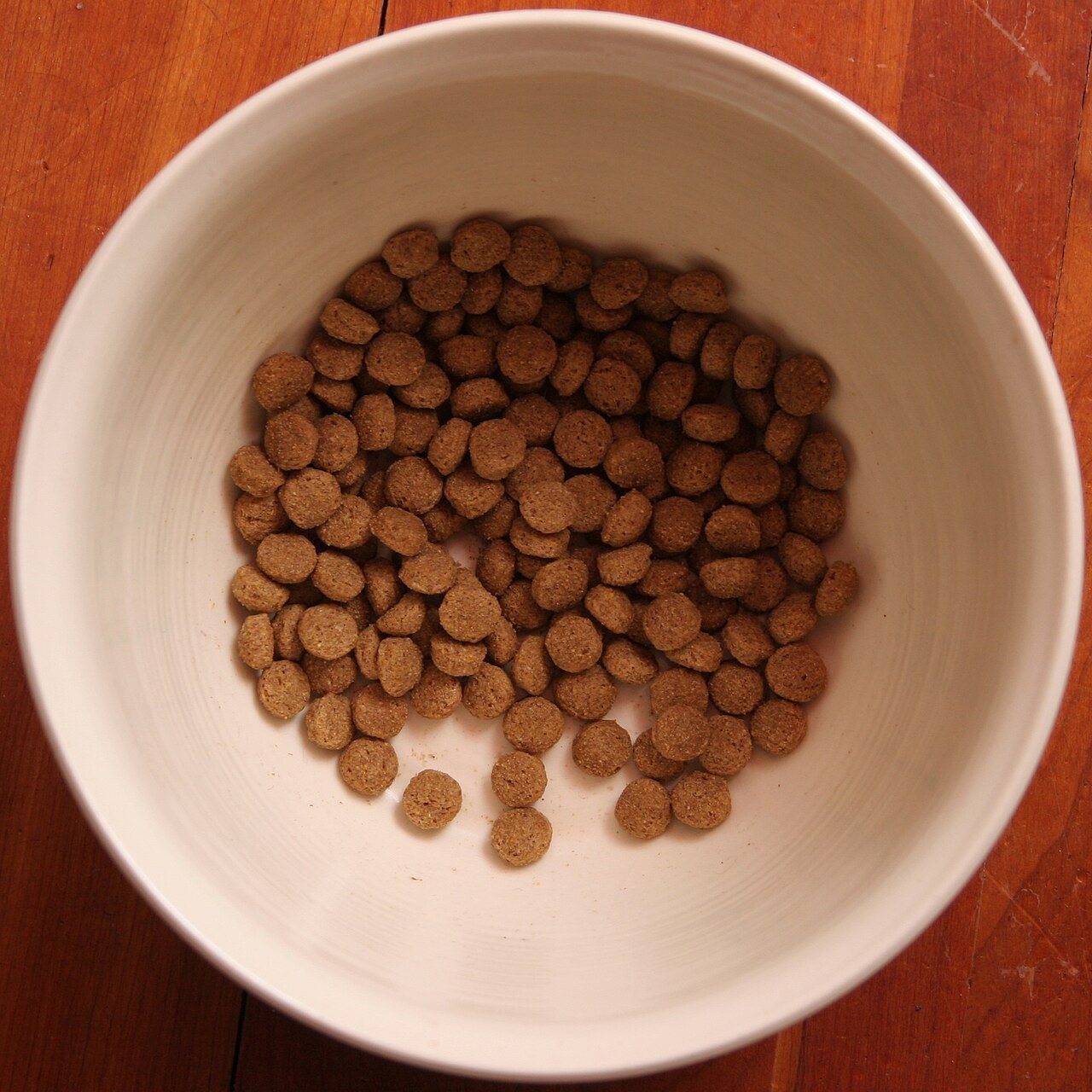
You can determine if a product is high quality by looking for the AAFCO nutritional guidelines label, which confirms the food has been tested or formulated to meet specific nutrient requirements. Beyond the label, look for clear manufacturing dates and batch codes, which are essential for safety recalls. The most reliable indicator of a product’s safety is its adherence to FDA pet food regulations, which mandate that all food must be safe to eat, produced under sanitary conditions, and labeled truthfully. If you’re unsure about a brand, check the manufacturer’s website for their quality control protocols and sourcing transparency.
Common feeding errors to avoid
- Feeding based on human food trends: Many popular human diets lack the balance of essential amino acids and minerals required for canine health, which can lead to long-term deficiencies. Stick to formulated pet foods that meet standardized nutritional requirements.
- Ignoring portion control: Overfeeding is a frequent mistake that leads to obesity and associated joint or heart issues in dogs. Use a standard measuring cup rather than guessing the amount to ensure you meet the caloric needs for your dog’s size.
- Switching diets too quickly: Rapid changes often cause gastrointestinal distress, including vomiting or severe diarrhea. Always follow the gradual mixing method to allow your pet’s microbiome to adjust to the new ingredients.
- Storing food in open containers: Leaving kibble exposed to air causes fats to oxidize, which makes the food taste rancid and reduces its nutritional value. Keep the bag sealed tightly or use a dedicated airtight container.
Frequently asked questions
Can I feed my dog human food instead of commercial food?
No, human food often lacks the specific balance of vitamins, minerals, and amino acids that dogs require for long-term health. If you choose to prepare home-cooked meals, you must work with a veterinary nutritionist to ensure the diet meets all safety and nutritional standards for your dog’s size.
How long does dry dog food stay fresh?
Dry food typically stays fresh for about 4 to 6 weeks after the bag is opened, provided it’s stored in a cool, dry place. Always check the “best by” date on the packaging, as the specific shelf life varies depending on the preservatives used by the manufacturer.
Is grain-free food better for my dog?
No, there’s no scientific evidence that grain-free diets are superior for healthy dogs unless they have a diagnosed allergy to specific grains. Many dogs thrive on diets that include high-quality grains like brown rice or barley, which provide essential fiber and energy for their daily activities.
Why do some brands cost more than others?
Higher-priced brands often invest more in clinical trials, high-quality ingredient sourcing, and rigorous safety testing to ensure the product is nutritionally complete. While cost doesn’t always guarantee quality, premium brands are more likely to provide transparent information regarding their sourcing and manufacturing processes for every batch.
What happens if I change my dog’s food without transition?
Changing food suddenly often causes digestive upset, resulting in symptoms like vomiting, gas, or diarrhea because the dog’s gut bacteria can’t adapt quickly. A gradual transition over at least one week is necessary to help your dog’s digestive system adjust to the change in protein, fat, and fiber content.
Is it safe to mix wet and dry food?
It’s safe to mix wet and dry food as long as you account for total daily calories to avoid overfeeding. Ensure both types of food are intended for the same life stage to maintain a balanced nutritional profile for your dog.
Conclusion
Choosing the right nutrition doesn’t have to be overwhelming. Instead of guessing, check the fine print on the back of the bag to see if it fits your pet’s unique needs. You’ll find that consulting your local vet is a great way to ensure you’re making the healthiest choice for them.