
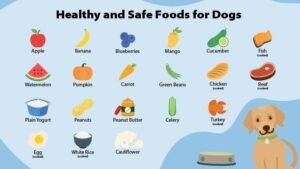
A high-quality, nutritionally complete commercial diet labeled for your dog’s specific life stage is the healthiest food to feed my dog. These foods are formulated to meet strict standards that ensure your pet receives the correct balance of protein, fats, vitamins, and minerals.
Choosing the healthiest food to feed

- Select a food labeled “complete and balanced” by the Association of American Feed Control Officials.
- Match the diet to your dog’s life stage, such as puppy, adult, or senior, to meet changing energy needs.
- Measure portions using a standard measuring cup to prevent obesity, which is a major health risk for pets.
- Keep fresh, clean water available at all times to support digestion and organ function.
- Introduce any new food gradually over 7 to 10 days by mixing it with the current diet to avoid stomach upset.
- Store dry kibble in an airtight container in a cool, dry place to maintain freshness and prevent mold growth.
Why balanced commercial diets matter
Commercial dog foods are designed to provide consistent nutrition that’s difficult to replicate with home-cooked meals. When a manufacturer labels a product as “complete and balanced,” they’re claiming the food contains all essential nutrients in the correct proportions as defined by scientific standards.
If you choose to feed home-prepared meals, you risk creating nutritional deficiencies or imbalances that can cause long-term health problems. Dogs require specific amounts of calcium, phosphorus, and amino acids that aren’t present in basic meat and vegetable mixtures. Commercial diets are formulated to eliminate this guesswork. If you’re uncertain about a specific brand, check the bag for the nutritional adequacy statement. This statement tells you exactly which life stage the food is intended for, ensuring your dog gets the right fuel for their age and activity level.
When your dog needs a different diet
Photo: www.carecredit.com on Google
| Situation | What changes | What to do instead |
|---|---|---|
| Food allergies | Protein or grain source | Switch to limited ingredient diet |
| Kidney disease | Phosphorus and protein levels | Use a veterinarian-prescribed formula |
| Obesity | Calorie density | Provide a weight management diet |
| High activity | Fat and calorie count | Use a performance or active formula |
| Sensitive stomach | Fiber and fat content | Seek an easily digestible blend |
How to feed your dog properly
- Read the feeding guidelines on the packaging to determine the starting daily amount based on your dog’s current weight.
- Divide the total daily amount into two separate meals to keep blood sugar stable and reduce the risk of bloat.
- Use a kitchen scale for accuracy if your dog is prone to weight gain, as measuring cups can be imprecise.
- Remove any uneaten wet food after 30 minutes to prevent the growth of bacteria that can cause illness.
- Monitor your dog’s body condition score by feeling for their ribs; you should feel them easily without pressing hard.
- Adjust the portion size by 5% to 10% if your dog starts gaining or losing weight unexpectedly between checkups.
- Consult your veterinarian before making major changes to the diet of a dog with known chronic health conditions.
Common mistakes that ruin health
- Feeding table scraps leads to an unbalanced diet and often results in dangerous weight gain or pancreatitis.
- Giving too many treats dilutes the nutritional value of the main meals and creates a calorie surplus.
- Changing brands abruptly causes digestive distress, resulting in diarrhea or vomiting for several days.
- Ignoring the “best by” date increases the risk of feeding rancid fats or degraded vitamins to your pet.
Frequently asked questions
Can I feed my dog raw meat?
Feeding raw meat carries a significant risk of bacterial contamination like Salmonella and Listeria, which can infect both your dog and your human family members. Most veterinarians advise against raw diets because they’re rarely nutritionally balanced and pose serious safety hazards.
How much water should a dog drink daily?
A healthy dog typically drinks about 1 ounce of water per pound of body weight each day. If you notice a sudden increase or decrease in thirst, contact your veterinarian as it could signal an underlying health issue like diabetes or kidney disease.
Is grain-free food better for dogs?
Grain-free food isn’t proven to be healthier for the average dog and should only be used if a veterinarian diagnoses a specific grain allergy. Many dogs thrive on high-quality grains, which provide essential fiber and energy for their daily activities.
How often should I change my dog’s food?
You don’t need to change your dog’s food unless they develop a health issue or their life stage changes. If your dog is happy, healthy, and maintaining a good weight, sticking with the same consistent, high-quality diet is the safest approach.
What foods are toxic to dogs?
Common human foods that are toxic to dogs include grapes, raisins, onions, garlic, chocolate, and xylitol, which is a sweetener found in many sugar-free products. Keep these items strictly out of reach, as even small amounts can cause severe organ failure.
Does the price of dog food matter?
Higher-priced foods often use higher-quality ingredients and undergo more rigorous testing, but price alone doesn’t guarantee a better diet. Always look for the nutritional adequacy statement and the manufacturer’s reputation rather than just the price tag on the bag.
Conclusion
Providing consistent, high-quality nutrition is the most effective way to support your dog’s long-term health and vitality. By focusing on life-stage appropriate formulas and avoiding the common pitfalls of human-food sharing, you ensure your pet receives the precise balance of nutrients they need to thrive every single day.