
High-quality dog food should contain a precise balance of animal-based proteins, healthy fats, essential vitamins, and minerals that align with the specific life stage and activity level of your canine. Rather than focusing on marketing buzzwords, you must prioritize ingredients that provide bioavailable nutrition to support muscle maintenance, energy levels, and long-term organ health. Understanding the composition of canine nutrition ensures your pet avoids common deficiencies while maintaining a healthy body condition score.
Key Takeaways
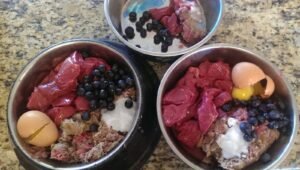
Photo: www.dogsnaturallymagazine.com on Google
- Look for a named animal protein, such as chicken or beef, as the very first ingredient on the label.
- Ensure the product meets the nutritional guidelines established by the AAFCO Dog Food Nutrient Profiles to guarantee balanced intake.
- Avoid foods that rely heavily on generic “meat meals” or unidentified animal by-products without specific species labels.
- Prioritize diets containing omega-3 fatty acids like DHA and EPA for skin, coat, and cognitive support.
- Consult your veterinarian before choosing specialized diets, such as grain-free or high-protein, to ensure they suit your dog.
Essential Macronutrients for Dogs
Dogs are facultative carnivores that thrive on a diet anchored in high-quality protein. Proteins provide the amino acids necessary for building tissues and enzymes. Fats serve as a concentrated energy source and are vital for absorbing fat-soluble vitamins. Carbohydrates, while not strictly required in large amounts, provide quick energy and fiber for digestive health.
| Nutrient Category | Primary Function | Ideal Source Examples |
|---|---|---|
| Protein | Muscle growth/repair | Dehydrated chicken, salmon, beef |
| Fats | Energy/cellular health | Fish oil, chicken fat, flaxseed |
| Carbohydrates | Digestive regularity | Brown rice, oats, sweet potatoes |
Understanding What Should Be In Dog Food
When evaluating a bag of kibble or canned food, the ingredient list is your most important tool. Ingredients are listed by weight, meaning the first five items constitute the bulk of the recipe. You should seek out whole foods rather than fillers. Whole food sources offer better digestibility, which means your dog absorbs more nutrients per meal.
Identifying Quality Protein Sources
Always look for specific protein sources. Instead of “meat meal,” look for “chicken meal” or “lamb meal.” These concentrated powders are excellent sources of protein, provided the origin is clearly stated. Avoid vague terms like “animal fat” or “meat by-products,” as these don’t specify which animal they came from, leaving the nutritional quality unpredictable.
The Role of Healthy Fats
Fats are more than just calories; they’re essential for brain function and immune response. Look for named fats like “salmon oil” or “sunflower oil.” These provide omega-3 and omega-6 fatty acids, which keep the skin hydrated and the coat shiny. Essential fatty acids are particularly important for puppies and senior dogs who may have increased inflammatory markers.
Vitamins and Mineral Requirements
Dogs require a specific spectrum of micronutrients to maintain metabolic processes. While whole ingredients provide many of these, high-quality commercial foods include a vitamin-mineral premix to ensure no gaps exist. Key minerals include calcium and phosphorus, which must be present in a specific ratio to support bone density.
Warning: Avoid over-supplementing your dog’s diet with calcium or vitamins without veterinary guidance, as excessive intake can lead to skeletal deformities or organ toxicity.
Ingredients to Avoid or Limit
Not every ingredient found in dog food is beneficial. Some are included simply to reduce costs or improve shelf life. Identifying these helps you filter out lower-quality products that may cause sensitivities or long-term health issues.
- Artificial Preservatives: Look for natural alternatives like mixed tocopherols (Vitamin E) instead of BHA or BHT.
- Artificial Colors: Dogs don’t care about the color of their food; dyes like Red 40 are purely for human aesthetic preference.
- Excessive Fillers: Corn gluten meal or soy hulls often serve as cheap protein boosters that lack the biological value of animal tissue.
Comparing Dry and Wet Food
The choice between wet and dry food often comes down to budget and your dog’s personal preference. Wet food has higher moisture content, which is excellent for dogs that don’t drink enough water, while dry food is convenient and often helps remove mild plaque buildup.
| Feature | Dry Kibble | Wet Canned Food |
|---|---|---|
| Moisture Content | 5-10% | 70-80% |
| Convenience | High | Moderate |
| Cost Efficiency | High | Low |
| Palatability | Moderate | High |
Proactive Nutrition for Life Stages
Puppies, adults, and seniors have vastly different metabolic needs. A puppy requires higher levels of protein and calcium for growth, while a senior dog typically needs lower calories to prevent obesity and higher antioxidants to support aging joints. Life stage formulation is critical; feeding a puppy diet to a sedentary senior dog can lead to rapid weight gain and joint stress.
Frequently Asked Questions
Is grain-free food better for dogs?
Grain-free diets are only necessary for dogs with medically diagnosed grain allergies. For the vast majority of dogs, whole grains like brown rice, barley, and oats provide excellent energy, fiber, and essential nutrients. Unless your veterinarian specifically recommends a grain-free diet to manage a health condition, there’s no biological evidence suggesting that grains are harmful to healthy dogs.
How do I read the label?
Focus on the first five ingredients and the guaranteed analysis panel. The ingredient list tells you what is inside, while the guaranteed analysis provides the minimum and maximum percentages of protein, fat, fiber, and moisture. Ensure the label includes an AAFCO statement confirming the food is complete and balanced for your dog’s specific life stage or size.
Are by-products safe to feed?
High-quality by-products, such as organ meats (liver, heart, kidneys), are actually nutrient-dense and highly beneficial for dogs. They provide essential vitamins and minerals that are often missing from muscle meat alone. The concern arises only when the by-product source is unidentified or processed in a way that reduces its digestibility and overall nutritional value.
How much food should I provide?
Feeding amounts depend on your dog’s weight, activity level, and metabolism. Use the guidelines on the packaging as a starting point, but adjust based on your dog’s body condition. You should be able to feel your dog’s ribs without excess fat covering them. If your dog is gaining weight, reduce the portion size slightly or increase daily exercise.
Can I mix wet and dry food?
Yes, mixing wet and dry food is a great way to improve palatability and hydration. When mixing, simply adjust the portions of each to ensure you don’t exceed your dog’s total daily caloric requirement. This approach allows you to benefit from the convenience of kibble while providing the variety and extra moisture that many dogs find more satisfying during mealtimes.
Review your dog’s current food label today against these standards to see if a switch is necessary. If you decide to change their diet, do so gradually over seven to ten days to prevent digestive upset. Transitioning slowly by mixing increasing amounts of the new food into the old will ensure your dog remains happy and healthy during the change.