
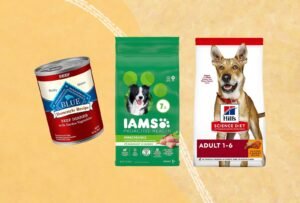
Purina Pro Plan is currently the most popular dog food in the United States by total annual sales volume. This ranking reflects consistent consumer demand across specialized retail channels, though popularity varies significantly based on specific regional distribution and local grocery store inventory levels.
Most popular dog food choices
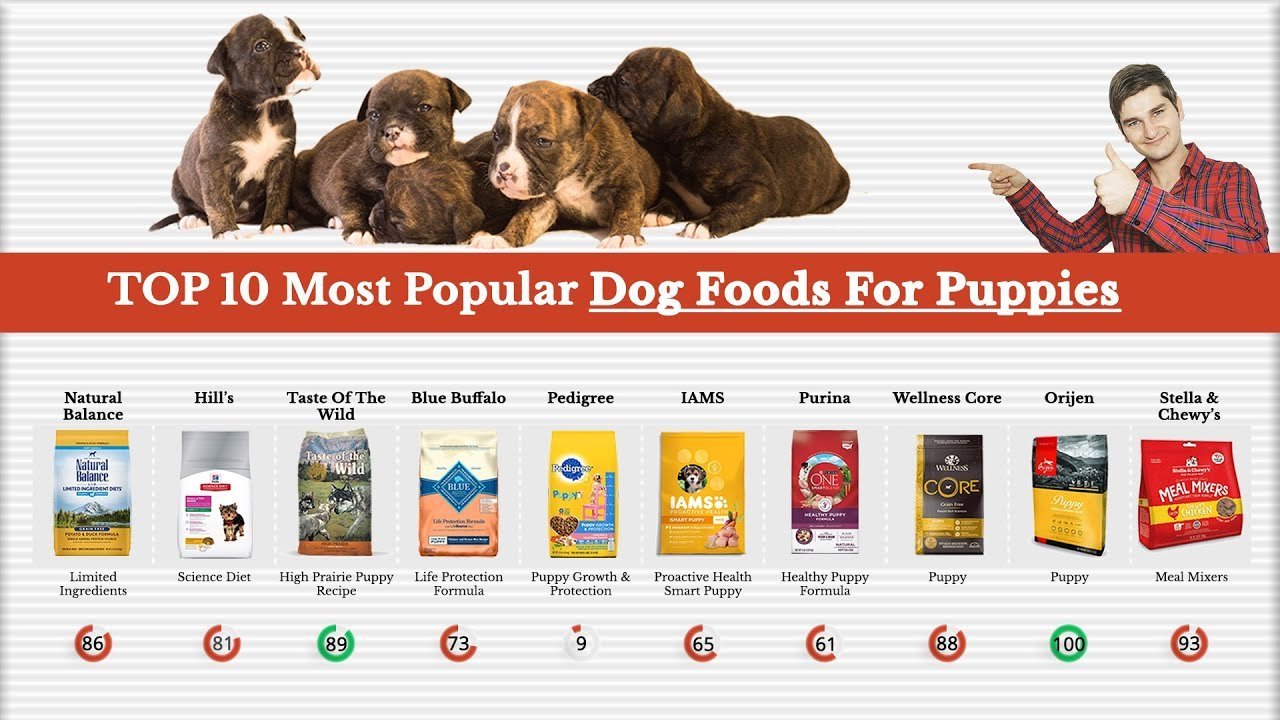
These brands represent the highest volume of sales across major pet retailers and veterinary clinics. Market share fluctuates based on new product launches and supply chain availability in your local area.
- Purina Pro Plan: Often cited as the top choice for performance and life-stage specific nutrition in clinical settings.
- Hill’s Science Diet: Widely recommended by veterinarians for specific health needs and long-term maintenance.
- Royal Canin: Known for its breed-specific formulas and digestive health support for sensitive dogs.
- Blue Buffalo: A primary leader in the premium “natural” segment found in most large grocery chains.
- Pedigree: Remains a top-selling brand in the mass-market grocery category due to wide accessibility and competitive pricing.
Why Popularity Trends Shift
The popularity of specific dog food brands is driven by a combination of veterinary endorsement, ingredient marketing, and broad retail distribution. When a brand gains a reputation for reliability, it often becomes a staple in households that prioritize consistent quality over lower costs. Large manufacturers like Nestlé Purina invest heavily in research to align their formulas with the guidelines established by the Association of American Feed Control Officials, which sets the standards for complete and balanced nutrition in the United States.
Retail availability is the primary factor that moves a brand from a niche product to a market leader. If a food is available in every major supermarket, it will naturally see higher sales volume than a boutique brand sold only in specialty pet stores. Consumer trust also plays a role; once a dog owner finds a food that their pet eats well and digests without issues, they rarely switch brands, creating a long-term loyalty cycle for major manufacturers.
When Market Leaders Are Not Right
A brand’s popularity doesn’t mean it’s the best match for every individual dog. Factors such as age, activity level, and specific medical history change your nutritional requirements.
| Situation | What changes | What to do instead |
|---|---|---|
| Puppy growth | Calorie needs increase | Choose puppy-specific formulas |
| Senior dogs | Metabolic rate slows | Select senior-labeled diets |
| Food allergies | Protein sources trigger | Consult vet for hydrolyzed |
| High activity | Energy output rises | Use high-protein working diets |
| Weight control | Calorie density matters | Pick low-fat weight management |
Steps to Select the Right Food
- Check the bag for an AAFCO statement confirming it is “complete and balanced” for your dog’s specific life stage.
- Review the first three ingredients to ensure a high-quality protein source, such as chicken, beef, or fish, is listed.
- Compare the guaranteed analysis on the label to ensure the protein and fat percentages match your dog’s current activity level.
- Transition your dog to the new food slowly over 7 to 10 days by mixing increasing amounts of new food into the old.
- Monitor your dog’s stool consistency and skin health during the transition; loose stools often indicate the food isn’t a good fit.
- Consult your veterinarian before changing diets if your dog has a known health condition or is currently on a prescription food.
Mistakes That Ruin Nutrition
- Switching too fast: Changing brands overnight often leads to digestive upset, vomiting, or diarrhea in sensitive dogs.
- Ignoring life stages: Feeding an adult formula to a growing puppy can lead to skeletal development issues and nutrient deficiencies.
- Overfeeding: Following the “suggested” range on the bag without adjusting for your dog’s actual activity level leads to rapid weight gain.
- Relying on marketing claims: Assuming “natural” or “holistic” labels mean a food is healthier can lead to choosing products that lack rigorous testing.
Frequently asked questions
How do I know if a dog food is high quality?
A high-quality food carries an AAFCO statement on the label proving it passed feeding trials or meets nutrient profiles. Look for a named animal protein as the first ingredient and check that the manufacturer has a dedicated veterinary nutritionist on staff.
Is it safe to feed my dog the same food every day?
It’s safe and often recommended to feed the same consistent, nutritionally complete diet every day. Dogs have sensitive digestive systems, and frequent changes can cause gastrointestinal distress unless done gradually over a period of at least one week.
What is the most popular dog food for puppies?
Purina Pro Plan Puppy is frequently cited as the most popular choice among breeders and veterinarians. Always ensure the bag explicitly states it’s formulated for growth to provide the extra calcium and protein required for a developing puppy.
How much should I feed my dog daily?
The amount is determined by the calorie density of the food and your dog’s specific weight and activity level. Start with the range printed on the bag, then adjust the portion size by 10% if your dog begins to gain or lose weight.
Does it matter if the food is grain-free?
It doesn’t matter for most dogs, as grains provide essential nutrients and energy. Only choose grain-free diets if your veterinarian has diagnosed a specific grain allergy, as some research suggests potential links between certain diets and heart issues.
How long does a bag of dog food last?
A bag lasts based on your dog’s daily calorie requirement, which varies by weight and age. To calculate this, divide the total number of cups in the bag by the number of cups your dog consumes daily according to the label’s feeding chart.
Can I mix two different dog foods?
You can mix foods, but it’s generally unnecessary unless you’re transitioning between brands. If you choose to mix, ensure both foods are nutritionally complete and that you aren’t exceeding the total daily calorie limit for your dog’s weight.
Conclusion
Choosing the right food is a personal decision that should be based on your dog’s health needs rather than sales figures alone. Always monitor your dog’s weight and energy levels to ensure the diet you select continues to support their long-term well-being.