

Providing a high-quality commercial diet that meets the specific nutritional standards set by your country’s veterinary associations is the most balanced approach to determining the healthiest food for your dog. These diets are formulated to provide a precise mix of proteins, fats, vitamins, and minerals tailored to your pet’s life stage.
Veterinary nutrition relies on the principle of complete and balanced meals. If you choose a diet labeled “all life stages,” it must meet the requirements for both growth and maintenance. If you choose a specific life stage food, it’s only appropriate for that age group. The most common mistake is adding human table scraps to a complete diet, which creates an energy imbalance and often leads to obesity.
Choosing the healthiest food for your dog
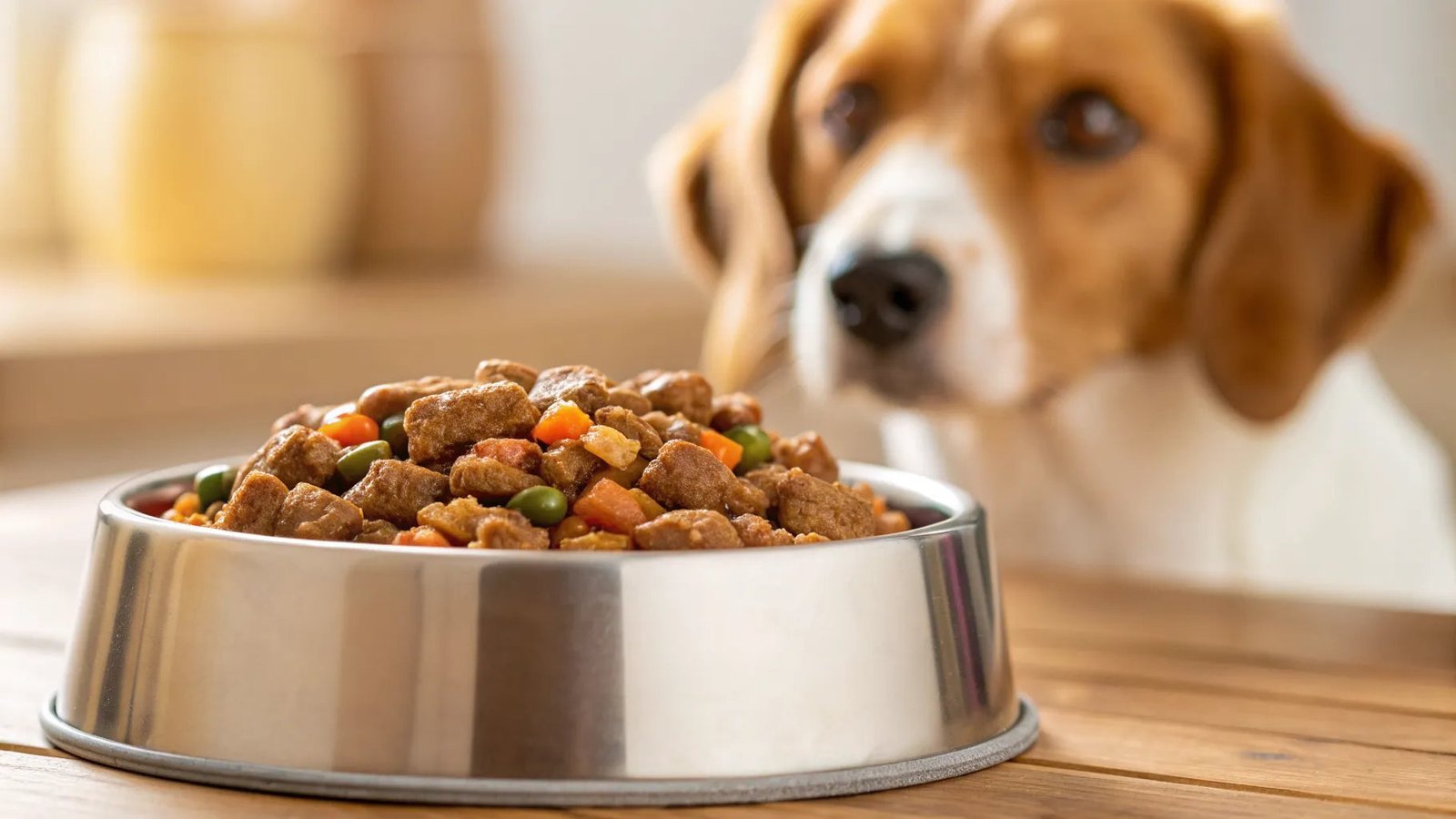
- Select a diet that carries an AAFCO (Association of American Feed Control Officials) statement on the label, which ensures the food has undergone nutritional testing or formulation analysis.
- Calculate the daily caloric intake based on your dog’s weight, age, and activity level to prevent excess weight gain.
- Transition your dog to a new food over a period of 7 to 10 days by slowly mixing in increasing amounts of the new food while decreasing the old.
- Keep fresh, clean water available at all times to support digestion and kidney function.
- Store dry kibble in its original bag inside a sealed container to keep it fresh and prevent fat oxidation.
- Consult your veterinarian for a personalized nutrition plan if your dog has allergies, a sensitive stomach, or a chronic health condition.
Tip: If your dog stops eating or shows signs of vomiting during a transition, return to the previous food and speak with your vet before trying a different brand.
Time Requirements for Nutrition
| Situation | How long | What changes it | What to watch for |
|---|---|---|---|
| Puppy growth | 12-18 months | Breed size | Rapid weight gain |
| Adult maintenance | Lifetime | Activity level | Body condition score |
| Senior support | 7+ years | Metabolism | Joint stiffness |
If your dog is losing weight or seems lethargic despite following the feeding guidelines, you must schedule a health check with a veterinarian to rule out underlying medical issues.
Assessing Your Dog’s Condition
Photo: realfoodrn.com on Google
You can determine if your dog’s diet is working by observing their physical appearance and energy levels. A healthy dog has a shiny coat, clear eyes, and a consistent, firm stool. You should be able to feel their ribs without seeing them, and there should be a visible waistline when viewed from above. If your dog is consistently hungry, becomes overweight, or has dull fur, the current diet may lack the necessary nutrients or contain too many calories for their lifestyle. If you see persistent skin irritation or digestive upset, this isn’t a do-it-yourself fix; contact a veterinarian to investigate potential food sensitivities or allergies.
Common Feeding Mistakes
- Feeding by volume rather than weight: Using a standard cup can lead to overfeeding, as different kibble sizes have different calorie counts per cup. Use a digital kitchen scale to measure the exact weight recommended by the manufacturer.
- Ignoring calorie density: Many people treat all dry foods as equal, but a high-performance food can have double the calories of a light formula. Always check the “kcal per cup” listed on the side of the bag.
- Adding excessive supplements: Most healthy dogs on a balanced diet don’t need extra vitamins, and adding them can cause toxicity or organ damage. Only provide supplements if they’re prescribed by your veterinarian to address a diagnosed deficiency.
Frequently asked questions
Photo: www.dogwoodtrailsah.com on Google
How much should I feed my dog daily?
The total amount depends on the caloric density of the food and your dog’s weight, usually expressed in kilocalories (kcal) per day. Check the feeding chart on the back of your specific bag for the starting range, then adjust based on your dog’s body condition score.
Is a raw food diet safe?
No, the American Veterinary Medical Association warns that feeding raw animal products carries a significant risk of bacterial contamination like Salmonella and Listeria. These pathogens can cause severe illness in both your dog and the humans in your household who handle the food or come into contact with the dog’s saliva.
How often should I change my dog’s food?
You don’t need to change your dog’s food unless they’re experiencing health issues or moving to a different life stage. Dogs generally thrive on consistency, and frequent changes can lead to digestive upset or picky eating habits if they learn to wait for something new.
What should I do if my dog is overweight?
Consult your veterinarian to determine an appropriate caloric reduction and exercise plan tailored to your dog’s specific weight loss needs. If they don’t lose weight, consult your veterinarian to rule out hormonal issues like hypothyroidism and to discuss a prescription weight-loss diet.
Can my dog eat human food?
Some human foods like plain cooked chicken or carrots are safe in small amounts, but many others like onions, garlic, grapes, and chocolate are toxic. Never feed your dog leftovers from your plate, as these are often high in fat and salt, which can cause pancreatitis or sodium poisoning.
How do I know if the food is high quality?
Look for a brand that employs board-certified veterinary nutritionists and conducts peer-reviewed feeding trials rather than just using laboratory analysis. A high-quality company will provide transparent information about their sourcing and quality control processes upon request.
Conclusion
Maintaining your dog’s health through diet is a long-term commitment that changes as they move from a puppy to a senior. Always prioritize consistency and professional advice over marketing claims or trends, ensuring that every meal supports their specific needs for energy and longevity.