
High-quality proteins, healthy fats, and essential minerals tailored to a dog’s life stage provide the most nutritious diet. Because no single ingredient works for every animal, you must choose a formula that meets the standards set by your national veterinary authorities.
Nutrient balance is the most important factor in canine health. A food might have expensive ingredients, but if the levels of calcium, phosphorus, or amino acids are wrong, it can cause long-term harm. The most common mistake owners make is choosing a diet based on marketing trends rather than the specific life stage of their dog, such as puppy, adult, or senior.
Choosing the most nutritious dog food
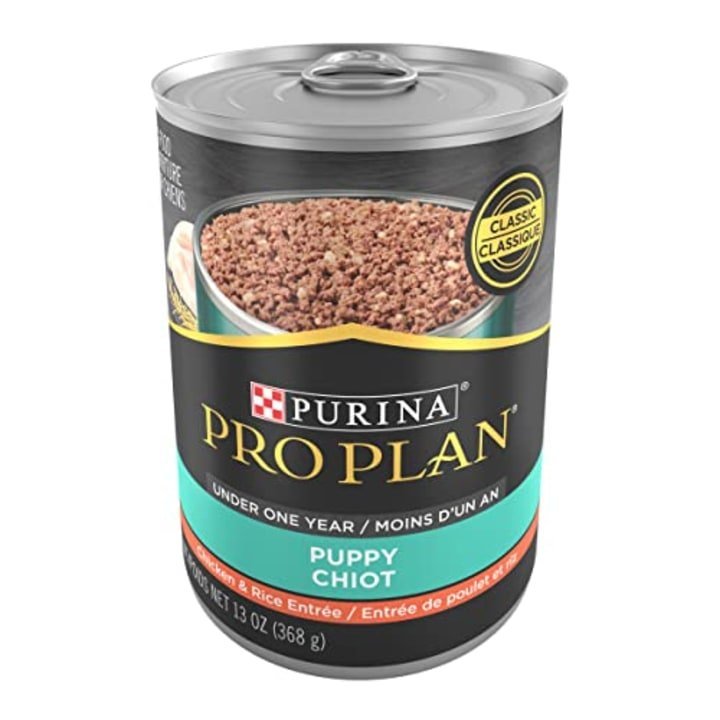
- Select a commercial dog food that carries an AAFCO statement on the label, which indicates the product is formulated to meet the nutritional standards established by AAFCO for your dog’s specific life stage.
- Check the ingredient list to ensure a named protein source, such as chicken, beef, or fish, is listed as one of the first two ingredients.
- Transition your dog to the new food slowly over 7 to 10 days by mixing increasing amounts of the new food with their old food to prevent digestive upset.
- Measure the daily portion size using a standard measuring cup rather than guessing, as overfeeding leads to obesity and joint issues.
- Consult your veterinarian before adding supplements or switching to a homemade diet, as they can assess if your dog has specific health needs that require a prescription formula.
Tip: If you notice your dog has loose stools during a food switch, slow the transition process down by staying at the current ratio for an extra 2 days.
Tip: Always provide fresh water alongside dry kibble, as the lower moisture content in dry food requires your dog to drink more to stay hydrated.
Time required for dietary changes
| Situation | How long | What changes it | What to watch for |
|---|---|---|---|
| Standard transition | 7–10 days | Digestive sensitivity | Vomiting or diarrhea |
| Puppy growth phase | 12–18 months | Breed size | Weight gain rate |
| Weight loss diet | 3–6 months | Starting body score | Energy levels |
If the transition takes longer than 14 days and your dog still shows signs of an upset stomach, contact your veterinarian to rule out food sensitivities. According to the Association of American Feed Control Officials, a diet must meet specific nutrient profiles to be labeled as complete and balanced for maintenance or growth.
Checking nutritional health
You can tell if a food is meeting your dog’s needs by observing their body condition, coat quality, and energy levels. A healthy dog should have a visible waist when viewed from above and ribs that you can feel but not see. Their coat should be shiny, not dull or brittle, and they should maintain a consistent, healthy weight. If a dog is constantly hungry or losing weight despite being fed the recommended amount, the food might be too low in calories or poorly digested. When signs like these appear, a professional body condition score performed by your vet is the final test for nutritional success.
Common feeding mistakes
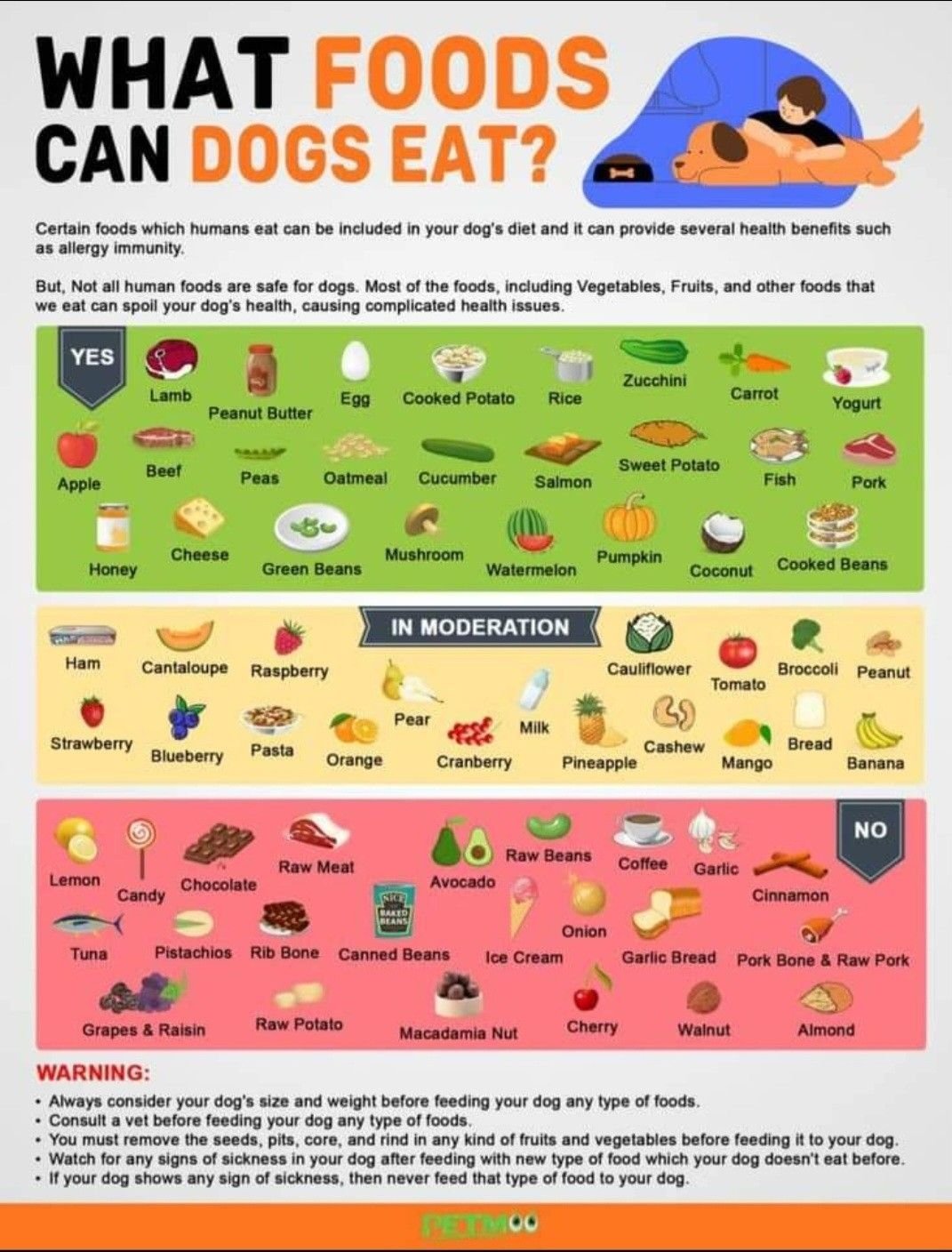
- Feeding human leftovers: This ruins the nutritional balance of their diet and often adds dangerous amounts of fat or salt that can trigger pancreatitis. Feed only dog-specific treats in moderation, keeping them under 10% of the total daily calorie intake.
- Ignoring life-stage labels: Giving puppy food to an adult dog often leads to rapid, unhealthy weight gain, while adult food may lack the calories and minerals a growing puppy needs. Always match the food label to your dog’s current age.
- Free-feeding: Leaving food out all day makes it impossible to track how much your dog eats, which is the primary cause of canine obesity. Always feed set meals at specific times to monitor their appetite and health.
Frequently asked questions
Can I feed my dog a raw food diet?
No, it isn’t recommended for most pet owners because raw diets carry a high risk of bacterial contamination like Salmonella. These pathogens can spread to human family members, and it’s difficult to ensure a raw diet provides the correct balance of calcium and minerals for a dog.
How much should I feed my dog per day?
The amount depends on your dog’s weight, age, and activity level, so check the feeding guide on the bag and adjust based on your dog’s body condition. A dog that’s highly active needs more calories than a sedentary senior, and you should adjust portions if your dog gains weight.
Is grain-free food better for dogs?
No, there’s no scientific evidence that grain-free food is more nutritious for the average healthy dog. Unless your veterinarian has diagnosed a specific grain allergy, high-quality grains provide essential fiber, vitamins, and energy that support overall digestive health and function.
How do I know if my dog has a food allergy?
Symptoms of a food allergy include chronic ear infections, itchy skin, and recurring digestive issues that don’t go away with standard treatment. If you suspect an allergy, your veterinarian must conduct a strict food elimination trial to identify the specific protein causing the reaction.
Why is my dog a picky eater?
Picky eating often stems from frequent table scraps or high-value treats that make plain kibble seem unappealing. Stop feeding human food entirely for two weeks and offer only their regular, balanced kibble at set mealtimes to reset their appetite.
Conclusion
Before you switch your pet’s meals, chat with your vet to ensure the new plan fits their unique health needs. They’ll help you spot the right balance of nutrients for your furry friend’s specific lifestyle. It’s a simple way to make sure they’re getting exactly what they need to thrive every day.