
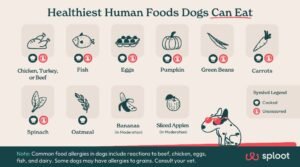
A healthy dog needs a balanced diet of proteins, fats, carbohydrates, vitamins, and minerals, so providing complete nutrition tailored to their life stage is the best way to determine what a dog should eat every day. Most adult dogs thrive on commercial food that meets the AAFCO standards for complete and balanced nutrition.
The most important factor is choosing a diet that matches your dog’s age, size, and activity level. If you have a puppy, they need more calories for growth; if you have a senior dog, they often need fewer calories to avoid weight gain. A common mistake is feeding table scraps, which can lead to obesity or toxic ingestions.
Feeding for Canine Health
Photo: www.houndsy.com on Google
- Select a high-quality commercial dog food that lists a specific protein source, such as chicken or beef, as the first ingredient.
- Calculate the daily portion size based on the feeding guide printed on the product packaging, which is based on the dog’s target weight.
- Split the total daily amount into two equal meals to help with digestion and prevent bloat, especially in large breeds.
- Measure each portion using a standard kitchen measuring cup to ensure you don’t overfeed, as even small extra amounts lead to weight gain.
- Provide constant access to fresh, clean water in a bowl that’s washed daily with soap and hot water. Tip: If you’re unsure about your dog’s ideal weight, ask your veterinarian to perform a body condition score check during your next visit. Tip: Never feed your dog common human foods like onions, garlic, grapes, or chocolate, as these are toxic to canines.
Meal Timing and Variations
| Situation | Feeding Frequency | What changes it | What to watch for |
|---|---|---|---|
| Adult dog | 2 times daily | Activity level | Weight gain or loss |
| Puppy (under 6 months) | 3-4 times daily | Rapid growth needs | Consistent energy levels |
| Senior dog | 2 times daily | Lower metabolism | Joint health and weight |
| Working dog | 2-3 times daily | High energy output | Muscle maintenance |
If your dog is eating significantly less or more than these guidelines suggest, consult your veterinarian to rule out underlying health issues. You can check the Association of American Feed Control Officials guidelines to understand how food labels verify nutritional adequacy for your pet.
Checking for Proper Nutrition

You can tell if a diet is working by observing your dog’s coat, energy, and stool quality. A healthy dog has a shiny coat, clear eyes, and maintains a steady weight. Their stool should be firm and consistent in color. If you notice dull fur, dry skin, or frequent digestive upsets, the current food may not be providing enough essential fatty acids or fiber. The ultimate test is a physical exam by a vet, who can confirm if your dog is receiving all necessary nutrients through a blood panel or physical assessment.
Common Feeding Mistakes
- Free-feeding all day: Leaving a full bowl out causes many dogs to overeat, which leads to obesity and associated joint pain. Use a scheduled feeding routine instead.
- Replacing meals with treats: Giving too many snacks reduces the dog’s appetite for their balanced meal, which creates nutritional gaps over time. Limit treats to no more than 10% of their total daily calories.
- Rapidly switching brands: Changing food brands overnight often causes severe diarrhea or vomiting because the dog’s gut bacteria can’t adapt. Mix a little of the new food with the old, increasing the ratio over 7 to 10 days.
Frequently asked questions
How much should a dog eat everyday?
The amount depends on your dog’s weight, age, and metabolism, so always follow the grams or cups listed on the specific food label. A typical adult dog requires a specific caloric intake based on their individual metabolism and activity level, which is best determined by consulting your veterinarian or following the feeding guidelines on the product label.
Is it safe to feed dogs human food?
No, most human foods aren’t formulated for canine digestion and many, such as onions or chocolate, are dangerous. Stick to dog-specific food to ensure they get the correct balance of nutrients without the risk of toxic ingredients or harmful additives that cause illness.
Can dogs eat the same food their whole life?
No, a dog’s nutritional needs change as they age, with puppies requiring higher protein and fat for growth compared to senior dogs. Always transition your dog to a life-stage appropriate food to support their changing health needs, such as joint support for older dogs or high-energy formulas for juniors.
Why does my dog not want to eat?
If your dog skips a meal, it might be a temporary mood, but if they refuse food for more than 24 hours, you must see a veterinarian. Loss of appetite is a primary symptom of many illnesses, dental pain, or infections that require professional medical treatment rather than home observation.
How often should I change my dog’s food?
You should only change your dog’s food if their life stage changes or if your veterinarian recommends a specific diet for a medical reason. There’s no benefit to rotating flavors for a dog, and frequent changes often lead to unnecessary digestive upset and sensitivity.
What happens if I overfeed my dog?
Overfeeding leads to obesity, which increases the risk of diabetes, heart disease, and severe joint arthritis in dogs. Keep your dog at a healthy weight by measuring every meal and cutting back the portion size immediately if you notice them gaining weight or losing their waistline.
Conclusion
Feeding a dog is about consistency and quality. By choosing a balanced food, measuring portions, and avoiding human snacks, you provide the best foundation for a long and healthy life. Always monitor your dog’s weight and behavior, and consult your veterinarian if you notice any changes in their appetite or energy.