
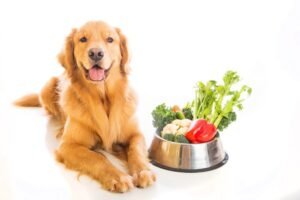
A balanced diet that meets the specific nutritional requirements set by the Association of American Feed Control Officials provides the healthiest food for dogs to eat.
Choosing the healthiest food for dogs

Choosing the right nutrition for your dog helps maintain its energy levels and long-term health. Keep these points in mind when evaluating your options:
- Look for an AAFCO statement on the label that confirms the food is nutritionally complete and balanced for your dog’s specific life stage.
- Prioritize foods where a named animal protein, such as chicken, beef, or fish, is listed as the first ingredient on the package.
- Avoid diets that rely heavily on fillers or generic “meat meal” without specifying the animal source, as these may lack consistent quality.
- Consult your veterinarian before choosing a specialized diet, such as grain-free or raw food, as these aren’t appropriate for every dog.
- Measure your dog’s daily intake using a standard kitchen scale to prevent obesity, which is a leading cause of preventable health issues in pets.
- Ensure constant access to fresh, clean water, as hydration is critical for the digestion and absorption of nutrients from any commercial diet.
Why Balanced Nutrition Matters
The biological requirement for a dog’s diet centers on the correct balance of amino acids, fatty acids, vitamins, and minerals. Dogs are omnivores, meaning they can thrive on a mix of animal proteins and plant-based nutrients. The primary goal of any high-quality food is to provide these nutrients in a form the dog can easily digest and utilize. If a food lacks these essential components, the dog may suffer from deficiencies that lead to poor coat quality, low energy, or weakened immune function. The Association of American Feed Control Officials provides the nutritional standards that manufacturers follow to ensure their products meet the minimum requirements for growth or maintenance. You should always check the label for this statement to ensure the manufacturer has formulated the food to meet the nutritional levels established by AAFCO.
Situations Requiring a Different Diet
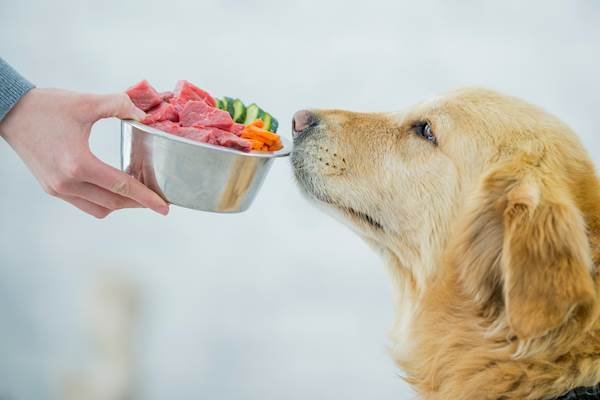
Your dog’s health needs change based on its age, activity level, and existing medical conditions.
| Situation | What changes | What to do instead |
|---|---|---|
| Puppyhood | Higher protein and fat | Use puppy-specific growth formulas |
| Senior years | Lower calorie density | Switch to senior-labeled diets |
| Food allergies | Protein source sensitivity | Use limited-ingredient hypoallergenic food |
| High activity | Increased caloric demand | Use performance-based working formulas |
| Kidney disease | Phosphorus and protein | Use prescription renal-support food |
How to Properly Manage Dog Feeding
- Read the back of the packaging to find the feeding guidelines, which offer a starting range for your dog’s weight.
- Use a standard measuring cup or kitchen scale to portion out the exact amount recommended for your dog’s current weight.
- Divide the total daily amount into two or three separate meals to help your dog maintain steady energy levels throughout the day.
- Monitor your dog’s body condition by feeling for ribs; you should be able to feel them easily without pressing hard.
- Adjust the portion size by 5% to 10% if your dog starts to gain or lose weight unexpectedly over two weeks.
- Transition to new food slowly over seven days by mixing increasing amounts of the new food with the old food.
Common Mistakes That Ruin Diet Quality
- Feeding human table scraps often leads to an unbalanced diet and unwanted weight gain, as these foods are rarely optimized for canine nutrition.
- Changing food brands too rapidly without a transition period frequently causes digestive upset, such as vomiting or diarrhea, in sensitive dogs.
- Ignoring the serving size on the bag forces the dog to consume excessive calories, which increases the risk of joint stress and diabetes.
- Allowing “free-feeding” or leaving a full bowl out all day makes it impossible to track how much your dog actually eats.
Frequently asked questions
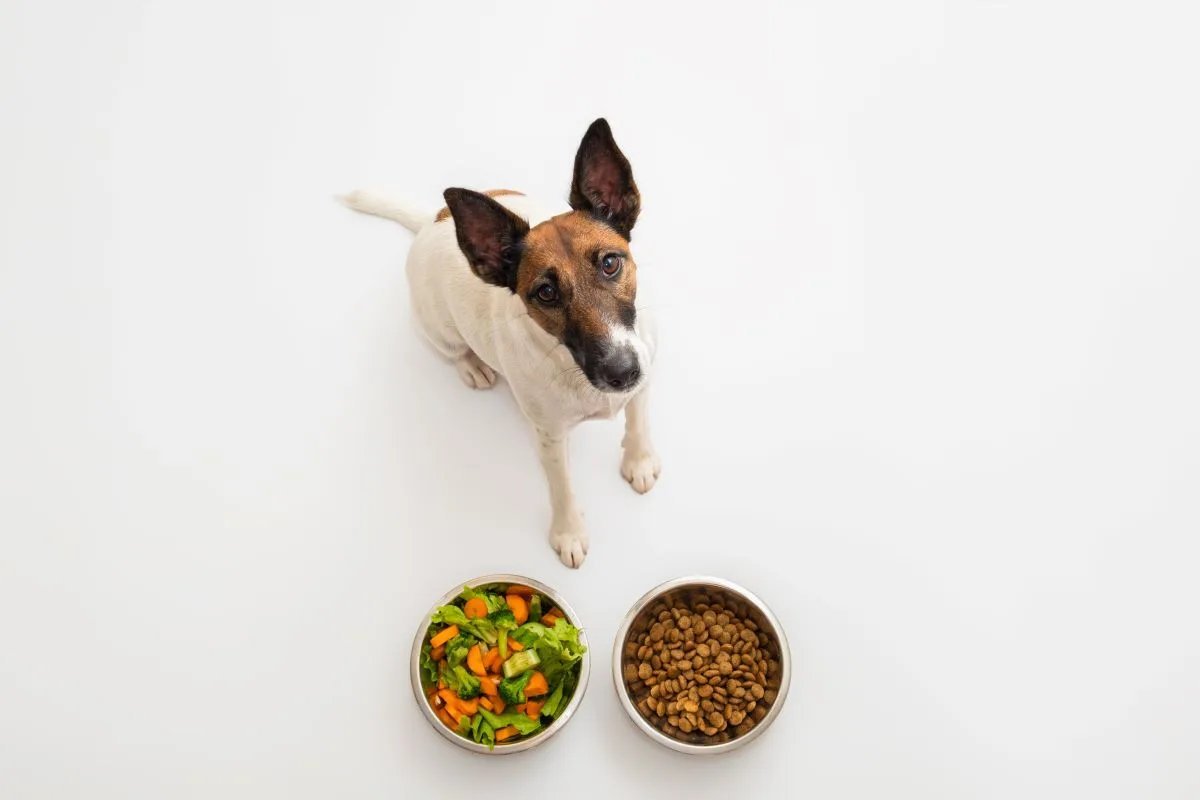
Can I feed my dog a raw food diet?
Raw food carries a high risk of bacterial contamination, such as Salmonella and Listeria, which can affect both the dog and the human household. If you choose this path, you must handle the meat with the same safety precautions as raw poultry for humans.
How much should I feed my dog each day?
The amount is determined by your dog’s weight, age, and activity level, and you should follow the specific chart printed on your chosen brand’s packaging. Adjust these numbers based on your veterinarian’s assessment of your dog’s body condition score.
Is grain-free food better for my dog?
Grain-free food isn’t scientifically proven to be healthier for the average dog, and it should only be used if your veterinarian has confirmed a specific grain allergy. Most dogs process grains like rice and oats efficiently as a source of energy.
How long does a bag of dog food stay fresh?
Dry food typically stays fresh for four to six weeks after opening if you keep the bag tightly sealed in a cool, dry place. Exposure to air and humidity causes the fats in the food to oxidize, which makes the nutrients degrade and the food taste stale.
What happens if I switch my dog’s food too fast?
A sudden switch usually results in gastrointestinal distress, including loose stools or an upset stomach, because the dog’s gut bacteria can’t adapt to the new ingredients instantly. Always use a seven-day transition period to mix the old and new foods gradually.
Does it matter if I feed my dog wet or dry food?
It doesn’t matter for nutritional health, as both forms can be equally balanced, but wet food is often more palatable for picky eaters. Dry food is generally more convenient for storage and may help reduce plaque buildup on teeth through mechanical abrasion.
Conclusion
The specific caloric needs of your dog vary based on its metabolism and daily exercise, so use the guidelines on the food label as a starting point and adjust based on your dog’s weight changes. Always consult with your veterinarian before making major changes to your dog’s diet, especially if your pet has existing health issues or is on medication.