
A good quality dog food is any balanced recipe that meets the nutrient profiles established by the Association of American Feed Control Officials. You should look for a statement on the label that confirms the diet is complete and balanced for your pet’s specific life stage.
What makes dog food high quality
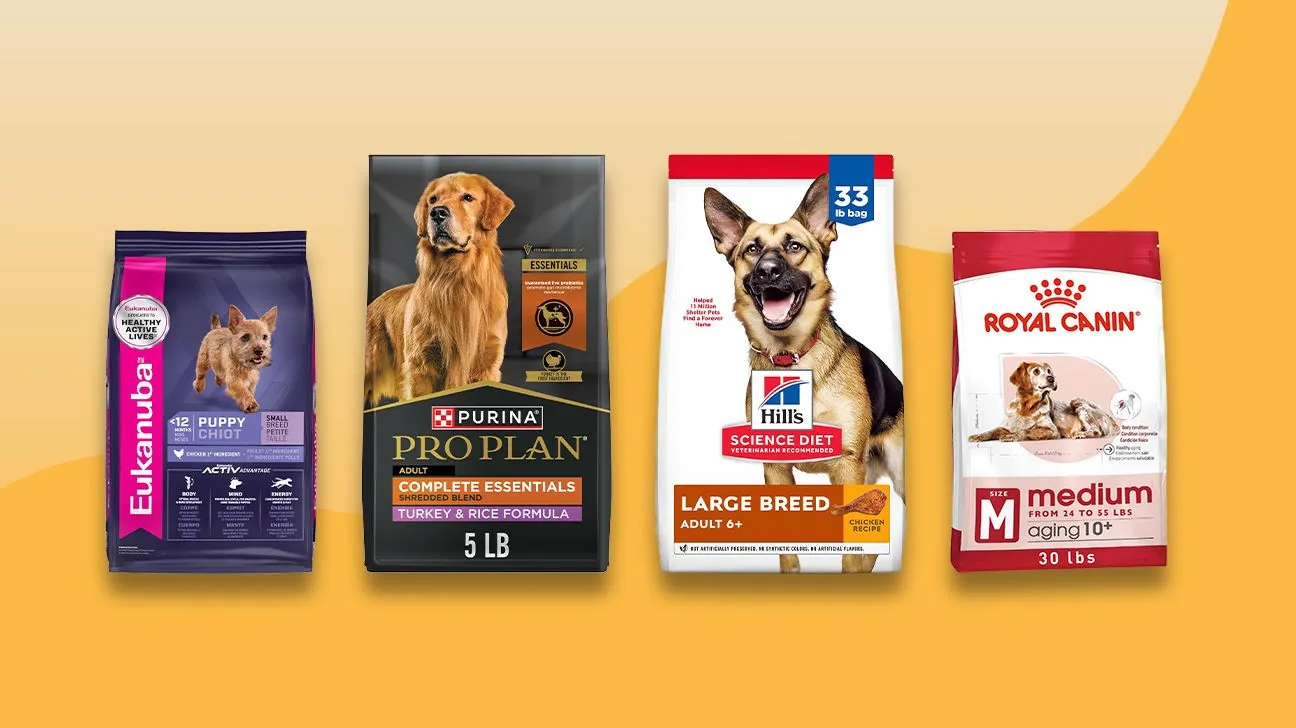
Choosing the right food requires looking past marketing claims on the front of the bag and focusing on the technical information on the back. A reliable brand provides transparency regarding their ingredient sourcing and manufacturing safety protocols.
- Check the back label for an AAFCO nutritional adequacy statement to ensure the food is formulated for growth, maintenance, or all life stages.
- Confirm the protein source is listed as the first ingredient, such as “deboned chicken” or “beef meal,” rather than a vague “meat byproduct.”
- Look for a guaranteed analysis that lists the minimum or maximum percentages of crude protein, fat, fiber, and moisture for the product.
- Prioritize products that have undergone feeding trials, which is the gold standard for proving a food supports long-term health in dogs.
- Ensure the manufacturer has a dedicated facility with robust quality control measures to prevent cross-contamination of ingredients.
Why ingredient lists matter
Providing a diet that lacks essential nutrients can lead to long-term health issues. The Association of American Feed Control Officials sets the standard for what constitutes a complete diet by defining the minimum and maximum levels of vitamins, minerals, and amino acids required for canine health. Following these guidelines ensures the nutrient profile supports muscle maintenance, coat health, and organ function. Foods not formulated to these standards may be intended only for supplemental feeding.
Adjusting for individual dog needs
Photo: www.thesprucepets.com on Google
Not every dog thrives on the same formula, as factors like activity level and age change the caloric requirement. The following table helps you determine if your current choice matches your dog’s lifestyle.
| Situation | What changes | What to do instead |
|---|---|---|
| High energy dog | Caloric density | Select performance or active formulas |
| Senior dog | Metabolic rate | Choose lower calorie weight management |
| Large breed puppy | Growth rate | Use specific large breed puppy food |
| Small breed dog | Kibble size | Pick small bite specific formulas |
| Food sensitivities | Ingredient list | Switch to limited ingredient diets |
Steps to select the best food
- Identify your dog’s current life stage, as puppies require more protein and fat than senior dogs to support rapid development.
- Consult your veterinarian to determine if your dog has specific health requirements, like a need for higher fiber or joint support.
- Read the ingredient label carefully to ensure there’s a named animal protein source in the first three ingredients listed.
- Verify the AAFCO statement on the packaging to confirm the food is balanced for the stage of life your dog is in.
- Check the manufacturer’s website to see if they provide information on their testing, including whether they conduct AAFCO feeding trials.
- Transition your dog slowly over 7 to 10 days by mixing the new food with the old to prevent digestive upset.
- Monitor your dog’s weight and coat condition for 4 weeks; if the dog loses weight or has dull fur, adjust the portion.
Common mistakes that ruin nutrition
- Ignoring the serving size instructions on the bag, which often leads to unintended weight gain or nutritional imbalances.
- Switching foods too quickly without a transition period, which frequently causes vomiting or diarrhea in sensitive dogs.
- Prioritizing “grain-free” labels without a medical reason, as this can result in missing out on beneficial fiber and nutrients.
- Buying food based on online marketing trends rather than checking for the essential AAFCO nutritional adequacy statement on the package.
Frequently asked questions
Can I mix two different dog food brands?
You can mix brands, but you must ensure both foods are nutritionally complete for your dog’s life stage. If you mix a complete food with a supplemental treat or topper, keep the supplement to under 10% of the total daily calories.
How long does a bag of food stay fresh?
Most dry dog food stays fresh for 4 to 6 weeks after opening if stored in a cool, dry place. Keep the food in its original bag inside an airtight container to prevent oxidation and to keep oils from going rancid.
Is expensive dog food always better?
Price doesn’t always equal quality, as some premium brands spend more on marketing than on rigorous scientific feeding trials. A high-quality food is defined by its compliance with AAFCO standards and the manufacturer’s transparency, not by the retail price.
What happens if my dog refuses to eat?
If your dog skips a meal, wait 12 to 24 hours to see if their appetite returns, but contact a veterinarian immediately if they stop drinking water. Sudden loss of appetite can be a sign of illness, dental pain, or an upset stomach from a recent diet change.
Does it matter if the food contains grains?
Grains are a healthy source of energy and fiber for most dogs unless a veterinarian has diagnosed a specific grain allergy. There’s no scientific evidence that a grain-free diet is superior for healthy dogs without documented medical conditions.
How do I know if the food is high quality?
The best indicator of quality is a clear AAFCO statement on the label and the manufacturer’s ability to provide proof of feeding trials. If this information is missing, choose a more transparent brand.
Can I feed my dog human food?
You can offer small amounts of plain, cooked human foods like carrots or lean chicken, but these should never exceed 10% of the daily intake. Never feed your dog onions, garlic, grapes, or chocolate, as these are toxic to dogs even in very small quantities.
Conclusion
Choosing the right food for your dog is a balance of checking for nutritional compliance and observing how your pet responds to the diet. Always prioritize the AAFCO statement as your baseline for safety, and consult your veterinarian if you notice any sudden changes in your dog’s energy, weight, or skin health.