

Providing high-quality protein, regular physical activity, and consistent veterinary care is the best way to support a dog.
What is good for your dog

Every dog requires a specific set of resources to thrive in a domestic environment. The following table outlines the primary components that contribute to a well-rounded lifestyle for your companion.
| Item Category | Primary Benefit | Common Example |
|---|---|---|
| Balanced Nutrition | Muscle and tissue maintenance | Life-stage specific kibble |
| Daily Exercise | Cardiovascular and joint health | Brisk 30-minute walk |
| Mental Enrichment | Cognitive stimulation and calm | Interactive treat puzzle |
| Preventive Care | Early disease detection | Annual wellness exam |
| Grooming Tools | Skin and coat health | Soft bristle brush |
Balanced Nutrition
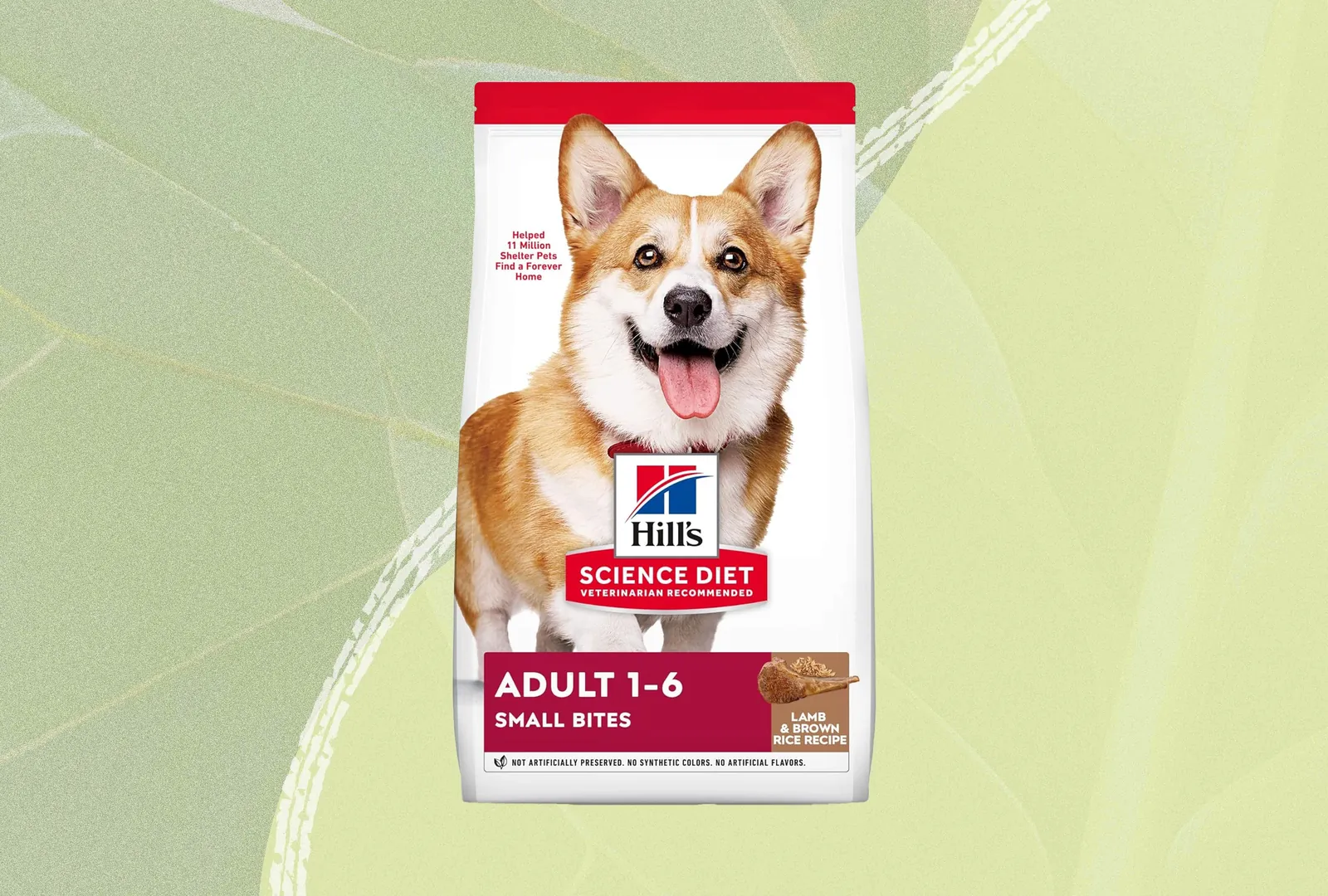
Balanced nutrition is vital for long-term health. A diet formulated by a veterinary nutritionist ensures the animal receives the correct ratio of amino acids, fats, and minerals.
- Supports healthy organ function and metabolic rate.
- Promotes a shiny coat and resilient skin barrier.
- Provides sustained energy levels for daily activities.
Always check the product label for an AAFCO (Association of American Feed Control Officials) statement, which confirms the food meets nutritional standards for dogs. Feed your dog the amount recommended on the packaging based on its current weight; if your dog is highly active, you may need to increase the portion slightly.
Daily Physical Exercise
Consistent movement prevents obesity and boredom-related behavioral issues. Exercise duration depends on the dog’s breed and age.
- Maintains healthy joint mobility and muscle tone.
- Regulates weight to prevent metabolic strain.
- Provides a safe outlet for natural instincts.
If your dog is a puppy, keep exercise sessions short and low-impact to protect developing growth plates. For an adult dog, aim for two 20-minute sessions of brisk walking or controlled play daily.
Mental Enrichment
Cognitive games prevent destructive behaviors.
- Reduces anxiety by providing a sense of purpose.
- Strengthens the bond through shared interactive play.
- Slows down rapid eaters using feeding puzzles.
Puzzles can increase frustration in dogs with severe separation anxiety. Consult a behaviorist if your dog becomes agitated.
Preventive Veterinary Care
Regular checkups allow for early identification of hidden conditions. A veterinarian can track changes in weight, blood work, and dental health over time.
- Ensures timely administration of core vaccinations.
- Provides professional monitoring for dental disease.
- Establishes a baseline for the dog’s normal health.
Waiting for symptoms increases treatment costs and complexity. Contact your clinic immediately if your dog shows sudden changes in appetite or lethargy.
Additional Health Essentials
- Clean Water: Always provide access to fresh water to prevent dehydration, which can lead to kidney strain or urinary issues.
- Safe Bedding: Provide a supportive, clean bed to protect joints, especially for senior dogs who struggle with hard surfaces.
- Identification: Keep a microchip and current collar tags on your pet to ensure a quick return if the animal is lost.
Choosing the Right Approach
Tailor care to your dog’s life stage and activity level. Prioritize structured exercise for puppies and joint-friendly movement for seniors. Consult your veterinarian before starting a new supplement or exercise program.
Frequently asked questions
How much water should a dog drink?
An average dog needs one ounce of water per pound of body weight daily. This varies based on the temperature, the dog’s activity level, and the moisture content of its food.
Is it safe to feed a dog human food?
Most human foods are unsafe, as many common ingredients like onions, garlic, and xylitol are toxic to dogs. Always check with your veterinarian before sharing any table scraps with your pet.
How often should a dog visit the vet?
Adult dogs should visit the vet once every 12 months for a wellness exam. Puppies and senior dogs typically require more frequent visits, often every three to six months for monitoring.
What happens if a dog misses a vaccine?
Missing a vaccine leaves the dog vulnerable to preventable diseases like parvovirus or rabies. Contact your clinic to schedule a catch-up booster as soon as you notice the missed date.
Does it matter if a dog sleeps all day?
A dog should sleep between 12 and 14 hours a day, but sudden changes in sleep patterns can indicate illness. If your dog is unusually sluggish, track its behavior for 24 hours.
How long can a dog be left alone?
Most adult dogs can be left alone for four to six hours at a time. This assumes the dog has been house-trained and has access to fresh water and a safe space.
Conclusion
Start by scheduling an annual wellness exam to establish a baseline for your pet’s health. You can expect your vet to provide a tailored plan for diet and exercise based on your dog’s breed. Stop and seek emergency care if you notice difficulty breathing or sudden collapse.
Related guides