
The most reliable choice for the best dog food to give your pet is a commercial diet that meets the nutritional standards set by the Association of American Feed Officials.
Choosing the right food depends entirely on your dog’s age, activity level, and health history. If your dog is a growing puppy, they need a formula designed for growth; if they’re a senior, they often require a lower-calorie, joint-supportive diet. The most common mistake is switching foods too quickly, which often leads to digestive upset. Always introduce a new diet gradually over seven to ten days to allow your dog’s stomach to adjust to the new ingredients.
Choosing the best food to give your dog
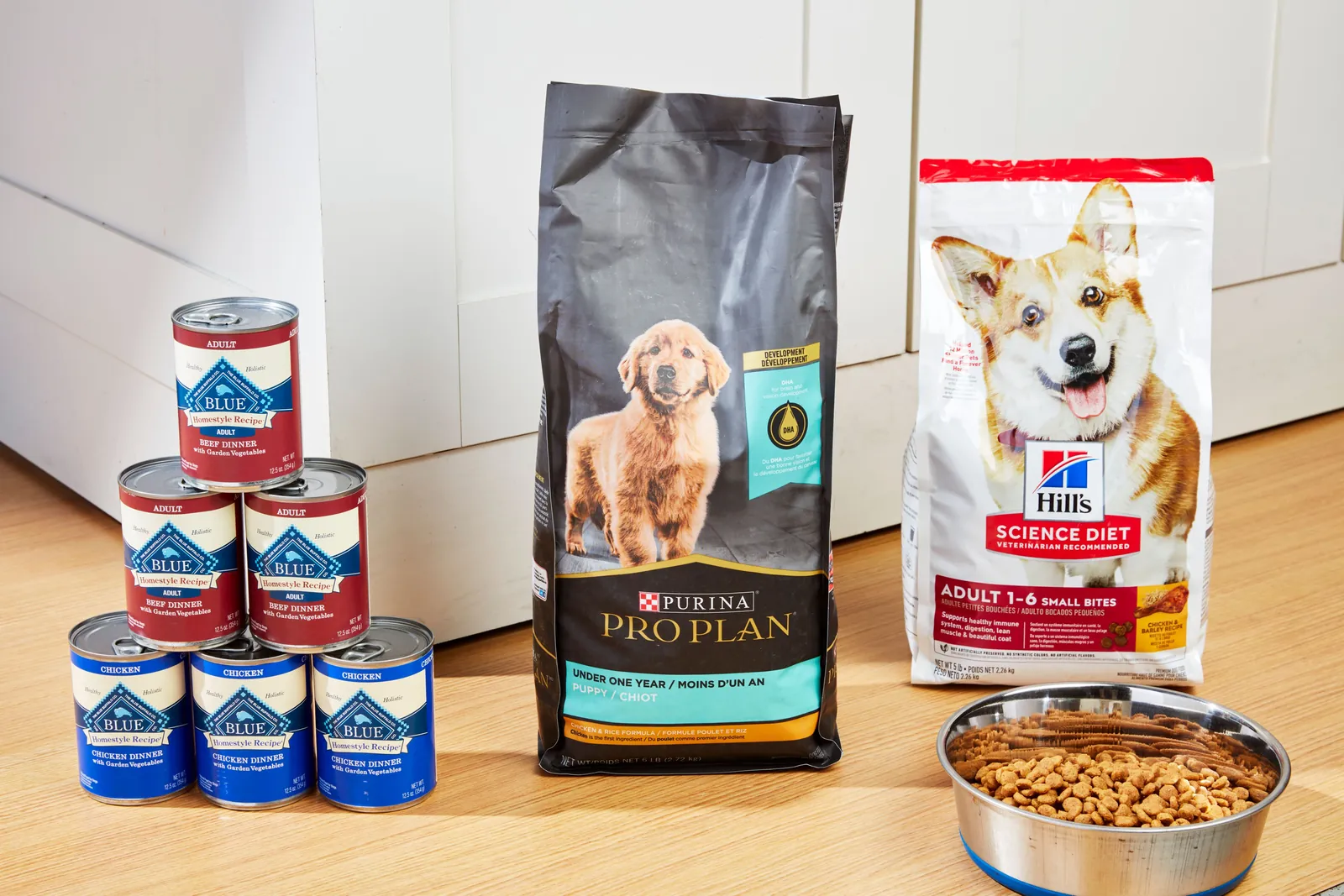
- Identify your dog’s life stage, as puppies require more protein and fat than adult or senior dogs.
- Check the bag for a nutritional adequacy statement from the Association of American Feed Officials to ensure it’s complete and balanced.
- Consult your veterinarian about specific health needs, such as grain-free options or sensitive skin formulas, before making a change.
- Measure the portion sizes using a standard measuring cup based on the feeding guidelines printed on the packaging.
- Monitor your dog’s body condition score to see if they’re gaining or losing weight, then adjust the amount fed by 5-10% as needed.
Tip: If you’re unsure about your dog’s ideal weight, ask your vet to show you how to feel their ribs, which should be palpable without a thick layer of fat.
Feeding schedules and transition times
Feeding your dog requires consistency to maintain healthy weight and digestion. While a puppy needs multiple small meals, an adult dog typically thrives on one or two feedings per day.
| Situation | Feeding Frequency | What changes it | What to watch for |
|---|---|---|---|
| Puppy (up to 6 months) | 3–4 times daily | Rapid growth needs | Bloating or lethargy |
| Adult (active) | 2 times daily | Daily exercise level | Maintaining lean muscle |
| Senior (less active) | 1–2 times daily | Slower metabolism | Unwanted weight gain |
If your dog refuses to eat for more than 24 hours, contact your veterinarian immediately, as this can indicate a serious health problem rather than a simple preference for a different brand.
Signs of a healthy diet
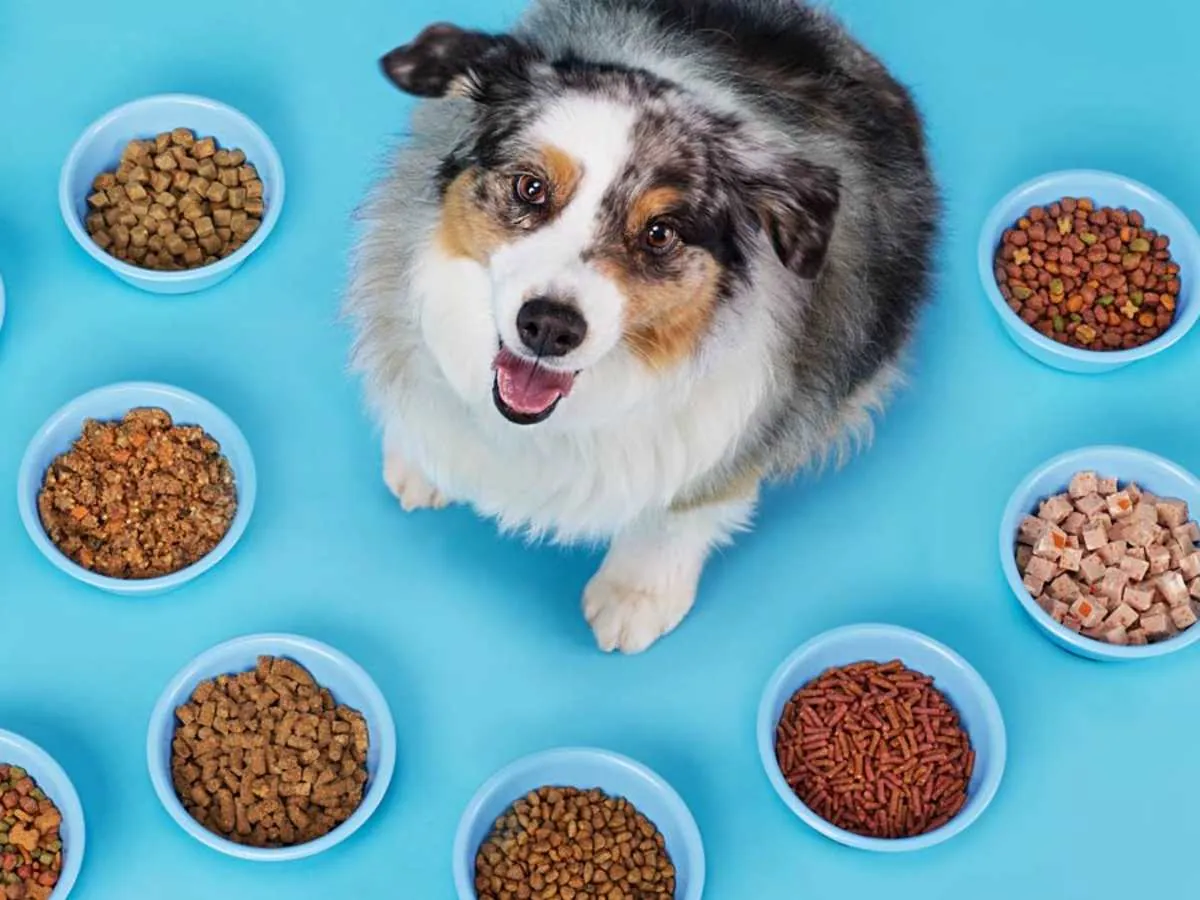
You can tell if a food is working by watching your dog’s physical condition over four to six weeks. Their coat should appear shiny, their stool should be firm and consistent, and they should maintain a stable weight. If you notice dull fur, chronic itching, or frequent loose stools, the current diet may not be providing the right balance of nutrients for their system. The final test is their energy level; a dog on a proper diet should have steady energy throughout the day without significant spikes or crashes.
Mistakes that ruin your dog’s health
- Feeding human food scraps: Adding table scraps often leads to obesity and can cause dangerous inflammation in the pancreas. Stick to dog-specific treats and keep human food in your own bowl to avoid these issues.
- Ignoring the calorie count: Many owners follow the serving size on the bag without realizing it’s a maximum limit, which leads to weight gain. Always calculate the calories based on your dog’s actual weight rather than just filling the bowl to the brim.
- Sudden dietary changes: Switching brands overnight causes severe diarrhea and vomiting because the gut bacteria can’t adapt to the new protein or fat sources. Always mix the old food with the new food over a full week to prevent this discomfort.
Frequently asked questions
How much should I feed my dog?
You should follow the weight-based guidelines on the package, but adjust the amount by 5-10% if your dog starts gaining or losing weight. Every dog has a different metabolism, so use the bag as a starting point and observe your dog’s body condition over two weeks to find their perfect portion.
Is grain-free food better for dogs?
No, grain-free food is only necessary for dogs with a medically diagnosed allergy to specific grains. For the vast majority of healthy dogs, grains provide essential fiber and energy, and there’s no scientific evidence that grain-free diets are superior for normal, healthy animals.
How do I know if my dog has an allergy?
You’ll see signs like chronic ear infections, constant licking of the paws, or recurring skin rashes. If you suspect an allergy, don’t try random brands; ask your veterinarian for a prescription elimination diet to identify the specific ingredient causing the reaction.
Can I mix wet and dry food?
Yes, mixing wet and dry food is safe and can help with hydration or pickiness. Just make sure to calculate the total calories from both portions so you don’t accidentally overfeed your dog, which is the most common cause of weight gain when mixing textures.
Why does my dog eat grass?
Your dog likely eats grass out of natural curiosity or because they enjoy the texture, rather than a nutritional deficiency. While usually harmless, keep an eye on them to ensure the grass isn’t treated with pesticides or fertilizers that could be toxic to their system.
How often should I change my dog’s food?
You don’t need to change your dog’s food at all if they’re healthy and doing well on their current brand. Dogs don’t get bored with the same food the way humans do, and keeping them on a consistent, high-quality diet is better for their digestive health.
Conclusion
Proper nutrition is the foundation of your dog’s long-term health and vitality. By focusing on life-stage appropriateness and monitoring their physical response to the food, you ensure they get exactly what they need to thrive. If you ever feel uncertain about your dog’s weight or nutritional needs, your veterinarian is the best resource to provide a plan tailored to your pet’s unique requirements.