
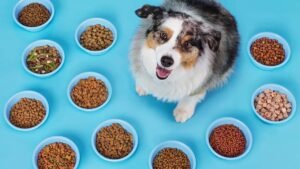
The most balanced and safe approach to determining the best food for dogs to eat involves selecting a nutritionally complete diet that meets the specific life stage and health requirements of your individual animal. There’s no single “best” brand for every dog.
Selecting the best food for dogs
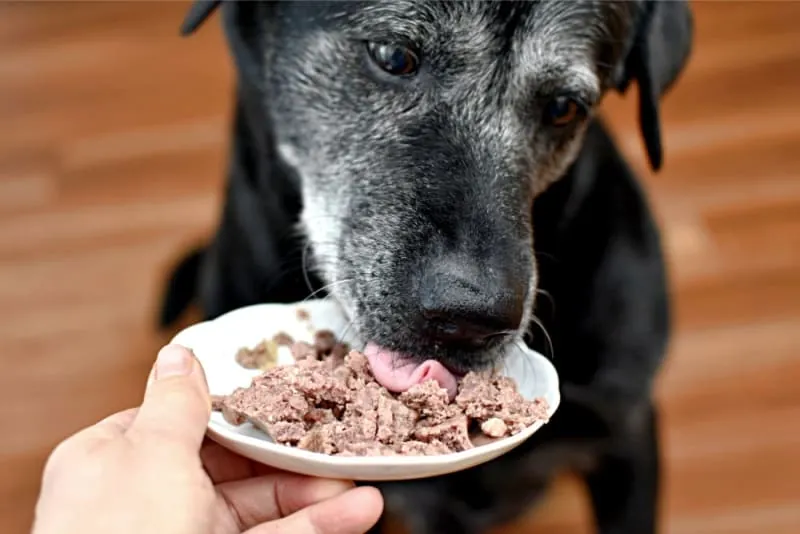
- Look for an AAFCO (Association of American Feed Control Officials) statement on the label to ensure the food provides a complete and balanced diet.
- Check the ingredient list to ensure a high-quality protein source, such as chicken, beef, or fish, is listed as the first item.
- Match the formula to your dog’s age; puppies, adults, and seniors have different protein and calorie needs for healthy development or maintenance.
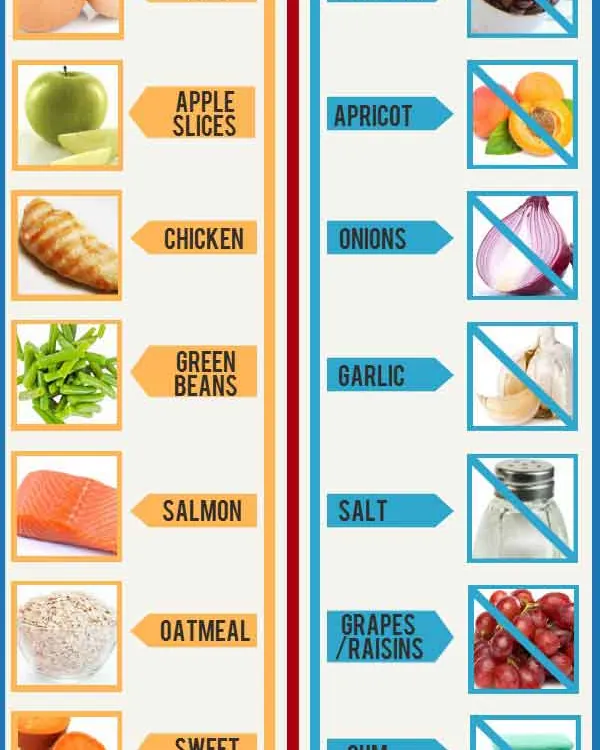
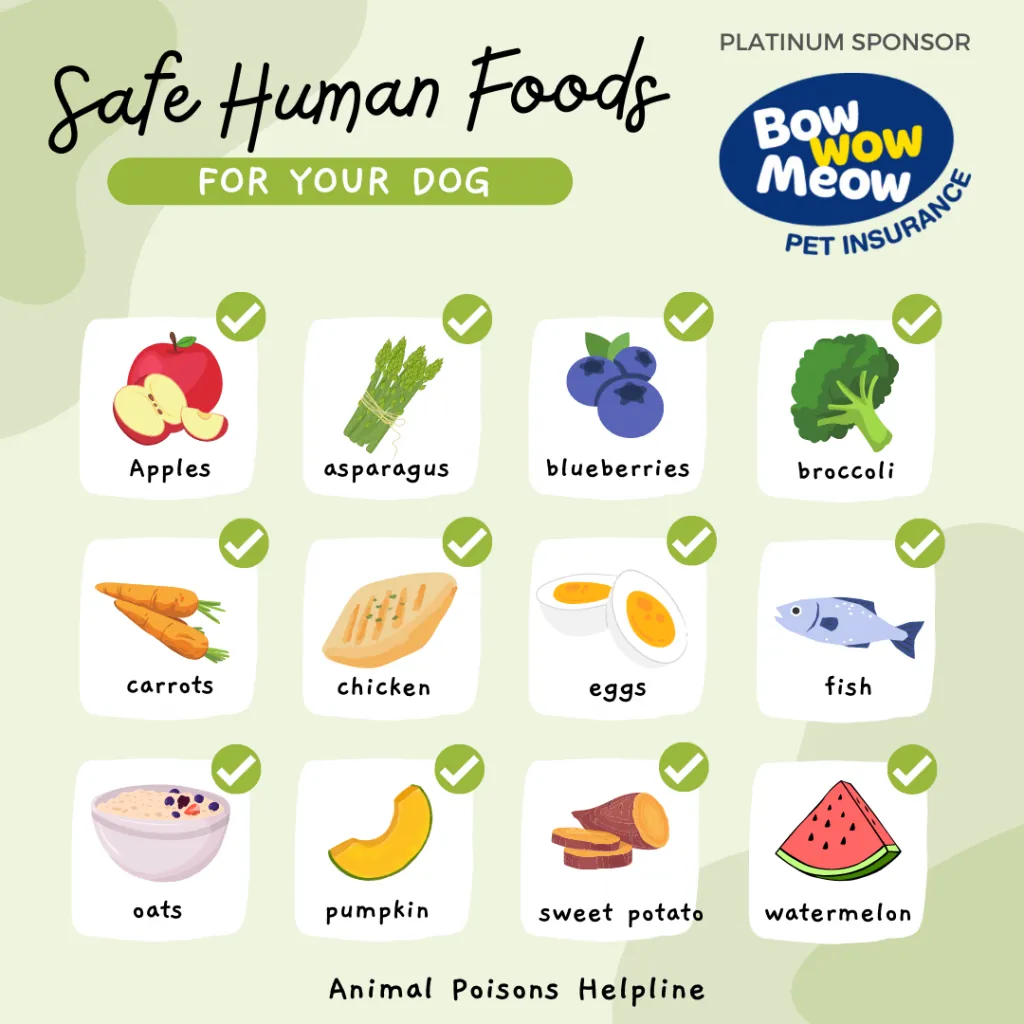
- Avoid feeding “human food” or table scraps regularly, as these can cause obesity or dangerous nutrient imbalances in a canine diet.
- Consult your veterinarian before starting a grain-free or raw diet, as these may not be appropriate for every dog’s medical history.
- Transition to new food slowly over 7 to 10 days by mixing increasing amounts of the new food with the old to prevent stomach upset.
Why nutritional balance matters
Scientific canine nutrition relies on precise ratios of proteins, fats, vitamins, and minerals to maintain organ function and coat health. A dog’s body isn’t designed to process the same variety of foods as a human. When a food is labeled as “complete and balanced,” it means the manufacturer has formulated the recipe to meet the minimum standards for all essential nutrients, often verified through the Association of American Feed Control Officials nutritional guidelines.
If you feed a diet that lacks these specific ratios, your dog may develop deficiencies or metabolic stress over time. While marketing often highlights exotic ingredients, the actual health value comes from the bioavailability of the nutrients. Your veterinarian is the best resource to determine if your dog needs a specific calorie count or a therapeutic diet based on blood work or chronic health conditions.
Adjusting for different dog needs
| Situation | What changes | What to do instead |
|---|---|---|
| Puppy | Growth requirements | Feed puppy-specific formulas |
| Senior | Metabolism slows | Reduce total daily calories |
| Overweight | Calorie density | Use weight management formulas |
| Allergies | Protein source | Try limited ingredient diets |
| High activity | Energy needs | Increase portion size slightly |
How to feed your dog properly
- Measure the exact amount of food using a standard kitchen measuring cup rather than guessing the portion size each meal.
- Follow the feeding guidelines printed on the package, but adjust the amount based on your dog’s actual body condition score.
- Divide the total daily amount into two equal meals to help with digestion and prevent bloat in larger breeds.
- Provide fresh, clean water in a stainless steel or ceramic bowl that you wash with soap and water daily.
- Monitor your dog’s weight every two weeks and adjust the portion by 5% to 10% if you notice weight gain or loss.
- Store dry kibble in an airtight container in a cool, dry place to prevent the fats in the food from going rancid.
Mistakes that ruin a dog’s diet
- Adding too many treats causes obesity, which shortens a dog’s lifespan and puts extra pressure on their joints.
- Changing brands too frequently causes digestive upset, as a dog’s gut microbiome needs time to adjust to new protein sources.
- Feeding from the table teaches bad habits and exposes the dog to toxic ingredients like onions, garlic, or xylitol.
- Ignoring expiration dates can lead to the consumption of moldy food, which can cause severe illness or organ damage.
Frequently asked questions
Can I feed my dog homemade food?
Yes, you can feed homemade food, but it must be formulated by a board-certified veterinary nutritionist to avoid dangerous nutrient deficiencies. Relying on online recipes without professional guidance often leads to long-term health problems for your pet.
How much should I feed my dog?
You should feed your dog the specific amount of calories recommended by your veterinarian based on their age, weight, and activity level. Packaging guidelines are only starting points, and individual metabolism varies significantly between different breeds and animals.
Is grain-free food better for dogs?
No, grain-free food isn’t inherently better unless your dog has been diagnosed with a specific grain allergy by a veterinarian. Most dogs digest grains like rice or oats easily, and these provide valuable fiber and energy for your pet.
How long does a bag of dog food last?
A bag of dog food lasts until the “best by” date if stored in a cool, dry place, but it should generally be consumed within 6 weeks of opening. Exposure to air and moisture causes the fats and vitamins to degrade, which reduces the nutritional value.
Is it safe to feed dogs raw meat?
No, feeding raw meat is generally not recommended because it carries a high risk of bacterial contamination like Salmonella and Listeria. These pathogens can make both your dog and the humans in your household very sick through cross-contamination.
What happens if I change my dog’s food too fast?
If you change food too fast, your dog will likely experience vomiting, diarrhea, or gas due to the sudden shift in digestive enzymes. Always mix the new food with the old over a period of at least one week.
Does the price of dog food matter?
Yes, the price often reflects the quality of the testing, ingredient sourcing, and the presence of feeding trials conducted by the manufacturer. While you don’t need the most expensive brand, avoid the cheapest options that lack consistent nutritional oversight.
Conclusion
Maintaining your dog’s health starts with consistency and professional guidance. Keep a close eye on their weight and energy levels, as these are the most reliable indicators of whether their diet is working for them. If you notice persistent changes in appetite or digestion, contact your veterinarian for advice rather than switching foods again.