
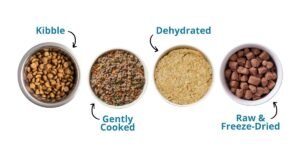
The healthiest option for a canine is a nutritionally complete diet formulated to meet the specific life stage and size of your pet, as choosing the best food for your dog depends on individual health needs, energy levels, and any diagnosed medical conditions.
Selecting the Right Nutrition

- Check the label for an AAFCO statement of nutritional adequacy, which confirms the food meets minimum standards for growth, maintenance, or all life stages.
- Match the calorie density to your dog’s activity level; active working breeds need higher caloric intake than sedentary senior pets.
- Consult your veterinarian before choosing specialized diets, such as grain-free or raw, as these aren’t necessary for most healthy animals.
- Monitor your pet’s body condition score; if ribs are easily felt but not visible, the current portion size is likely ideal for weight maintenance.
- Transition to new food gradually over 7 to 10 days by mixing increasing amounts of the new brand into the old to prevent digestive upset.
Why Nutritional Standards Matter
Commercial pet foods are regulated to ensure they provide a balance of proteins, fats, vitamins, and minerals essential for canine survival. Because dogs are omnivores, their bodies require a specific profile of amino acids and fatty acids that must be present in their daily intake. The Association of American Feed Control Officials establishes these nutrient profiles to prevent deficiencies that can lead to long-term illness.
If you choose a product that doesn’t meet these established standards, your dog may face risks like bone density loss, poor coat health, or immune system suppression. A high-quality diet provides consistent, measurable nutrition, whereas homemade meals often lack the precise balance of minerals required for long-term health. Always verify the manufacturer’s own quality control processes if you’re concerned about ingredient sourcing or safety protocols, as reputable brands maintain transparency regarding their testing and manufacturing facilities.
When Commercial Diets Are Not Enough
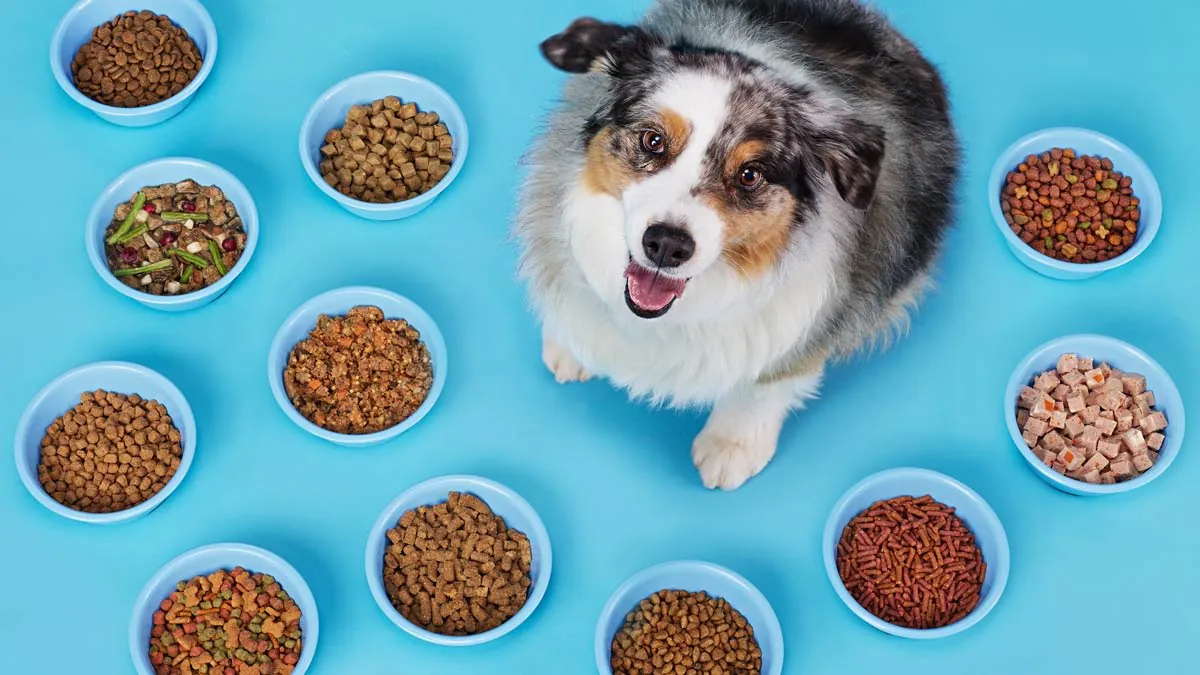
| Situation | What changes | What to do instead |
|---|---|---|
| Food allergies | Protein or grain source | Switch to hydrolyzed protein diets |
| Kidney disease | Phosphorus and protein levels | Use prescription renal support food |
| Puppy growth | Calorie and calcium density | Feed large-breed specific puppy formulas |
| Weight management | Daily caloric intake | Reduce portion size by 10% |
| Senior status | Joint support and fiber | Opt for senior-specific lower calorie |
Proper Feeding Practices
- Measure food using a standard measuring cup or kitchen scale for accuracy; “eyeballing” portions often leads to unintended weight gain.
- Follow the feeding guide on the packaging as a starting point, then adjust based on your dog’s actual weight changes.
- Divide the total daily amount into two or three meals to help with digestion and keep hunger levels steady all day.
- Keep fresh, clean water available at all times; hydration is just as important for digestion as the quality of the food.
- Store dry kibble in its original bag inside a sealed container to maintain freshness and prevent the fats from going rancid.
- Clean your dog’s food and water bowls daily with hot, soapy water to prevent the growth of harmful bacteria like Salmonella.
Common Mistakes That Ruin Health
- Feeding human table scraps frequently disrupts the nutritional balance of a complete diet and often leads to obesity.
- Ignoring the “best by” date on packaging can mean your dog is eating food with oxidized fats that have lost their nutritional value.
- Changing brands too quickly often causes severe diarrhea or vomiting, as the canine gut microbiome needs time to adjust to new ingredients.
- Overlooking the calorie content of treats means many owners accidentally provide 20% or more of a dog’s daily energy needs through snacks.
Frequently asked questions
How much should I feed my dog daily?
The total amount is determined by your dog’s weight, age, and activity level, typically ranging from 1/2 cup to 4 cups daily based on the calorie density of the specific brand. Check the manufacturer’s feeding chart on the bag for the exact starting weight range.
Is grain-free food better for dogs?
No, grain-free food isn’t inherently better for healthy dogs, as there’s no scientific evidence suggesting grains are harmful to the average pet. Only feed a grain-free diet if your veterinarian has confirmed a specific allergy to grains.
How often should I change my dog’s food brand?
You don’t need to change brands at all if your dog is healthy, maintaining a good weight, and has a shiny coat. Frequent switching can cause unnecessary digestive stress, so stick to a formula that works well for your pet’s digestion.
Can I feed my dog homemade food?
Yes, but you must use a recipe developed by a veterinary nutritionist to ensure it contains the correct ratios of minerals and vitamins. Without professional guidance, homemade diets are often dangerously deficient in essential nutrients like calcium and taurine.
What are the signs of a poor diet?
The most common signs include dull fur, excessive shedding, chronic digestive issues, lethargy, or unexplained weight gain. If your dog shows these symptoms, consult your veterinarian to determine if the current food is the cause or if there’s an underlying issue.
Does the price of dog food matter?
Yes, higher-priced foods often reflect better ingredient quality and more rigorous safety testing, but you can find excellent, safe, and nutritionally complete food at many different price points if you check the label.
Conclusion
Providing your dog with a consistent, high-quality diet is the most effective way to support their long-term health and vitality. Focus on selecting a food that meets your pet’s specific life stage and monitor their weight closely, as even minor adjustments in portion control can significantly impact their physical well-being over time.