

The best diet meets your pet’s life stage and carries an AAFCO nutritional adequacy statement. The best dog food is a complete, balanced commercial diet matched to your pet’s age, size, and health.
Best practices for the food you feed
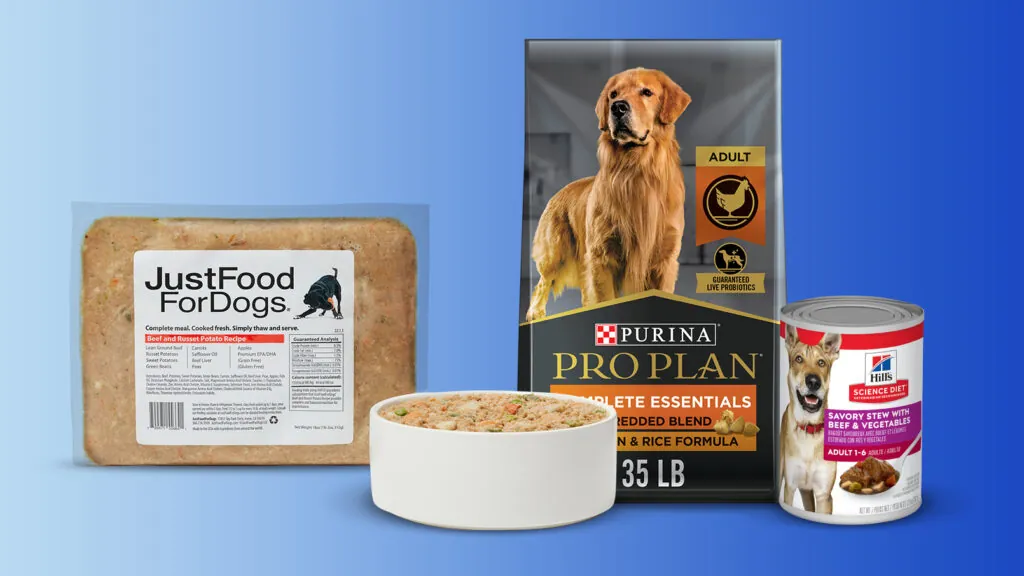
Finding a healthy diet means checking real labels rather than looking at pretty pictures on the bag. A good diet provides balanced daily nutrients without extra powders or toppers.
- Look for an AAFCO statement on the label that confirms the food provides complete and balanced nutrition for your dog’s specific life stage.
- Choose dry kibble if you want the most affordable, shelf-stable option, or pick canned wet food if your dog needs higher moisture for kidney or bladder health.
- Match the bag to your dog’s age, because puppies require at least 22% crude protein for growth while healthy adult dogs need a minimum of 18%.
- Pick large-breed puppy formulas for dogs projected to weigh over 50 pounds as adults to control calcium levels and prevent joint disease.
- Avoid raw meat diets if you have small children, elderly family members, or sick pets in your home due to bacterial contamination risks.
- Check the bag’s feeding chart using your dog’s ideal adult target weight, not their current heavy weight, to measure daily portions.
Why commercial diet standards protect your dog
Dogs require dozens of distinct nutrients, including amino acids, fatty acids, vitamins, and minerals. Lacking essential minerals like zinc or calcium causes weak bones, hair loss, or organ damage.
Commercial pet foods solve this problem by following strict nutrient profiles. The FDA animal food safety guidelines enforce rules ensuring ingredients are safe, cleanly made, and truthfully labeled on the package. Major manufacturers hire veterinary nutritionists to formulate recipes and run feeding trials.
Home-cooked diets often lack correct vitamin balances unless formulated by a board-certified vet. Premium brands also test for dangerous bacteria like Salmonella before shipping bags out.
When standard dog food is the wrong choice
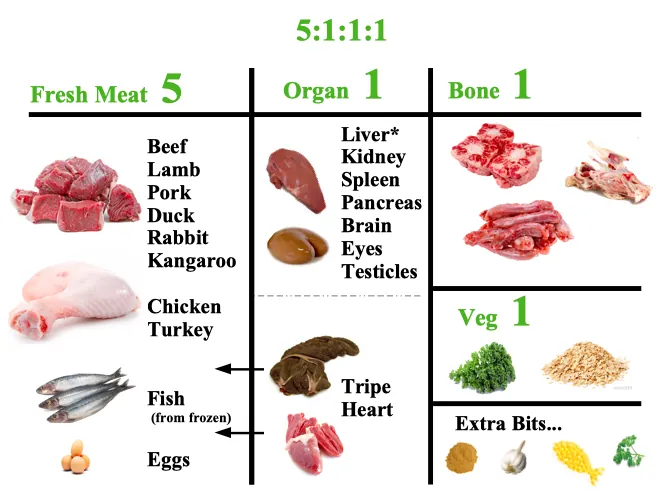
A standard bag of adult maintenance kibble doesn’t work for every pet. Certain ages, body shapes, and medical diagnoses require immediate changes to their daily meals.
| Situation | What changes | What to do instead |
|---|---|---|
| Puppy under 12 months | Needs higher protein and fat | Feed certified growth formula |
| Dog diagnosed with kidney failure | Can’t handle normal phosphorus | Feed prescription renal diet |
| Dog is overweight | Regular kibble provides excess calories | Switch to weight management food |
| Large breed puppy | Excess calcium causes bone defects | Buy large-breed puppy formula |
| Chronic itchy skin and ears | Possible food protein allergy | Use veterinary hydrolyzed protein |
| Senior dog with dental pain | Hard dry kibble hurts teeth | Switch to soft canned food |
How to switch your dog to a new diet
Transition your dog’s diet over a full week to prevent digestive upset.
- Measure your dog’s total daily food portion using a standard 8-ounce kitchen measuring cup based on the package weight chart.
- Mix 25% of the new diet with 75% of the old diet in their bowl for days 1 and 2.
- Check your dog’s stool firmness on day 2 to confirm their bowel movements remain solid and easy to pick up.
- Increase the mixture to 50% new food and 50% old food on days 3 and 4 of the transition.
- Watch your pet’s energy and skin for any sudden itching, face rubbing, or lethargy after eating the new ingredients.
- Mix 75% new diet with 25% old diet on days 5 and 6 if your dog’s stomach remains calm.
- Serve 100% of the new diet on day 7, confirming their stool remains normal and firm throughout the entire day.
Mistakes with dog food that harm your pet
Feeding your dog seems simple, but common daily habits can quietly damage your pet’s long-term health.
- Giving human table scraps adds unmeasured calories that cause rapid weight gain and trigger painful, life-threatening pancreatitis attacks.
- Leaving dry kibble open in warm garages lets fats turn rancid, which destroys vitamins and makes dogs vomit.
- Eyeballing daily portions with a coffee mug causes chronic overfeeding, leading to canine obesity and ruined hip joints.
- Switching food brands overnight shocks the digestive tract, resulting in painful gas, severe stomach cramps, and bloody diarrhea.
- Buying grain-free diets without a vet’s diagnosis can put your dog at risk of diet-associated heart conditions.
Frequently asked questions

Is wet food better than dry kibble for dogs?
No, both provide complete nutrition when labeled balanced by AAFCO standards. Wet food contains roughly 75% water, which helps hydration, while dry kibble costs much less per meal and stores easily for several weeks without spoiling.
How much food should I feed my dog every day?
Feed the exact cup amount printed on your food bag for your dog’s ideal weight, usually between 1 to 4 cups daily. Active dogs require the upper number, while calm house pets need the lower portion.
Can dogs live on an entirely grain-free diet safely?
Yes, but most dogs don’t need it unless tested positive for an allergy. The FDA investigated links between grain-free diets heavy in peas or lentils and canine dilated cardiomyopathy, a serious heart disease.
What should I do if my dog stops eating their kibble?
Check their mouth for broken teeth, remove uneaten food after 20 minutes, and call your vet if fasting lasts past 24 hours. Missing one meal is fine, but skipping multiple meals signals a real medical issue.
How long does an opened bag of dry dog food stay fresh?
Dry dog food stays fresh for 6 weeks after you open the factory seal. Keep the food inside its original bag, roll the top tightly closed, and store it inside a cool, dry plastic bin.
Is raw meat safe for my family dog to eat?
No, raw meat carries dangerous pathogens like Salmonella and Listeria that sicken pets and human handlers. The American Veterinary Medical Association formally advises pet owners against feeding raw animal proteins to domestic dogs.
Does my dog need extra vitamin supplements with their food?
No, healthy dogs eating an AAFCO-approved commercial diet get all required daily nutrients from their regular meals. Adding extra calcium or vitamin D can actually cause organ calcification and severe skeletal deformities in growing dogs.
The exact number of calories your pet requires changes based on their metabolism, age, and neuter status, which you can read directly off your specific food bag’s feeding chart or calculate with your veterinarian.
Conclusion
Choosing the right bowl of food doesn’t have to be overwhelming. If you’re still unsure about the perfect pick, don’t hesitate to give your veterinarian a quick call. They’ll help you find a high-quality option that’s tailored to your pup’s unique needs, so you can feel confident about what’s for dinner.