
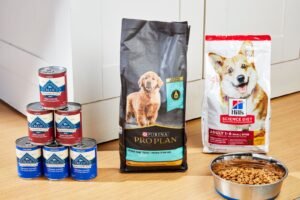
The healthiest option is a commercial diet that meets the nutritional standards set by the Association of American Feed Control Officials. When choosing the best food for your dog, you must prioritize products that list a high-quality animal protein as the first ingredient.
Best food to feed your dog
Every dog needs a balanced mix of proteins, fats, carbohydrates, vitamins, and minerals to stay healthy. AAFCO provides the model regulations for pet food to ensure that diets sold in the U.S. provide complete and balanced nutrition for specific life stages. If you choose a brand, look for an “AAFCO Statement” on the label. This confirms the food has been tested or formulated to meet these nutritional profiles.
- Protein: Essential for muscle growth and tissue repair.
- Fats: Provide energy and support skin and coat health.
- Fiber: Aids in digestion and maintains bowel regularity.
- Water: Necessary for every metabolic process in the body.
- Minerals: Calcium and phosphorus are vital for bone strength.
When Your Dog Needs a Different Diet
Not every dog thrives on the same standard kibble. Health conditions, age, and activity levels change the nutritional requirements for your pet.
| Situation | What changes | What to do instead |
|---|---|---|
| Puppy stage | Higher calorie needs | Feed specialized growth formula |
| Senior years | Lower calorie intake | Switch to senior-specific food |
| Food allergies | Protein source sensitivity | Consult vet for hydrolyzed diet |
| High activity | Increased energy demand | Use performance-based calorie dense |
| Obesity | Calorie restriction | Use weight management formulas |
Most owners mistake a dull coat or lethargy for simple aging. If your dog experiences these symptoms, check the fat-to-protein ratio on the label. A shift to a formula with higher Omega-3 fatty acids often restores vitality within three weeks.
However, avoid mixing brands to solve these issues. Rapidly switching proteins can trigger gastrointestinal distress. If you suspect an allergy, use a strict elimination diet for eight weeks. When in doubt, track your dog’s weight weekly. A loss or gain exceeding five percent of their body mass indicates that your current feeding strategy is failing.
Steps to Properly Feed Your Pet
- Read the back of the bag to find the feeding guide based on your dog’s current weight.
- Use a standard measuring cup, not a kitchen mug, to ensure you’re providing the correct portion size.
- Divide the daily total amount into two separate meals to help with digestion and prevent bloat in large breeds.
- Monitor your dog’s body condition score; if you can’t feel their ribs with light pressure, reduce the portion by 10%.
- Introduce any new food gradually over a seven-day period to prevent stomach upset, starting with 25% new food.
- Fresh water must be available at all times, as dry food contains very little moisture compared to a fresh diet.
Common Mistakes That Ruin Health
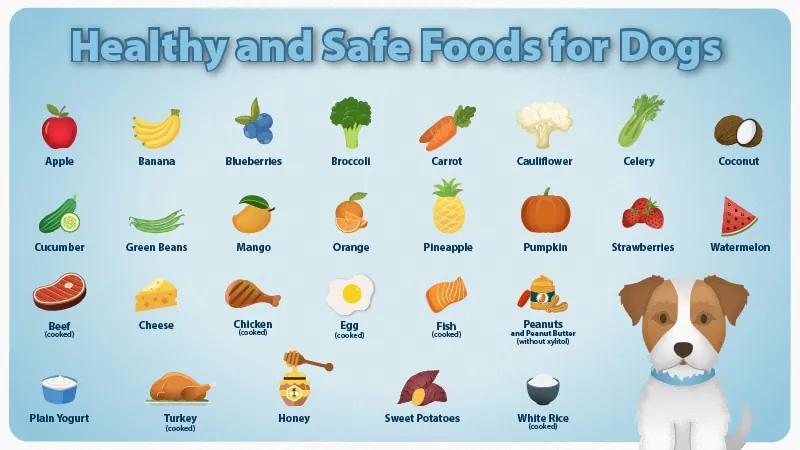
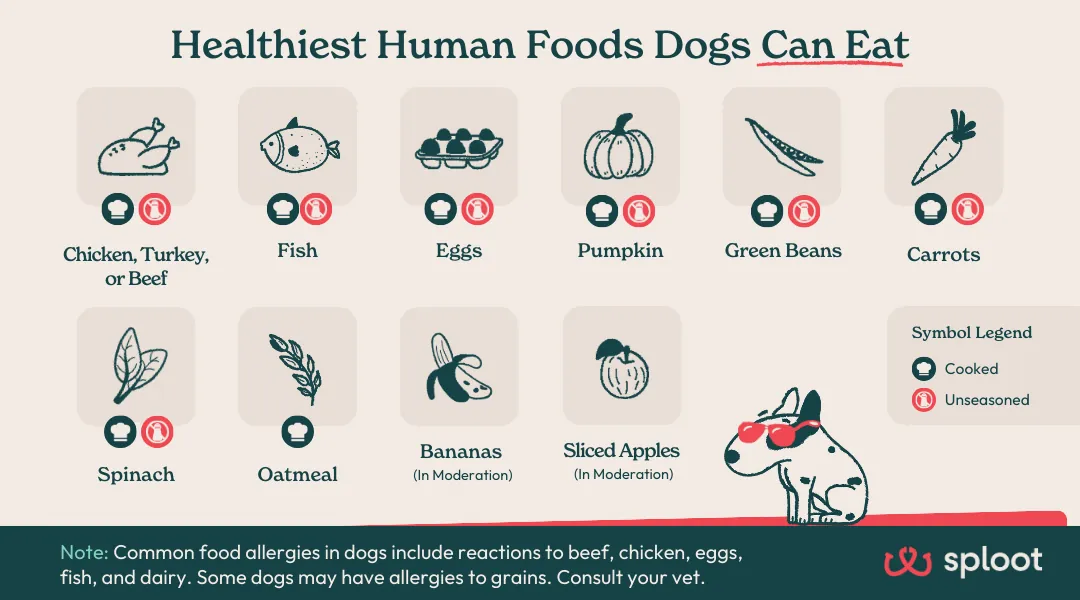
Feeding human table scraps often leads to obesity and can cause dangerous inflammation of the pancreas. Avoid feeding fatty meats or seasoned leftovers, as these can increase the risk of acute pancreatitis.
Adding too many supplements without vet guidance creates mineral imbalances that damage your dog’s internal organs. Excess calcium, for instance, can cause skeletal deformities in growing puppies. Always consult a professional before adding powders to a balanced commercial diet.
Free-feeding throughout the day makes it impossible to track how much your dog actually eats, leading to overconsumption. Use a measured cup twice daily instead. If your dog leaves food behind, reduce the portion size by ten percent for the next meal.
Switching food brands too quickly causes severe diarrhea and vomiting. Transition slowly over seven days by mixing increasing amounts of the new food into the old.
Frequently asked questions
Is grain-free food better for dogs?
No, grain-free food isn’t inherently better for most dogs unless they have a diagnosed grain allergy. Grains provide essential nutrients and fiber, so unless your veterinarian specifically recommends a grain-free diet for a medical reason, standard formulas are generally safer.
How much should I feed my dog daily?
You should feed your dog based on the calorie density of the specific food and their current body weight. Check the manufacturer’s feeding chart on the bag, as the amount varies significantly depending on the calorie content per cup of that specific brand.
Can I feed my dog raw meat?
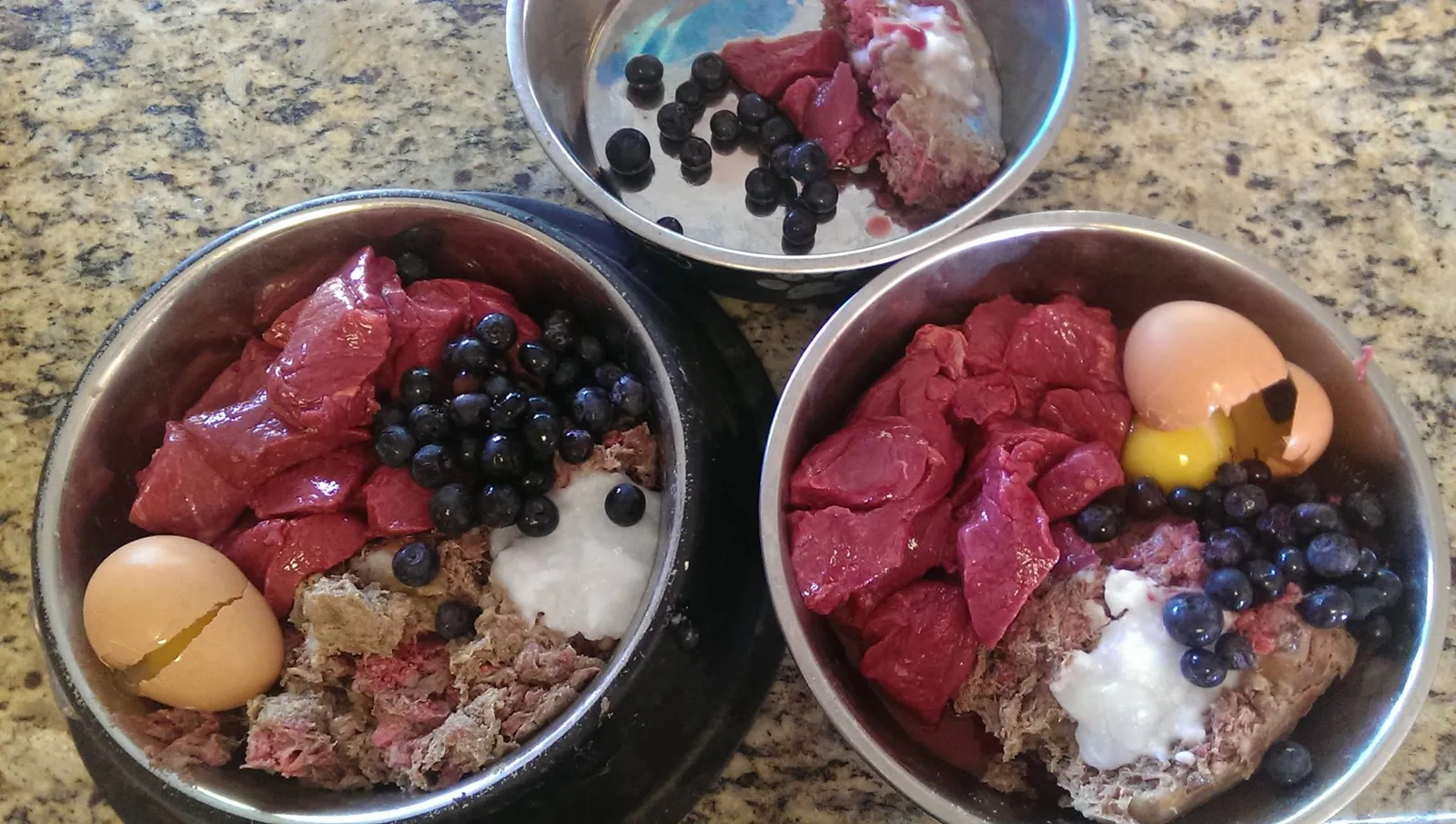
Feeding raw meat carries significant risks of bacterial contamination, such as Salmonella and Listeria, which can infect both your dog and your family. Most veterinary organizations advise against raw diets due to these safety concerns and the difficulty of balancing nutrients.
How often should I change my dog’s food?
You should only change your dog’s food when their life stage changes or if a veterinarian recommends it for a health issue. Constant rotation of brands can lead to digestive upset, so consistency is the best approach for long-term gut health.
What happens if I overfeed my dog?
Overfeeding leads to obesity, which significantly increases the risk of joint issues, diabetes, and heart disease. If you notice weight gain, reduce the portion size by 5% to 10% and increase the duration of daily exercise until they return to a healthy weight.
Does the price of dog food matter?
Quality control and nutritional testing matter more than price. Look for brands that employ veterinary nutritionists and conduct feeding trials, as these companies invest heavily in product safety. While premium ingredients are beneficial, rigorous testing remains the most reliable indicator of a brand’s commitment to your pet’s long-term health.
Conclusion
Every dog has unique needs, so don’t be afraid to consult your veterinarian before making a big change. They’ll help you tailor a plan that keeps your pup happy and energetic for years to come. You’re doing a great job, and your furry friend will surely appreciate the extra care.