
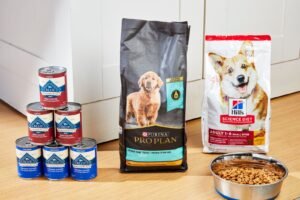
Choosing the best dog food for your pets is easiest when you select a formula that meets the nutritional standards set by the Association of American Feed Control Officials.
Choosing the right food is about more than just the brand name on the bag. It’s about matching the nutrient profile to your dog’s age, activity level, and health status. The most common mistake people make is choosing a food based only on clever marketing or trendy ingredients rather than checking the nutritional adequacy statement. If a food doesn’t have this statement, it isn’t guaranteed to be nutritionally complete for your pet.
Choosing the best food to feed dogs
To provide the correct diet, follow these steps to verify that the product you select is safe and appropriate for your dog.
- Check the label for the “AAFCO Statement of Nutritional Adequacy.” This confirms the food has been tested or formulated to meet the AAFCO Dog Food Nutrient Profiles for a specific life stage, such as “growth” for puppies or “adult maintenance” for mature dogs.
- Verify the life stage on the bag matches your dog’s current age. A puppy needs higher levels of protein and calcium for bone development, while an adult dog needs a more stable balance to prevent unnecessary weight gain.
- Review the ingredient list to ensure a high-quality animal protein, such as chicken, beef, or lamb, is listed as one of the first two ingredients. These proteins provide the essential amino acids your dog requires for muscle health and immune function.
- Consult your veterinarian before choosing a specialized diet, such as grain-free or raw food. If your dog has a known health condition like kidney disease or allergies, your vet can recommend a specific prescription diet that avoids triggers. Tip: Don’t switch your dog’s food suddenly, as this often causes an upset stomach or diarrhea. Mix the new food with the old food over 7 to 10 days, slowly increasing the amount of the new brand.
How long it takes to transition diets
Transitioning to a new food is a gradual process to protect your dog’s digestive health. This assumes a healthy adult dog; for puppies or dogs with sensitive stomachs, extend the transition period to 14 days.
| Situation | How long | What changes it | What to watch for |
|---|---|---|---|
| Standard adult transition | 7–10 days | Age and sensitivity | Stool consistency |
| Puppy diet switch | 14 days | Rapid growth needs | Energy levels |
| Prescription diet change | 14+ days | Medical necessity | Appetite changes |
If your dog develops persistent vomiting or refuses to eat during the transition, stop the new food and contact your veterinarian immediately to rule out an allergy or reaction.
Signs your dog is doing well
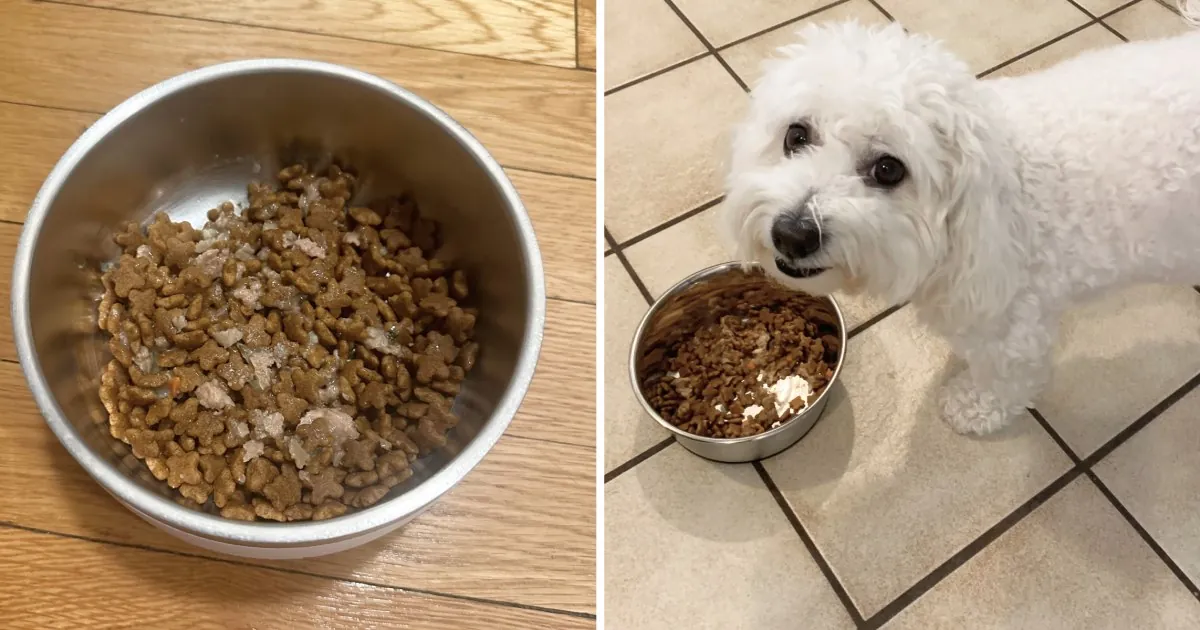
You can tell if a food is working by watching your dog’s physical condition and energy levels. A healthy dog should have a shiny, soft coat, bright eyes, and a steady, healthy weight. You should be able to feel, but not see, their ribs under a light layer of fat. If your dog is lethargic, has dull fur, or experiences frequent digestive issues like gas or loose stools, the current diet may not be providing the right balance of nutrients. The ultimate test is a consistent, firm stool, which indicates the body is digesting the food properly.
Mistakes that ruin your dog’s diet
- Feeding based on human trends: Choosing foods because they sound “human-grade” or “gourmet” often ignores the scientific balance of vitamins and minerals. Always prioritize the AAFCO adequacy statement over marketing buzzwords that lack regulatory backing.
- Overfeeding the recommended portion: Even the highest quality food causes obesity if you provide too much of it. Use a measuring cup to follow the feeding guidelines on the bag, adjusting based on your dog’s actual weight and activity level.
- Ignoring the calorie density: Different brands have different calorie counts per cup, meaning the same volume of food can provide vastly different energy levels. If you switch brands, look at the “kilocalories per cup” on the label to ensure you aren’t accidentally underfeeding or overfeeding your pet.
Frequently asked questions
Can I feed my dog human food?
Yes, you can feed dogs small amounts of plain, cooked human foods like carrots, green beans, or lean chicken, but these shouldn’t make up more than 10% of their daily calories. Ensure the food is free of onions, garlic, grapes, or xylitol, which are toxic to dogs.
How often should I feed my dog?
Most adult dogs should be fed twice a day, once in the morning and once in the evening, to keep their metabolism stable. Puppies under six months old typically require three to four smaller meals throughout the day to support their rapid development and energy needs.
Is grain-free food better for dogs?
No, there’s no scientific evidence that a grain-free diet is superior for the average healthy dog. Unless your veterinarian has diagnosed a specific grain allergy, grains provide important fiber and nutrients that support healthy digestion and heart function in many dogs.
How do I know if my dog is allergic to their food?
You’ll notice symptoms like chronic ear infections, itchy skin, or recurring digestive upset if your dog has a food allergy. If you suspect an allergy, work with your vet to perform an elimination diet trial, which is the only way to identify the specific protein causing the reaction.
What happens if I feed my dog too much?
Feeding your dog too much leads to obesity, which puts extra stress on their joints and increases the risk of diabetes and heart disease. If you notice your dog gaining weight, reduce their portion size by 10% and increase their daily exercise, or consult your vet for a weight-management plan.
Conclusion
Providing high-quality nutrition is the most effective way to help your dog live a long, active life. By sticking to foods that meet official standards and monitoring your dog’s response to their diet, you ensure they get exactly what they need to stay healthy and happy every day.