

The most reliable approach to determining the best diet for your dog is a balanced regimen that meets the specific life-stage requirements set by your veterinarian. While many owners prefer commercial kibble for convenience, others choose home-prepared meals to control every ingredient, provided they follow strict nutritional guidelines.
Comparing common canine feeding methods
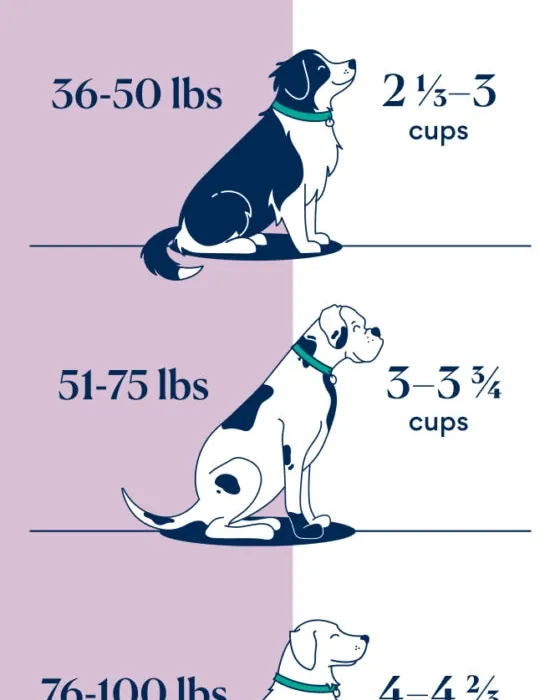
Choosing a feeding strategy depends on your budget, time, and your dog’s health needs. Each method offers a different balance between ease and nutritional customization.
| Method | How long | Effort | Cost | Best for |
|---|---|---|---|---|
| Commercial Dry | 1 minute | Low | Low | Busy owners |
| Commercial Wet | 1 minute | Low | High | Picky eaters |
| Home-Cooked | 60 minutes | High | Medium | Dietary needs |
If you have a puppy, you must use a formula labeled for growth; for an adult, use a maintenance diet. You can check your specific breed’s caloric needs through the WSAVA nutritional assessment guidelines.
Commercial dry kibble
Kibble is the most common choice because it’s shelf-stable and easy to portion.
- Check the bag for an AAFCO statement confirming it’s complete and balanced.
- Measure the daily amount using a standard measuring cup based on your dog’s target weight.
- Divide the total daily allowance into two equal meals to prevent bloating.
- Store the bag in a cool, dry place inside an airtight container to maintain freshness.
This method is excellent for maintaining dental health through mechanical chewing action. However, it often contains higher carbohydrate levels than other forms, which may not suit every dog’s metabolism.
Commercial canned wet food
Wet food contains higher water content, which helps keep dogs hydrated throughout the day.
- Select a high-quality protein-based canned food.
- Calculate the daily caloric intake, as wet food is less calorie-dense by volume than dry food.
- Serve the food at room temperature to improve palatability.
- Refrigerate any unused portion immediately and discard it if it remains uneaten after 24 hours.
This is ideal for older dogs with missing teeth or those who struggle to drink enough water. The main drawback is the cost, as feeding a large dog exclusively on wet food becomes quite expensive over time.
Home-prepared balanced meals
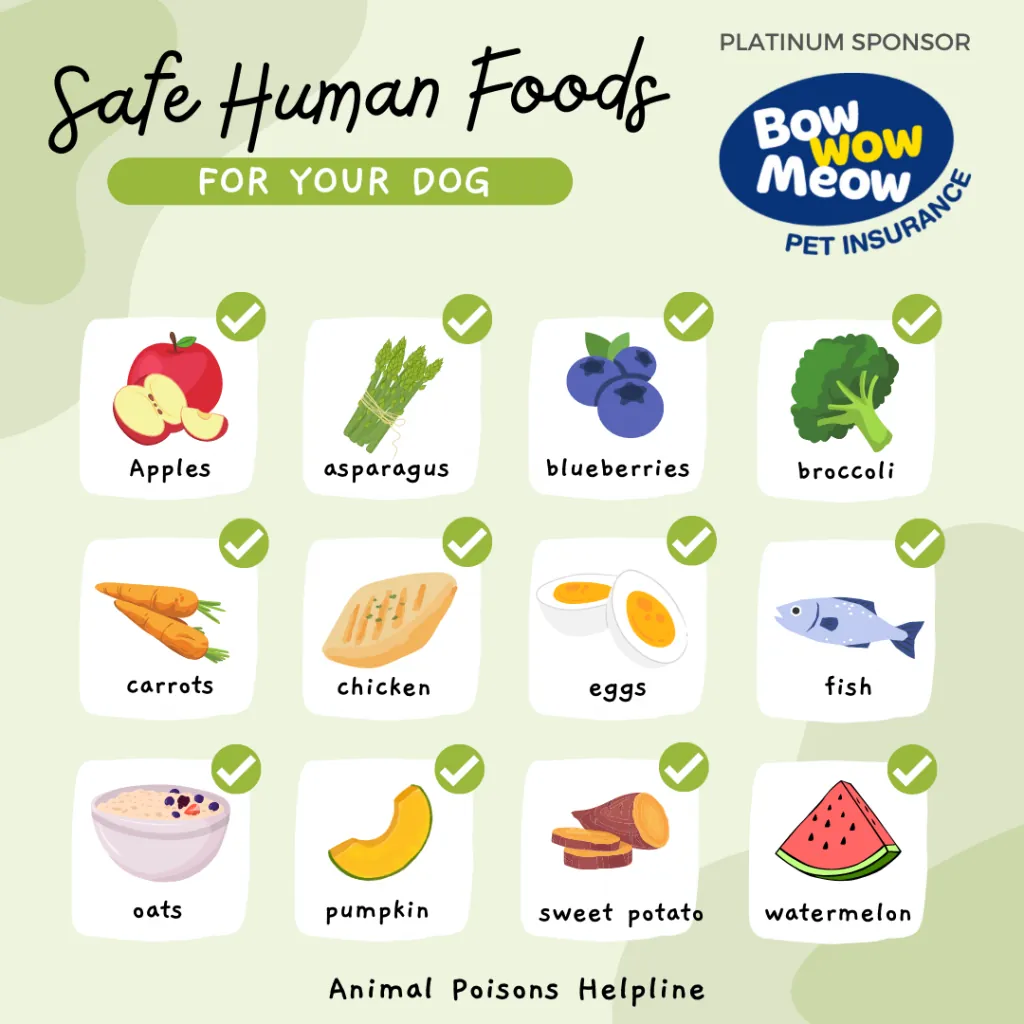
Cooking for your dog allows you to avoid additives, but it requires careful planning to avoid nutrient gaps.
- Consult a veterinary nutritionist to create a recipe that includes appropriate calcium-to-phosphorus ratios.
- Use a kitchen scale to weigh ingredients, as volume measurements are often inaccurate for raw or cooked components.
- Supplement the meal with specific vitamins and minerals as directed by your vet.
- Cook large batches and freeze individual portions for up to 30 days.
This method offers total control over ingredient quality. It isn’t for everyone, as a lack of professional guidance often leads to dangerous nutritional deficiencies.
How to choose the right feeding plan
When you’re in a hurry, commercial dry food is the best choice because it requires almost no preparation time. If you’re doing this for the first time, stick to high-quality commercial brands to ensure your dog gets all necessary nutrients without complex calculations. If you want the best possible result regardless of effort, work with a board-certified veterinary nutritionist to design a customized home-cooked diet. The trade-off is simple: you either trade your money for the convenience of pre-made food, or you trade your time for the control of a home-cooked meal.
Rules for every feeding method
Regardless of the method you choose, consistency and monitoring are essential for your dog’s long-term health. Always transition to a new food slowly over 7 to 10 days by mixing the old and new diets to avoid stomach upset. Keep a close eye on your dog’s body condition score; if you can see their ribs easily, they may be underweight, while an inability to feel the ribs suggests they need fewer calories. If you suspect your dog has a food allergy or a sensitive stomach, stop using your current method and speak with a licensed veterinarian before changing anything.
Frequently asked questions
Photo: www.greentailsmarket.com on Google
Can I feed my dog human food?
Yes, you can feed certain human foods, but only as treats that make up less than 10% of their daily calories. Stick to plain, cooked proteins or vegetables, and avoid onions, garlic, grapes, and chocolate, which are toxic to dogs.
How often should I feed my dog?
Most adult dogs should be fed twice daily, once in the morning and once in the evening. Puppies under six months of age usually require three to four smaller meals per day to maintain stable blood sugar levels.
Is it safe to feed a dog once a day?
No, it’s generally not recommended for most dogs, as it can increase the risk of gastric dilatation-volvulus, also known as bloat. Feeding smaller meals twice or three times a day helps with digestion and keeps your dog’s energy stable.
What happens if my dog eats too much?
Obesity in dogs leads to joint pain, diabetes, and a shorter life expectancy. If your dog is gaining weight, reduce their portion size by 10% and increase their daily exercise, or consult your vet to check for underlying health issues.
How do I know if my dog is allergic to their food?
Common signs of food allergies include chronic ear infections, itchy skin, and frequent digestive upset. If you notice these symptoms, a veterinarian can help you conduct an elimination diet to identify the specific protein or ingredient causing the reaction.
How long does an open bag of kibble stay fresh?
An open bag of kibble is best used within 4 to 6 weeks to ensure the fats don’t go rancid. You can check the “best by” date on the packaging, but once the seal is broken, exposure to air accelerates the degradation of nutrients.
Conclusion
Feeding your dog is a daily responsibility that directly impacts their longevity and vitality. By choosing a method that fits your lifestyle while prioritizing balanced nutrition, you provide the foundation for a healthy life. Always monitor your dog’s weight and behavior, and adjust their portion sizes based on their activity levels and your veterinarian’s advice.
Related guides