
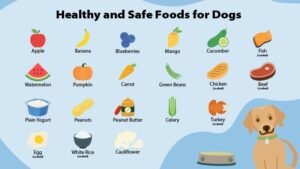
The most balanced nutrition for a healthy adult pet often comes from high-quality commercial food that meets the nutritional standards set by the Association of American Feed Control Officials.
Quality dog food provides the protein, fats, and vitamins required for energy and organ function. The one thing that decides whether a diet is suitable is your dog’s specific life stage, such as puppy, adult, or senior, as these have different caloric needs.
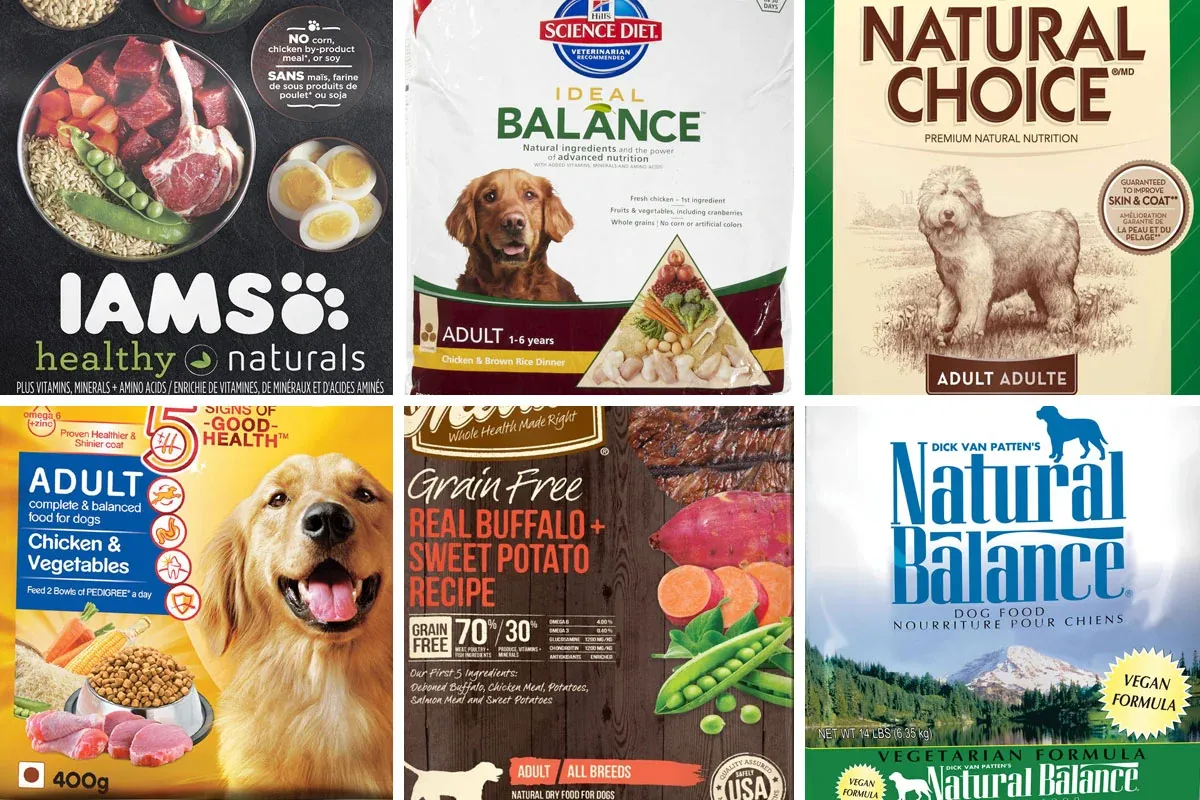
The most common mistake people make is choosing a diet based on marketing claims like “grain-free” or “human-grade” without checking the label for the AAFCO nutritional adequacy statement. These terms aren’t regulated in the same way as the nutritional profile, and they don’t guarantee that the food is better for your dog.
How to choose and serve meals
- Identify your dog’s life stage and activity level to narrow down the correct product category.
- Check the packaging for the AAFCO statement of nutritional adequacy to confirm it meets industry standards for your pet’s age.
- Consult your veterinarian about specific health conditions or allergies before you switch your dog to a new brand.
- Introduce the new food slowly by mixing it with the old brand over 7 to 10 days to avoid stomach upset.
- Measure the daily portions using a standard measuring cup based on the feeding guide printed on the bag. Tip: If your dog has a sensitive stomach, start with 25% new food and 75% old food, increasing the ratio every three days.
Time required for dietary changes
Changing your dog’s diet is a gradual process that depends on how sensitive your dog’s digestive system is to new ingredients. While the transition schedule is standard, you must adjust the speed if your dog shows signs of loose stools or vomiting.
| Situation | Timeframe | What changes it | What to watch for |
|---|---|---|---|
| Healthy adult dog | 7 days | Breed size | Energy levels |
| Puppy or senior | 10-14 days | Metabolic rate | Stool consistency |
| Dog with allergies | 3-4 weeks | Dietary history | Skin condition |
If your dog experiences persistent diarrhea during this transition, stop the new food and contact your veterinarian immediately for guidance.
Signs of a healthy diet
You can tell if a food is working by monitoring your dog’s physical condition and energy levels. A healthy dog should maintain a consistent, lean body weight, which you can check by feeling for their ribs without a thick layer of fat. Their coat should be shiny and soft, and they should have firm, regular bowel movements. If your dog is lethargic, has dull fur, or experiences constant scratching, the current food might not be providing the right balance of fats and proteins. When in doubt, a professional body condition score performed by a veterinarian is the best way to verify if your current feeding plan is meeting their needs.
Common feeding errors to avoid
- Overfeeding portions: Giving your dog too much food leads to obesity, which puts extra stress on their joints and organs. Always use a measuring cup instead of guessing the amount for each meal.
- Ignoring treat calories: Treats should never make up more than 10% of your dog’s total daily caloric intake. If you give extra treats, reduce the size of the main meal to keep their weight stable.
- Frequent brand switching: Changing foods too often without a transition period causes digestive distress. Stick to one high-quality, balanced diet unless your veterinarian suggests a change for medical reasons.
- Feeding human leftovers: Many human foods, such as onions, garlic, and chocolate, are toxic to dogs. Keep your dog on a dedicated pet diet to ensure they avoid harmful ingredients.
Frequently asked questions
How much should I feed my dog?
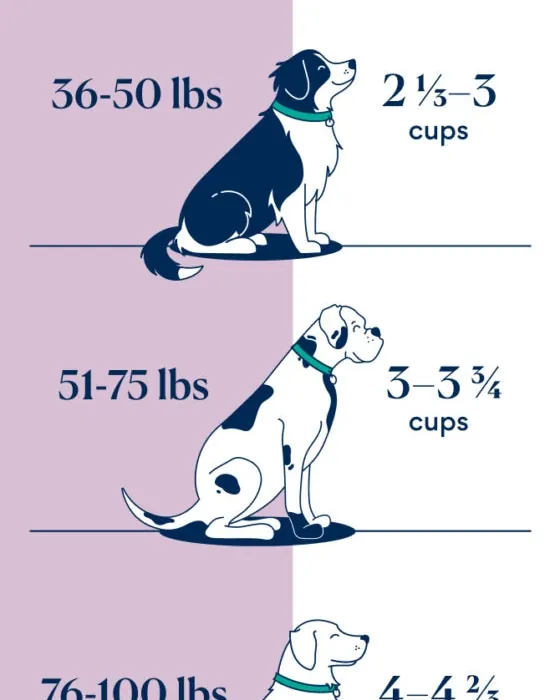
You should feed your dog the specific gram or cup amount listed on the product packaging for their current body weight. This assumes a standard activity level; if your dog is highly active or sedentary, you may need to adjust the portion by 10% to maintain a healthy weight.
Is expensive dog food always better?
No, the price doesn’t always determine the quality of the ingredients or the nutritional balance. You should prioritize brands that conduct feeding trials to prove their food is safe and effective, which is a better indicator of quality than the cost per bag.
Can my dog eat grain-free food?
Yes, most dogs can eat grain-free food, but it isn’t necessary unless your veterinarian has diagnosed a specific grain allergy. Many dogs thrive on diets that include high-quality grains like rice or oats, which provide essential fiber and energy for their daily activities.
How do I know if my dog is allergic to their food?
You’ll notice signs like chronic ear infections, itchy skin, or recurring digestive issues if your dog has a food allergy. If you suspect an allergy, your veterinarian may suggest an elimination diet to identify the specific ingredient causing the problem.
Should I feed my dog wet or dry food?
You can choose either wet or dry food, as both can be complete and balanced if the label confirms it. Dry food is often more convenient and helps keep teeth clean, while wet food is useful for dogs that don’t drink enough water during the day.
What should I do if my dog stops eating?
If your dog skips more than two consecutive meals, you should call your veterinarian to rule out illness. A sudden loss of appetite is a common sign of distress, and it’s safer to have a professional examine the dog than to wait for them to start eating again.
Conclusion
Feeding your dog is a long-term commitment to their health, so always prioritize products that meet established safety standards. If you ever feel unsure about your dog’s weight or energy levels, your local veterinary clinic is the best resource for a personalized plan.