
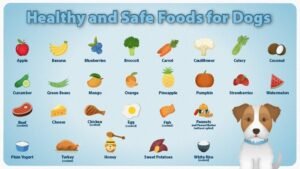
Prioritizing balanced nutrition that meets established life-stage requirements is the best way to determine what food is good for dogs.
Essential Nutrients for Canine Health
A high-quality diet provides the building blocks for your dog’s daily energy and long-term health. You should look for labels that indicate the food has been formulated to meet the nutritional levels established by industry standards.
- Protein: Look for named animal sources like chicken, beef, or fish as the first ingredient.
- Fats: These provide essential fatty acids for healthy skin and a shiny coat.
- Fiber: A moderate amount supports healthy digestion and regular bowel movements.
- Vitamins and Minerals: These ensure proper immune function and bone strength.
- Life-Stage Formulation: Always select food labeled for your dog’s specific age, such as puppy, adult, or senior.
Why Nutritional Balance Matters
Providing a diet that matches your dog’s physiological needs is the primary way to prevent long-term health issues. The Association of American Feed Control Officials provides the recognized standards for what constitutes a complete and balanced diet. Manufacturers who follow these guidelines ensure that the food contains the correct ratio of nutrients for specific life stages.
If you choose a product without these standards, you risk providing an excess or a deficiency of key minerals like calcium or phosphorus. This is particularly dangerous for growing puppies, as an improper balance can lead to skeletal development problems. If your dog has a known health condition, such as kidney disease or allergies, you must consult your veterinarian to identify the specific nutrient limits required for their safety. The exact amount of calories your dog needs daily depends on their activity level and metabolism, so you should monitor their weight and adjust portions accordingly.
Choosing Food Based on Dog Needs
| Situation | What changes | What to do instead |
|---|---|---|
| Puppy | Growth requirements | Use puppy-specific formulas |
| Senior | Lower metabolism | Choose lower-calorie senior food |
| Allergy | Protein source | Use limited-ingredient diets |
| High Activity | Energy needs | Increase working-dog portions |
| Weight Gain | Calorie density | Consult vet for diet plan |
How to Feed Your Dog Properly
- Read the feeding guidelines on the back of the bag, which suggest amounts based on your dog’s current weight.
- Use a standard measuring cup to portion out the food; don’t estimate, as even small extras lead to weight gain.
- Split the total daily amount into two meals, unless your veterinarian advises a different schedule for your specific pet.
- Provide fresh, clean water in a bowl at all times, as digestion requires consistent hydration to function correctly throughout the day.
- Transition to new food over seven days by mixing it with the old, starting with 25% new and 75% old.
- Check your dog’s body condition by feeling their ribs; you should feel them easily without pressing hard through thick fat.
Mistakes That Ruin Canine Nutrition
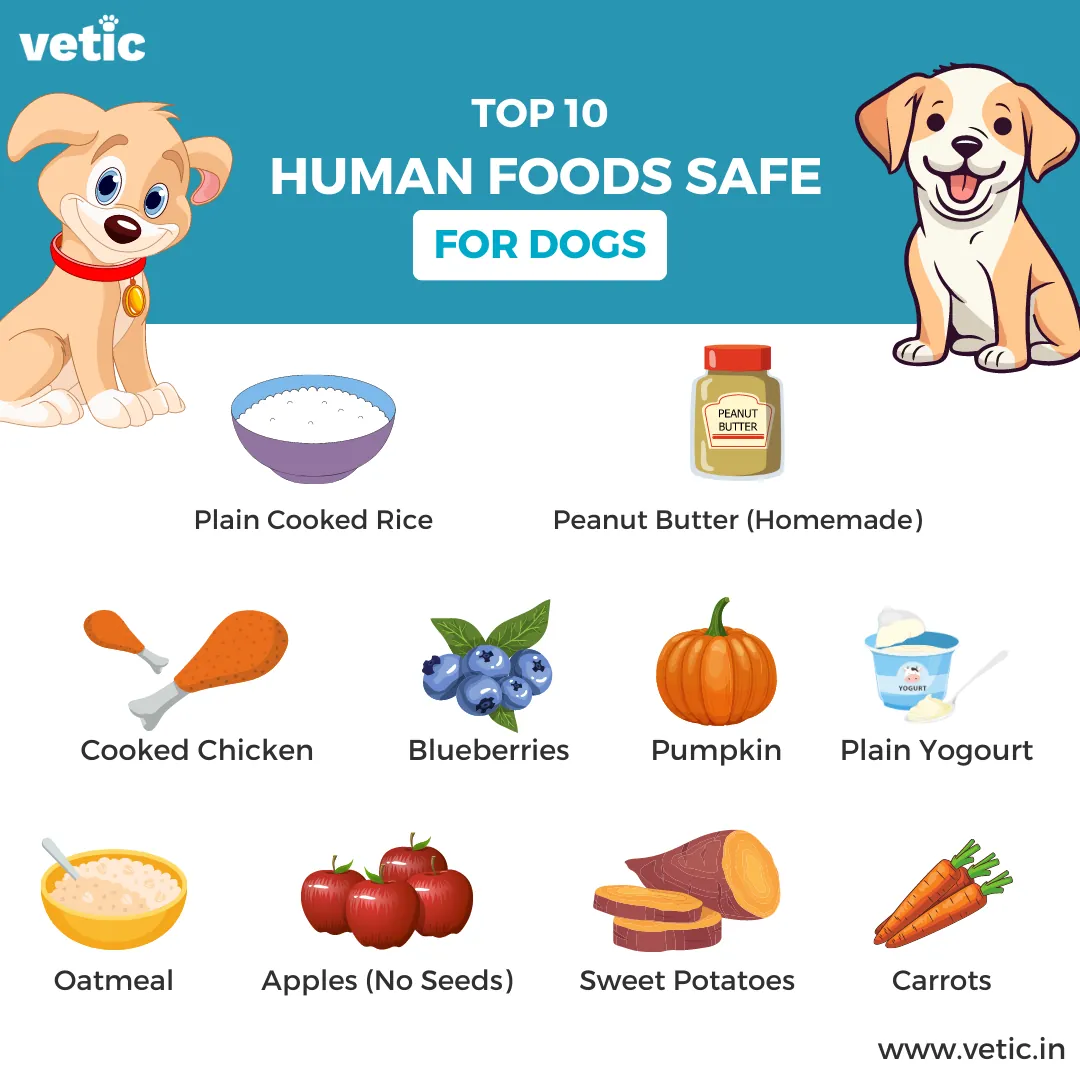
- Feeding human table scraps often leads to obesity and can cause dangerous digestive upsets from high fat or seasonings.
- Switching food brands too rapidly can cause vomiting or diarrhea, so always allow a full week for the change.
- Overfeeding is the most common mistake, and it leads to joint stress and heart issues over the animal’s lifetime.
- Ignoring the expiration date can result in rancid fats, which are unpalatable and lack the necessary nutritional value for your pet.
Frequently asked questions
How much should I feed my dog every day?
The exact amount depends on your dog’s age and weight, so check the feeding chart on the specific product packaging. You should adjust the portion based on your dog’s activity level and monitor their weight to ensure they stay in a healthy range.
Is it safe to feed my dog raw food?
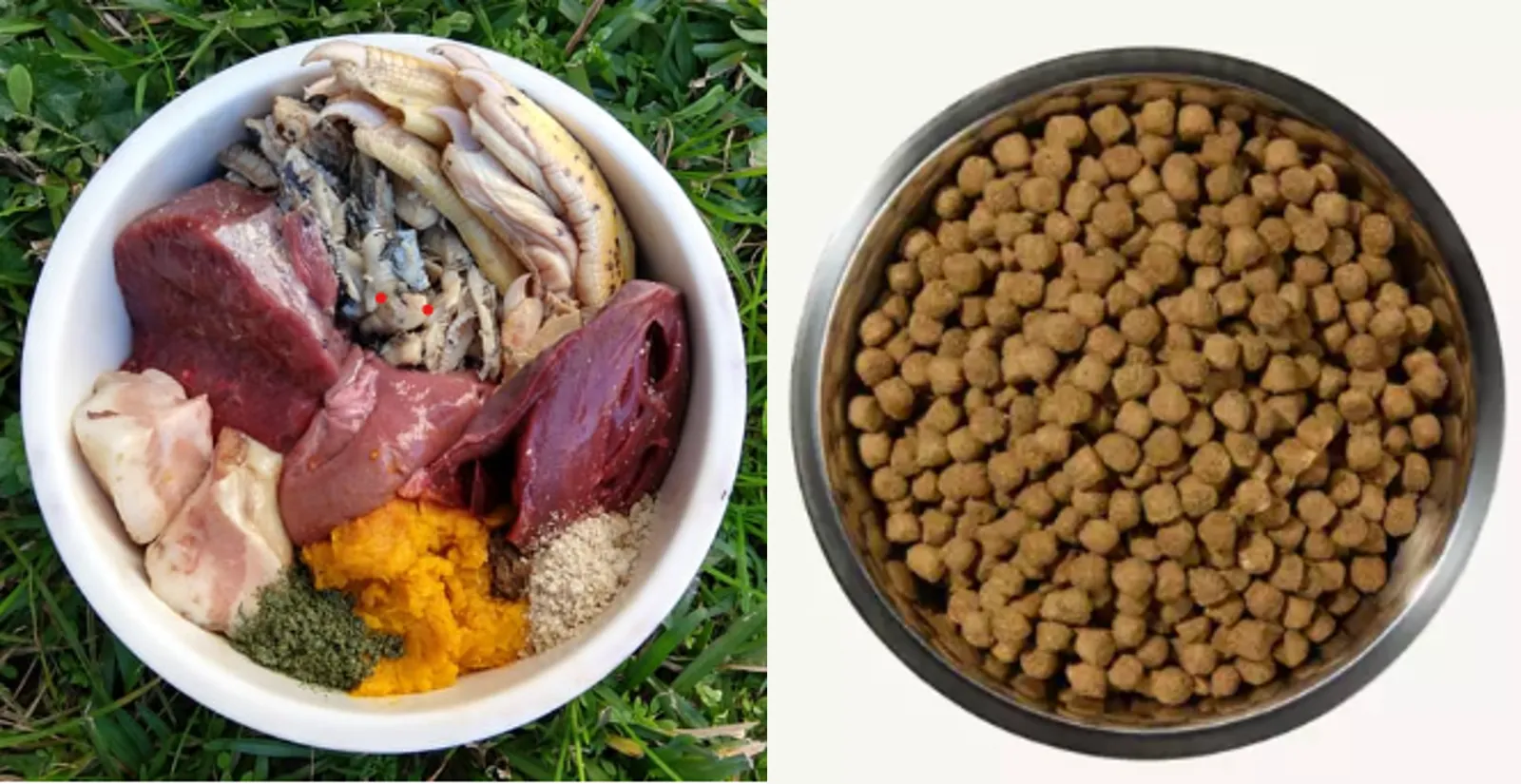
Raw food carries a risk of bacterial contamination for both the dog and the people in the home. If you choose to feed raw, you must follow strict hygiene practices and discuss the nutritional risks with a veterinarian to ensure the diet is truly balanced.
How do I know if a food is high quality?
A high-quality food lists a specific animal protein as the first ingredient and meets the nutritional standards set by the Association of American Feed Control Officials. You should look for these labels to ensure the manufacturer has performed the necessary testing for safety.
What happens if I change my dog’s food suddenly?
A sudden change in diet causes digestive distress, including vomiting and loose stools. You should always introduce new food gradually over a period of seven days to allow your dog’s digestive system to adapt to the new ingredients and nutrient concentrations.
Does the price of dog food matter?
Higher-priced foods often contain higher-quality ingredients, but the most important factor is whether the food meets the nutritional standards for your dog’s life stage. You should focus on the label’s guaranteed analysis and ingredient list rather than the price tag alone.
Can I feed my dog the same food for their whole life?
You should switch your dog’s food based on their life stage, moving from puppy to adult and eventually to senior formulas. These transitions are necessary because a dog’s nutritional requirements change significantly as their metabolism and activity levels shift with age.
Conclusion
Providing your dog with the right food is one of the most important parts of ownership. By checking labels, monitoring their weight, and sticking to a consistent feeding schedule, you help ensure they stay healthy and energetic for years to come.