
The most important factor when deciding what’s the best food to feed a dog is choosing a product that meets the complete and balanced nutritional standards set by the Association of American Feed Control Officials. You should prioritize labels that explicitly state the food is formulated for your dog’s specific life stage.
Nutritional requirements change drastically as a dog ages. A growing puppy needs more calories and specific protein levels compared to a sedentary senior. The most common mistake owners make is feeding an “all life stages” diet when their pet has unique health needs, which can lead to obesity or developmental issues.
Choosing the best food to feed your dog
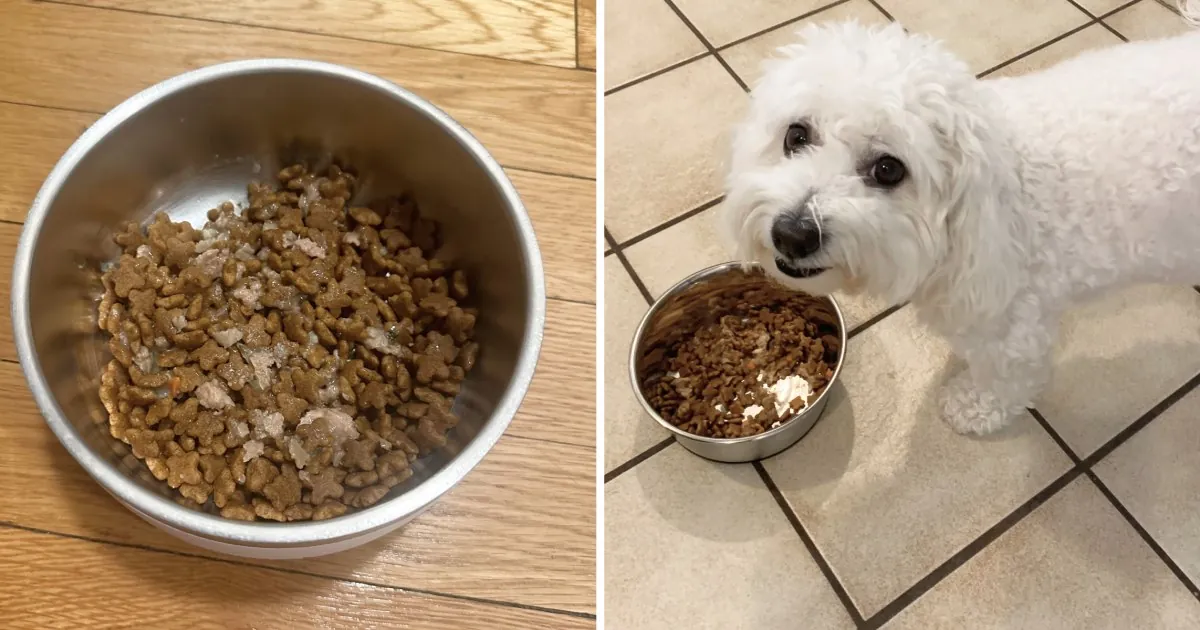
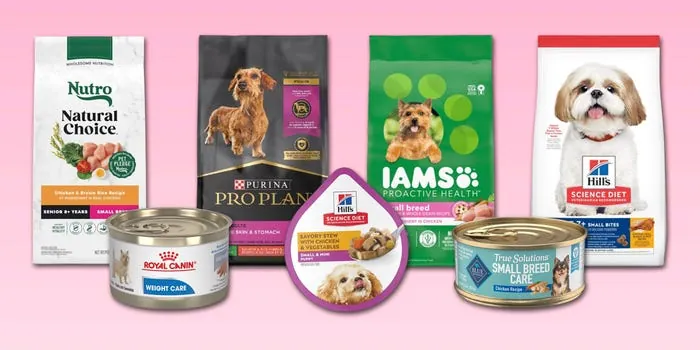
- Check the packaging for a statement of nutritional adequacy from the Association of American Feed Control Officials (AAFCO). This ensures the product has been tested or formulated to meet strict nutrient profiles for growth, maintenance, or reproduction.
- Identify your dog’s life stage, such as puppy, adult, or senior, and match it to the bag. Puppies require higher fat and protein content to support rapid development, while seniors often need lower calorie counts to manage weight.
- Look for a named animal protein source, like “chicken” or “beef,” as the first ingredient on the label. High-quality animal proteins provide the essential amino acids that dogs can’t synthesize on their own.
- Consult your veterinarian before adding supplements or switching to a specialized diet. If your dog has a known allergy or a chronic illness, professional guidance prevents nutritional imbalances that can cause long-term harm.
Tip: If you’re transitioning to a new brand, mix it with the old food over 7 days, slowly increasing the new portion to prevent digestive upset.
Feeding schedules and portion control
| Activity Level | Daily Frequency | Portion Adjustment | What to watch for |
|---|---|---|---|
| High energy | 3 meals | Increase by 10% | Visible ribs/lethargy |
| Average adult | 2 meals | Standard label amount | Stable body weight |
| Senior/Sedentary | 2 meals | Decrease by 10% | Sudden weight gain |
If your dog is losing weight despite following the label, contact your vet to rule out underlying medical issues like parasites or metabolic diseases. Always use a standard measuring cup rather than guessing the amount, as even small overages lead to obesity over time.
Signs of a healthy diet
You can tell if a food is working by observing your dog’s coat, energy levels, and stool consistency. A healthy dog should have a shiny, soft coat without excessive shedding or dry patches. Their energy should be consistent throughout the day, and their stools should be firm and regular. The FDA’s guidance on pet food labels explains how to read the ingredient list and guaranteed analysis to ensure the product is safe and nutritious. If you notice persistent vomiting, diarrhea, or a dull, brittle coat, the current diet may not be providing the right balance of fats or nutrients for your specific animal.
Mistakes that impact canine health
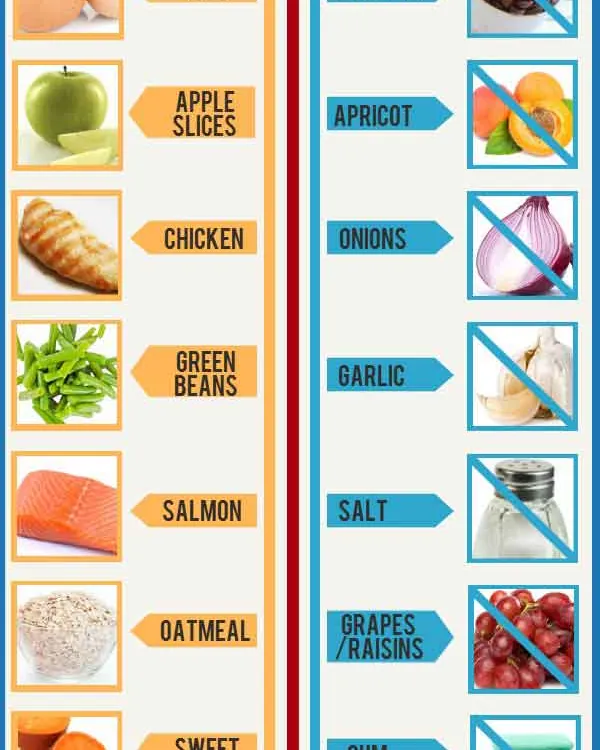
- Feeding human food as a primary meal: Table scraps often contain excess salt, sugar, or toxic ingredients like onions and grapes that cause severe organ damage. Stick to commercial dog food or vet-approved recipes to ensure every meal is balanced.
- Ignoring the calorie density per cup: Different brands have different calorie counts, so a “cup” of one food isn’t the same as a “cup” of another. Always check the “kcal per cup” listed on the bag to avoid accidental overfeeding.
- Rapidly changing brands: Sudden diet changes frequently cause vomiting and diarrhea because the dog’s gut bacteria can’t adapt fast enough. Always allow at least one full week to transition between different formulas.
Frequently asked questions
Can I feed my dog raw meat?
Feeding raw meat carries a significant risk of bacterial contamination like Salmonella and Listeria, which can infect both the dog and the human household. Most veterinarians recommend cooked, commercially prepared diets to ensure the food is free of pathogens and nutritionally complete for your pet.
How much should I feed my dog?
You should feed your dog based on the calorie count provided on the packaging, which is usually calculated per cup for a specific weight range. If your dog is highly active, you may need to increase the amount by 10-15% compared to the label’s baseline recommendation for their weight.
Is grain-free food better for dogs?
No, grain-free food isn’t inherently better unless your dog has a verified medical allergy to specific grains. Grains provide essential fiber and energy, and there’s no scientific evidence that a grain-free diet offers superior health benefits for the average, healthy dog.
How long does a bag of dog food stay fresh?
A bag of dog food typically stays fresh for about 4 to 6 weeks after opening if stored in a cool, dry place. To maintain quality, keep the food in its original bag inside a sealed plastic container to prevent oxidation and moisture buildup.
Why is my dog refusing to eat?
A sudden refusal to eat often signals an underlying health issue like dental pain, an upset stomach, or systemic illness. If your dog misses more than two consecutive meals, you should contact a veterinarian to rule out a medical emergency rather than trying to entice them with treats.
What happens if I overfeed my dog?
Overfeeding causes obesity, which significantly increases your dog’s risk of joint pain, diabetes, and heart disease. If you can’t easily feel your dog’s ribs or their waistline has disappeared, consult your veterinarian to establish a weight management plan.
Conclusion
Before you make a final decision, it’s a good idea to schedule a quick chat with your veterinarian. They’ll help you tailor a diet that fits your pet’s unique health needs perfectly. Once you’ve got their professional advice, you’ll feel much more confident about filling that bowl every single day.
Related guides