

The most nutritious option is a balanced, age-appropriate commercial diet that meets the standards set by the Association of American Feed Control Officials. When you decide what’s the best food to give a dog, you must ensure the label confirms it provides complete and balanced nutrition for your pet’s specific life stage.
Dogs require a specific balance of proteins, fats, vitamins, and minerals to maintain health. High-quality commercial diets are formulated to meet these needs, whereas homemade meals often lack the precise balance required to prevent long-term health issues. The most common mistake is choosing a food based on marketing claims rather than checking the nutritional adequacy statement on the back of the bag.
Best food to give your dog
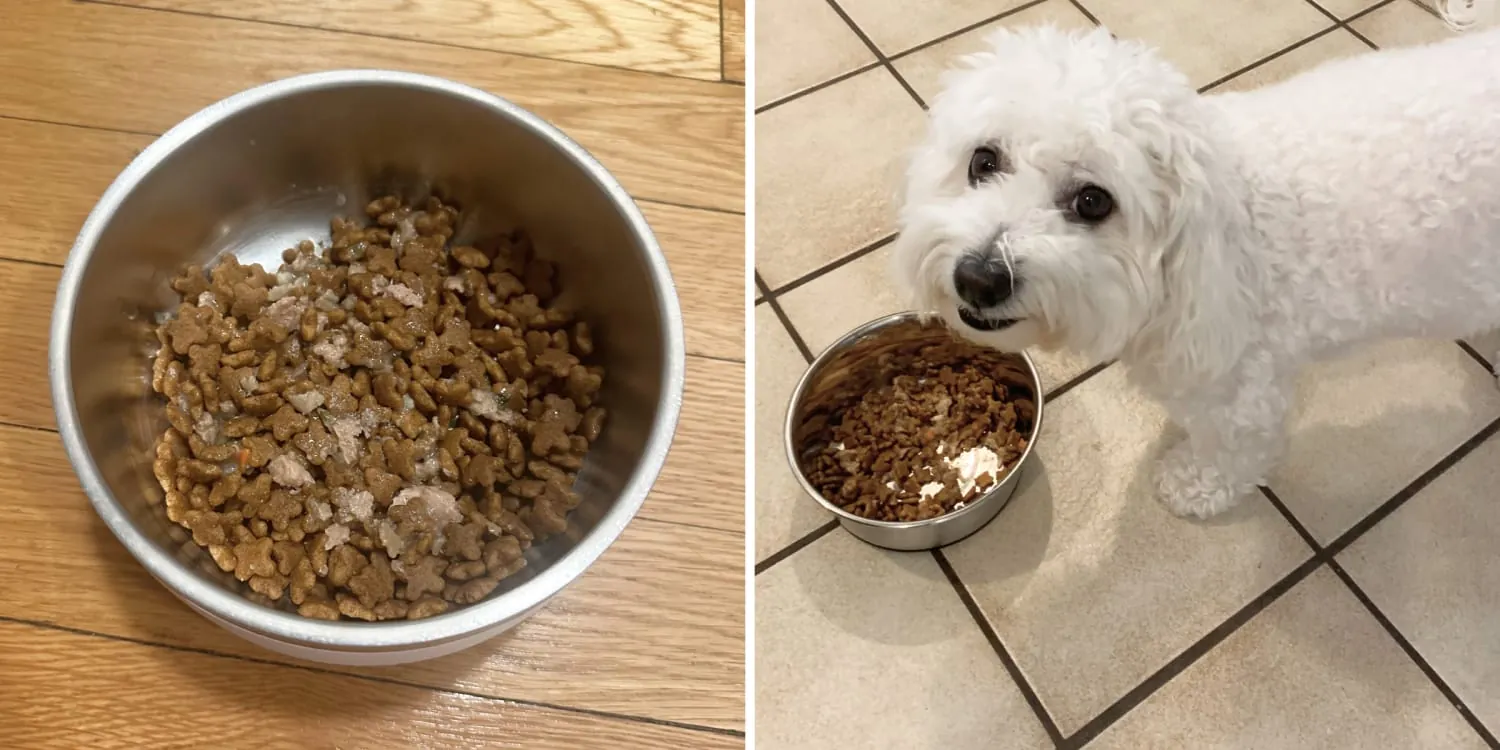
- Check the bag for an AAFCO nutritional adequacy statement, which confirms the food has passed feeding trials or meets nutrient profiles for a specific life stage like puppy, adult, or senior.
- Introduce the new food gradually over 7 to 10 days by mixing it with the old food to prevent digestive upset. Start with 25% new and 75% old, then slowly increase the ratio until the transition is complete.
- Weigh your dog regularly to ensure they maintain a healthy body condition score, as the feeding guidelines on the package are merely starting points. If your dog gains or loses weight, adjust the portion size by 5% to 10% per meal until you hit the target.
- Consult your veterinarian before adding supplements or switching to a specialized diet if your dog has known allergies or chronic health conditions. Tip: Never feed your dog raw meat without expert guidance, as the U.S. Food and Drug Administration warns that these diets carry a high risk of bacterial contamination for both the pet and the household.
Timing and Daily Feeding Schedules
| Life Stage | Meals Per Day | Portion Basis | What to Watch For |
|---|---|---|---|
| Puppy (up to 6 months) | 3 to 4 | Body weight | Rapid growth spurts |
| Adult (1 to 7 years) | 1 to 2 | Activity level | Unwanted weight gain |
| Senior (7+ years) | 2 | Metabolic needs | Reduced energy levels |
This table assumes a healthy dog of average activity levels. If your dog is a working breed or spends significant time exercising, you may need to increase their caloric intake by 15% to 20%. If your dog leaves food behind consistently, reduce the portion size for the next meal.
Recognizing Proper Nutritional Health
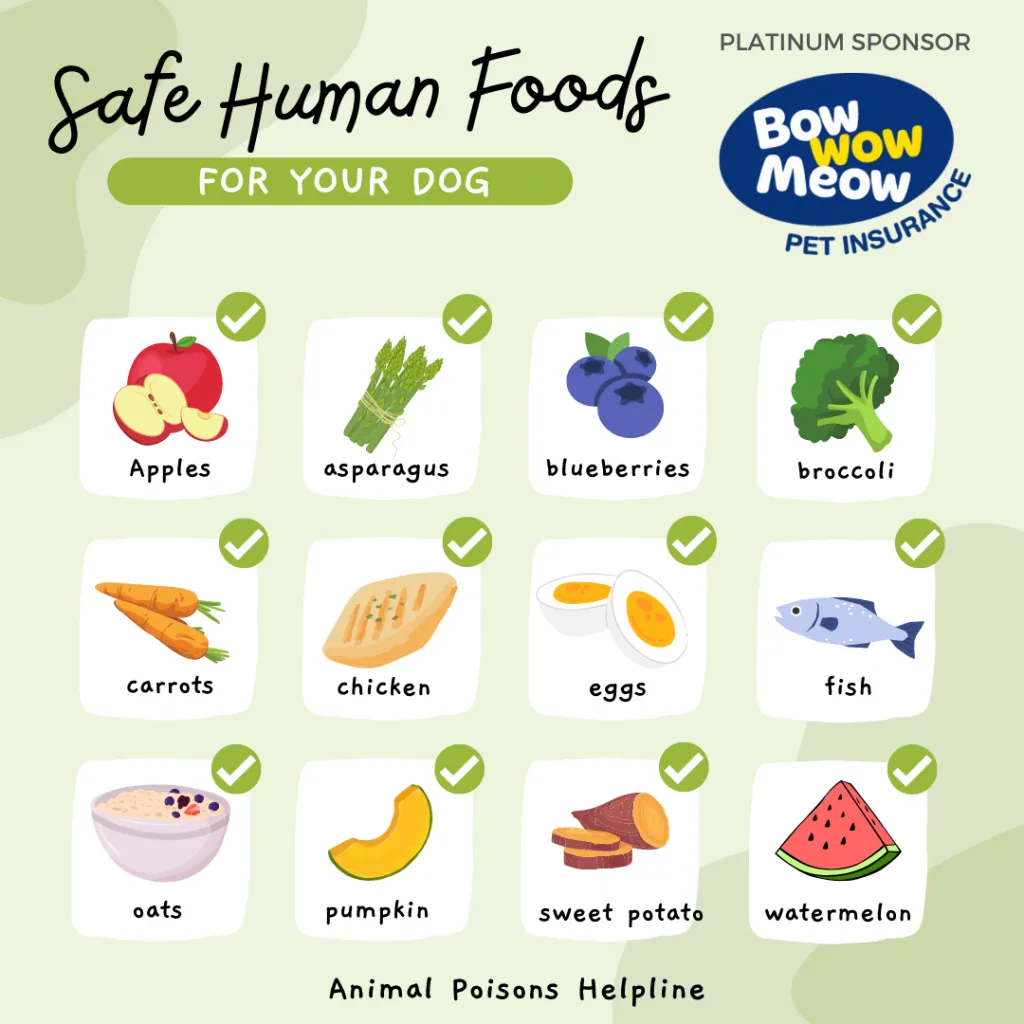
You can tell if a food is working by observing your dog’s energy, coat quality, and stool consistency. A healthy dog should have a shiny, soft coat without excessive shedding or dry patches. Their stools should be firm, brown, and consistent in size. If your dog shows signs of lethargy, dull fur, or persistent diarrhea, the current diet may not be providing the necessary nutrients. The ultimate test is a body condition score; you should be able to feel the ribs easily under a thin layer of fat without seeing them protrude. If you can’t feel the ribs, the caloric intake is likely too high for the dog’s activity level.
Common Nutritional Mistakes
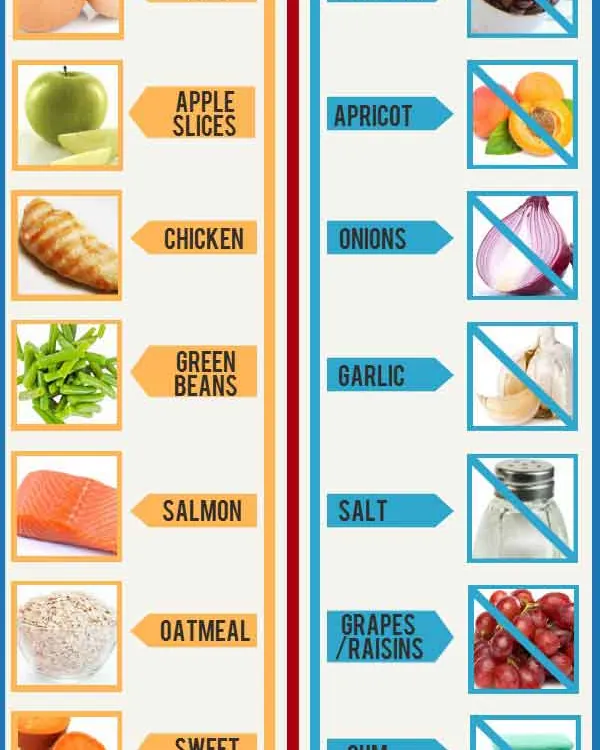
- Feeding human table scraps: Feeding your dog leftovers introduces excess fats and salts that lead to obesity or pancreatitis. Stick to formulated dog food and use small, plain vegetable pieces like carrots if you want to provide a treat.
- Ignoring portion control: Most owners estimate serving sizes by eye, which often leads to overfeeding and long-term joint or heart strain. Use a standard measuring cup or a kitchen scale for every meal to ensure you’re feeding the exact amount recommended by the manufacturer.
- Switching brands too often: Frequent changes in diet can cause chronic stomach irritation and make it difficult to identify the cause if your dog develops an allergy. Choose one high-quality brand that your dog tolerates well and keep them on it unless your veterinarian suggests a change for health reasons.
Frequently asked questions
How much food should I give my dog daily?
The amount depends on your dog’s weight, age, and activity level as listed on the food packaging. The amount of calories a dog requires depends on their individual metabolic rate, activity level, and life stage; consult your veterinarian to calculate your dog’s specific daily caloric needs.
How do I know if my dog is allergic to their food?
Common signs include chronic ear infections, itchy skin, and frequent paw licking. If you suspect an allergy, consult your veterinarian to perform a strict elimination diet trial, which usually lasts 8 to 12 weeks to identify the specific protein or ingredient causing the reaction in your pet.
Is grain-free food better for dogs?
No, grain-free food isn’t inherently better unless your dog has a medically diagnosed allergy to specific grains. Most dogs digest grains easily, and the FDA continues to investigate potential links between grain-free diets and heart issues in certain breeds, so stick to standard diets unless advised otherwise.
Can I feed my dog once a day?
Yes, healthy adult dogs can thrive on one meal a day, but splitting the daily amount into two smaller meals is generally better for digestion. Feeding twice a day helps prevent hunger and can reduce the risk of bloat in deep-chested, large breeds that tend to eat very quickly.
What should I do if my dog refuses to eat?
If your dog skips one meal but remains active, monitor them for 24 hours to see if their appetite returns. However, if they refuse food for more than 24 hours or show signs of vomiting or lethargy, take them to a veterinarian immediately to rule out serious illness or obstruction.
Conclusion
Proper nutrition is the foundation of your dog’s long-term health and vitality. By focusing on consistent portions, age-appropriate formulas, and regular body condition monitoring, you provide the best possible support for their daily needs. Always prioritize professional veterinary advice over marketing trends when making adjustments to your dog’s diet.