
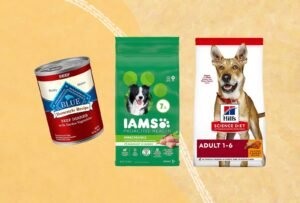
Choosing a good healthy dog food involves selecting a diet that meets the nutritional standards set by the Association of American Feed Control Officials for your dog’s specific life stage. You should look for a statement on the label that confirms the food provides complete and balanced nutrition for your pet.
The most important factor is the life stage of your dog. A puppy needs more protein and fat for growth, while a senior dog usually needs fewer calories to prevent weight gain. The most common mistake is ignoring the label’s life-stage claim. If you feed an “all life stages” food to a senior dog, they might gain too much weight, while a puppy fed a senior diet might not grow properly.
How to choose healthy dog food
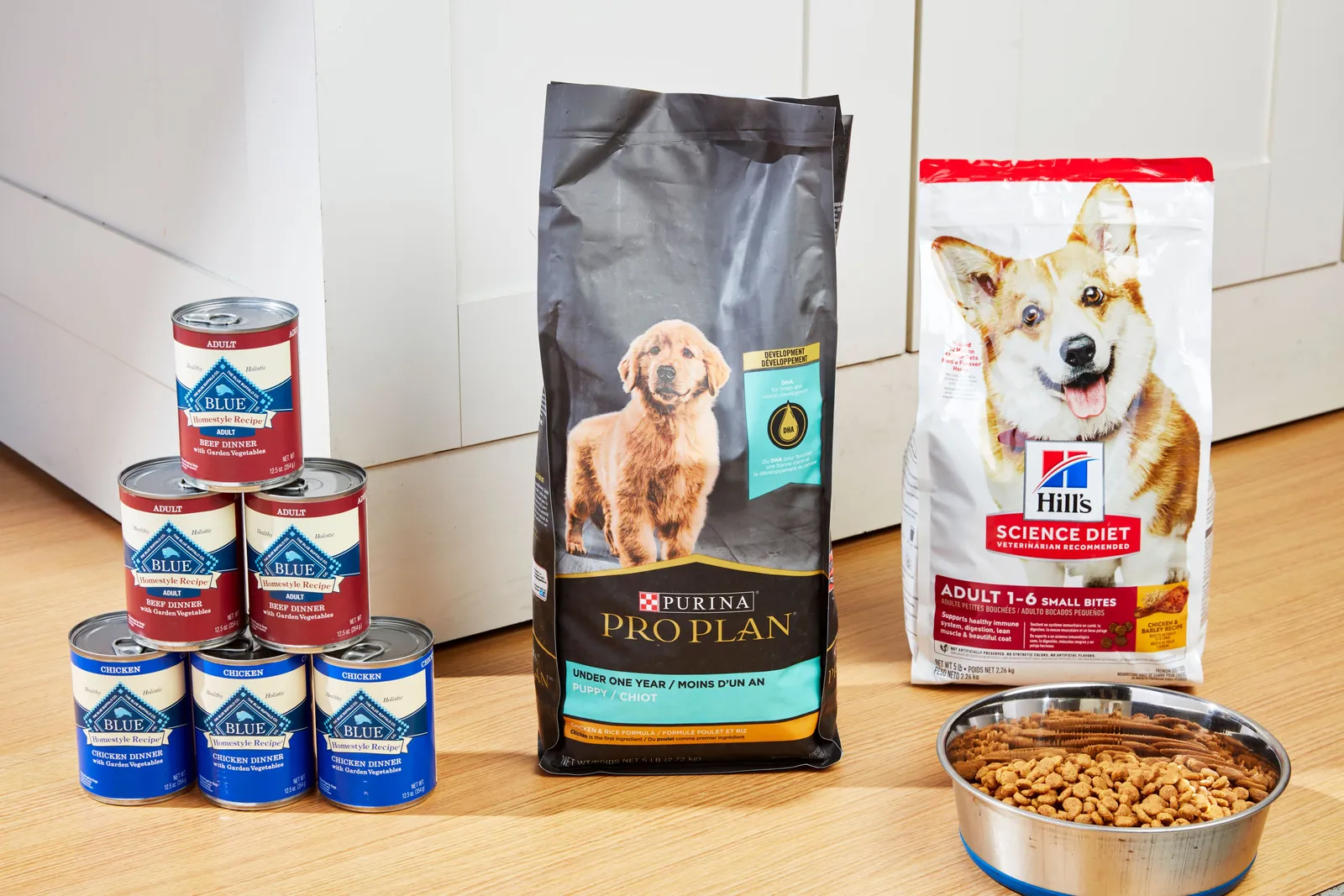
- Check the bag for the AAFCO nutritional adequacy statement, which confirms the food is tested for complete and balanced nutrition.
- Verify the life stage on the label, choosing “growth” for puppies, “adult maintenance” for healthy adults, or a weight-management formula for seniors.
- Review the ingredient list to ensure a high-quality animal protein, such as chicken, beef, or fish, is listed as the first ingredient.
- Consult your veterinarian about specific health needs, as dogs with allergies or sensitive stomachs require specialized diets that standard labels don’t address.
- Transition to the new food slowly over 7 to 10 days by mixing increasing amounts of the new food with the old to prevent digestive upset.
Tip: If your dog has a history of urinary crystals or kidney issues, ask your vet for a specific prescription diet instead of choosing one off the shelf.
Time requirements and feeding schedules
Feeding your dog requires consistent timing based on their age and activity level, as puppies require more frequent meals than adults to maintain blood sugar levels.
| Situation | Feeding Frequency | What changes it | What to watch for |
|---|---|---|---|
| Puppy (under 6 months) | 3-4 times daily | Rapid growth rate | Sudden weight loss or gain |
| Healthy adult | 1-2 times daily | Daily activity levels | Changes in body condition |
| Senior dog | 1-2 times daily | Slower metabolism | Difficulty chewing or eating |
If your dog consistently leaves food in the bowl or seems hungry between meals, consult your veterinarian to adjust the portion size, as standard package guidelines are just starting points.
Signs of a healthy diet

You can tell if a food is working by monitoring your dog’s daily physical signs. Their coat should remain shiny and soft, and their energy levels should stay consistent throughout the day. A healthy dog maintains a steady weight where you can feel their ribs but not see them easily. Their stools should be firm and consistent in color. If you notice dull fur, chronic itching, or frequent digestive issues like vomiting or diarrhea, the current food may not be a good fit. When these signs appear, schedule a checkup to rule out underlying medical conditions before you switch brands again.
Mistakes that ruin your dog’s health
- Feeding human table scraps: Adding human food to a dog’s diet adds hidden calories and can cause pancreatitis or obesity. Stick to high-quality dog food and only use dog-safe treats for training.
- Overfeeding based on the bag: Package recommendations are often too high for inactive pets, leading to rapid weight gain. Measure your dog’s food with a standard measuring cup rather than guessing the amount.
- Switching foods too quickly: A sudden change in diet often leads to severe stomach upset or diarrhea. Always follow a 7-day transition plan to give your dog’s digestive system time to adjust.
- Ignoring the expiration date: Old food can lose nutritional value or develop mold, which poses a health risk. Always check the “best by” date and store the bag in a cool, dry place.
Frequently asked questions
Photo: www.consumerreports.org on Google
Can I feed my dog a grain-free diet?
No, you shouldn’t feed a grain-free diet unless your veterinarian prescribes it for a diagnosed food allergy. The FDA is investigating a potential link between grain-free diets and canine heart disease, so stick to grain-inclusive formulas unless your vet confirms your dog has a specific sensitivity to grains.
How much should I feed my dog?
You should feed your dog the exact amount suggested on the bag for their current weight and then adjust based on their body condition. If your dog starts to gain weight, reduce the portion by 10% and monitor them for two weeks before making further changes to their daily intake.
Is it safe to feed my dog raw food?
No, feeding raw food carries a significant risk of bacterial contamination like Salmonella or Listeria for both your dog and your family. The American Veterinary Medical Association discourages raw diets because the risks of foodborne illness and nutritional imbalances far outweigh any perceived benefits for your pet’s health.
How do I know if my dog has a food allergy?
You’ll notice signs like chronic ear infections, persistent skin itching, or recurring digestive upset if your dog has a food allergy. These symptoms aren’t always present from birth, so you must work with a veterinarian to perform an elimination diet trial to identify the specific ingredient causing the reaction.
Why is my dog refusing to eat?
A sudden refusal to eat is often a sign of illness, dental pain, or extreme stress rather than a dislike for the food. If your dog doesn’t eat for more than 24 hours, or if they show other symptoms like lethargy or vomiting, you must take them to a veterinarian immediately.
What is the best protein for dogs?
The best protein is a high-quality animal source like chicken, turkey, lamb, or fish that’s listed as the first ingredient on the label. All of these proteins provide the essential amino acids a dog needs, so choose the one your dog enjoys most and digests without any stomach irritation.
Conclusion
Choosing a diet that aligns with your dog’s life stage and health needs is the most effective way to ensure they live a long and active life. Always prioritize the advice of your veterinarian over marketing claims on pet food packaging, as they know your dog’s specific medical history and nutritional requirements best.