
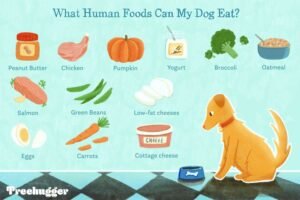
A balanced, commercial diet that meets the nutritional standards set by the Association of American Feed Control Officials is the best way to support a dog’s overall health.
Your choice should depend on your dog’s age, weight, and activity level. If your dog is a high-energy working breed, they need more calories than a sedentary indoor pet. The most common mistake is ignoring the feeding guidelines on the bag, which leads to obesity. Check the label for a statement confirming the food meets AAFCO nutritional standards for your dog’s life stage.
How to feed things to your dogs
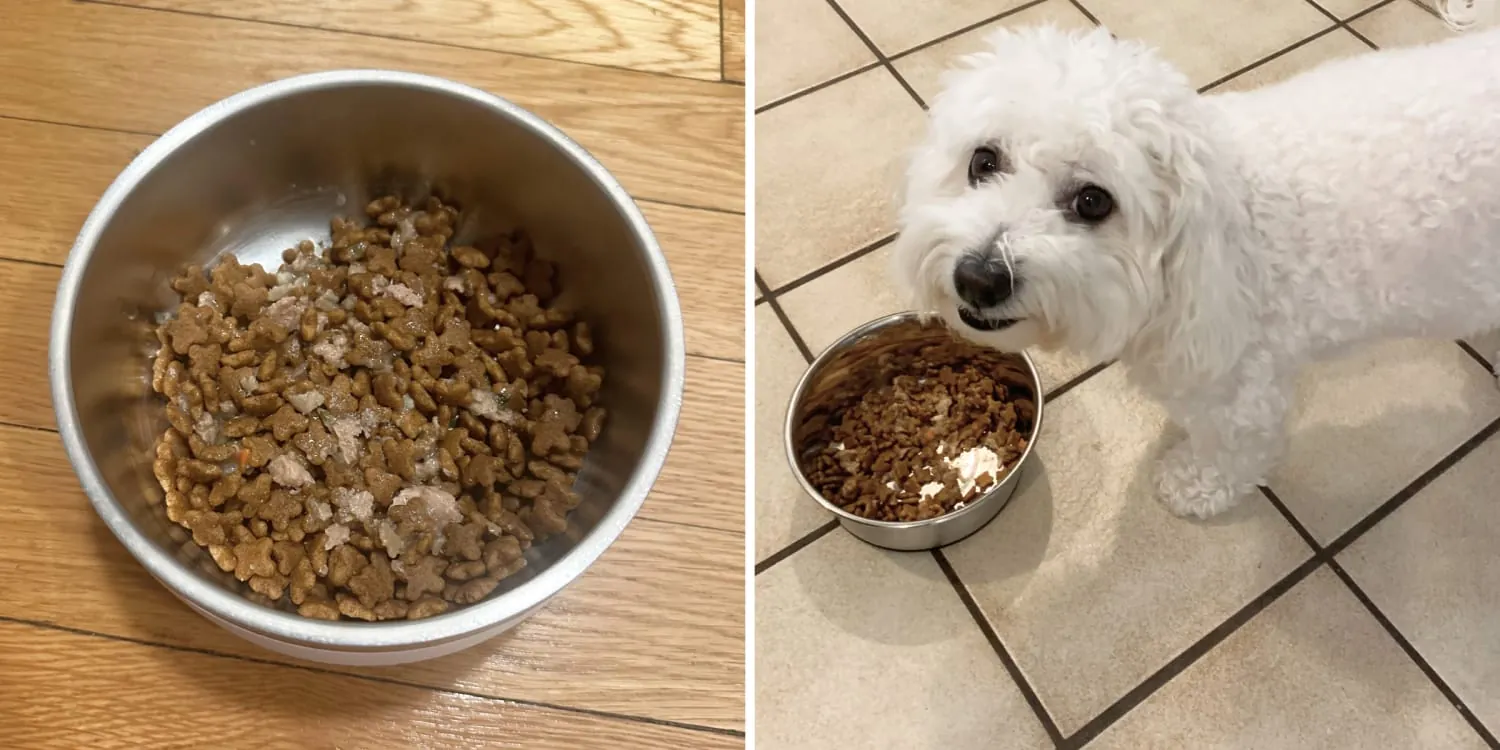
- Select a high-quality commercial dog food that meets AAFCO nutritional standards for your dog’s life stage.
- Measure every meal using a standard measuring cup, not a random kitchen bowl, to avoid overfeeding.
- Divide the daily total amount into two separate meals for adult dogs to keep their energy levels steady.
- Provide fresh water in a clean bowl at all times, washing the bowl with soap and water daily.
- Limit treats to no more than 10% of your dog’s total daily caloric intake to prevent nutritional imbalances.
Tip: If you see your dog gaining weight, reduce the portion size by 10% for two weeks and monitor their body shape.
Tip: Always transition to a new food slowly over seven days by mixing increasing amounts of the new food with the old.
How Long Feeding Takes to Change
Feeding is a lifelong routine, but adjusting a diet takes time for your dog’s digestive system to adapt. If you’re switching brands, you must go slowly to prevent stomach upset.
| Situation | How long to switch | What changes it | What to watch for |
|---|---|---|---|
| Puppy to adult | 7-10 days | Sensitivity | Soft stools |
| Brand change | 7-10 days | Digestive health | Vomiting |
| Weight loss plan | 4-8 weeks | Activity level | Rib visibility |
If your dog refuses to eat or has diarrhea for more than 48 hours during a transition, contact your veterinarian immediately.
Signs Your Dog Is Eating Well
You can tell if your dog is thriving by checking their coat, energy, and stool quality. A healthy dog has a shiny coat without excessive dander and maintains a steady weight where you can feel their ribs but not see them clearly. Their stools should be firm and consistent in color. If your dog seems lethargic or has skin issues, the current diet might lack necessary fatty acids or proteins.
Mistakes That Ruin Your Dog’s Diet
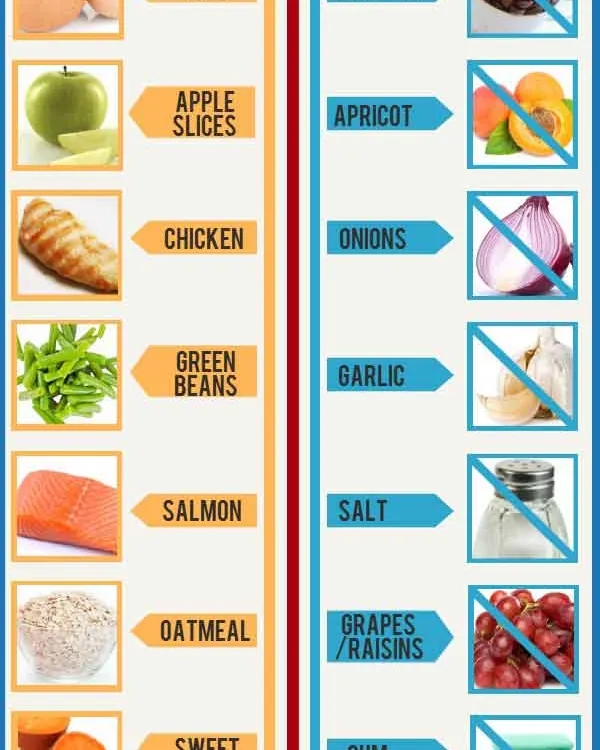
- Feeding human table scraps: Feeding leftovers adds hidden calories and salt that can cause pancreatitis or obesity. Stick to dog-specific treats to keep their nutrient intake balanced.
- Ignoring the caloric density: Different brands have different calorie counts per cup, so you can’t assume the amount remains the same when switching. Always recalculate the portion size based on the new bag’s feeding guide.
- Free-feeding all day: Leaving a full bowl out all day makes it impossible to track how much your dog eats, leading to weight gain. Instead, feed at set times twice a day to monitor their appetite.
- Adding too many supplements: Adding vitamins or oils without a vet’s advice can create dangerous nutrient excesses. Only add supplements if your veterinarian confirms a specific deficiency.
Frequently asked questions
How often should I feed my dog?
Adult dogs should eat two meals per day, spaced about 10 to 12 hours apart. This schedule helps regulate their metabolism and prevents hunger-related stomach issues. Puppies under six months old usually require three to four smaller meals daily to support their rapid growth and prevent low blood sugar.
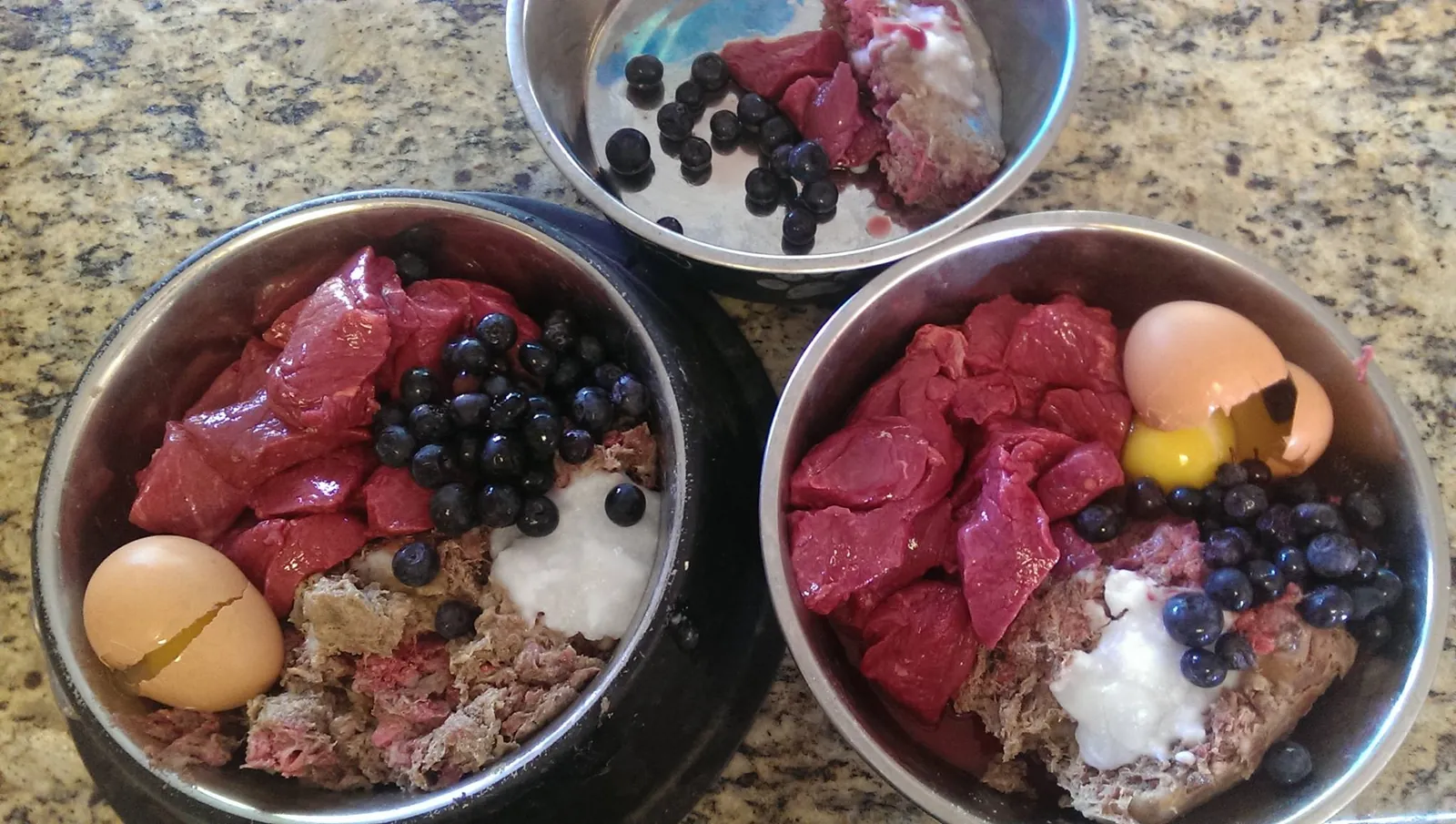
Is it safe to feed dogs raw meat?
No, feeding raw meat carries a significant risk of bacterial contamination like Salmonella and E. coli, which can affect both your dog and your family. The American Veterinary Medical Association advises against feeding raw animal-source protein unless it has been properly processed to eliminate pathogens, which is difficult to do at home.
How much should I feed my dog?
You should feed your dog based on the daily calorie requirement provided on the food packaging, which varies by weight and activity level. Use the weight of your dog as the primary guide, but adjust the amount if you notice your dog is gaining or losing weight over a two-week period.
What happens if I overfeed my dog?
Overfeeding leads to obesity, which shortens a dog’s lifespan and increases the risk of joint pain, heart disease, and diabetes. Excess weight puts constant pressure on a dog’s organs and skeleton, so it’s vital to keep them at a healthy body condition score through strict portion control.
Can I mix dry and wet food?
Yes, you can mix dry and wet food to improve palatability, provided you calculate the total calories from both to avoid overfeeding. Ensure that both foods are formulated for the same life stage and that the total amount doesn’t exceed the daily caloric needs for your dog’s specific weight.
How do I know if my dog is allergic to their food?
Signs of a food allergy include chronic ear infections, itchy skin, or recurring digestive upset like vomiting or diarrhea. If you suspect an allergy, consult your veterinarian to perform a strict food elimination trial, which is the only reliable way to identify the specific ingredient causing the reaction.
Conclusion
Good nutrition is the foundation of a long and active life for your dog. By following the feeding guidelines on the package and monitoring your dog’s weight, you can ensure they get exactly what they need to stay healthy. Always consult your vet before making major changes to their diet or if you have concerns about their physical condition.
Related guides