
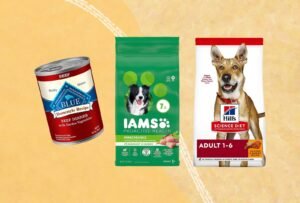
Good dog food for dogs should meet the nutritional standards set by the Association of American Feed Control Officials.
Choosing Good Food for Your Dog
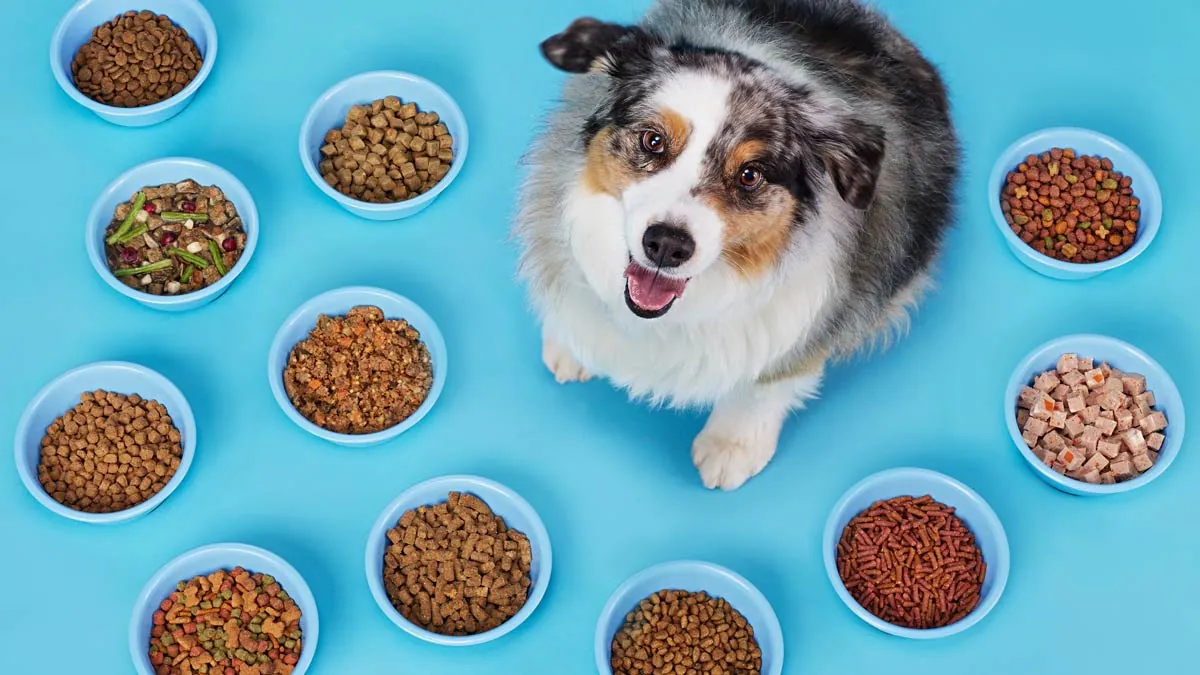
- Look for an AAFCO nutritional adequacy statement on the bag to ensure it meets basic standards.
- Pick a formula that matches your dog’s age, as puppies need more energy and protein than seniors.
- Check the ingredient list for a named protein source, such as chicken or beef, as the first ingredient.
- Avoid foods with vague descriptions like “meat meal” or “animal by-products” if you prefer knowing the exact source.
- Consult your veterinarian before choosing a diet if your dog has known health issues or allergies.
- Monitor your dog’s weight and coat condition to see if the chosen food supports their health properly.
Why Nutritional Standards Matter
The primary goal of feeding a dog is to provide a complete and balanced profile of nutrients. This means the food contains the correct ratio of proteins, fats, vitamins, and minerals required to sustain life and health. Without this balance, your dog may develop deficiencies or health complications over time. The AAFCO nutrient profiles act as the industry benchmark for these requirements.
Manufacturers that follow these guidelines ensure their products are formulated to meet the specific life stage needs of the animal. If a food label says it’s for “all life stages,” it’s formulated to meet the higher requirements of a growing puppy, which may be too calorie-dense for an adult dog. Always check the packaging to see if the formula is intended for growth, maintenance, or senior support.
When Your Dog Needs a Different Diet
| Situation | What changes | What to do instead |
|---|---|---|
| Puppyhood | Higher energy needs | Use puppy-specific formulas |
| Weight gain | Calorie reduction | Switch to weight management |
| Sensitive skin | Ingredient profile | Try limited ingredient diets |
| Food allergies | Protein source | Use hydrolyzed protein food |
| Senior years | Lower activity levels | Choose senior-specific recipes |
How to Select and Feed Your Dog
- Read the back of the bag for the AAFCO statement to verify the food is nutritionally complete for your dog’s specific age group.
- Choose a formula based on your dog’s weight and activity level, adjusting the daily amount according to the feeding chart on the package.
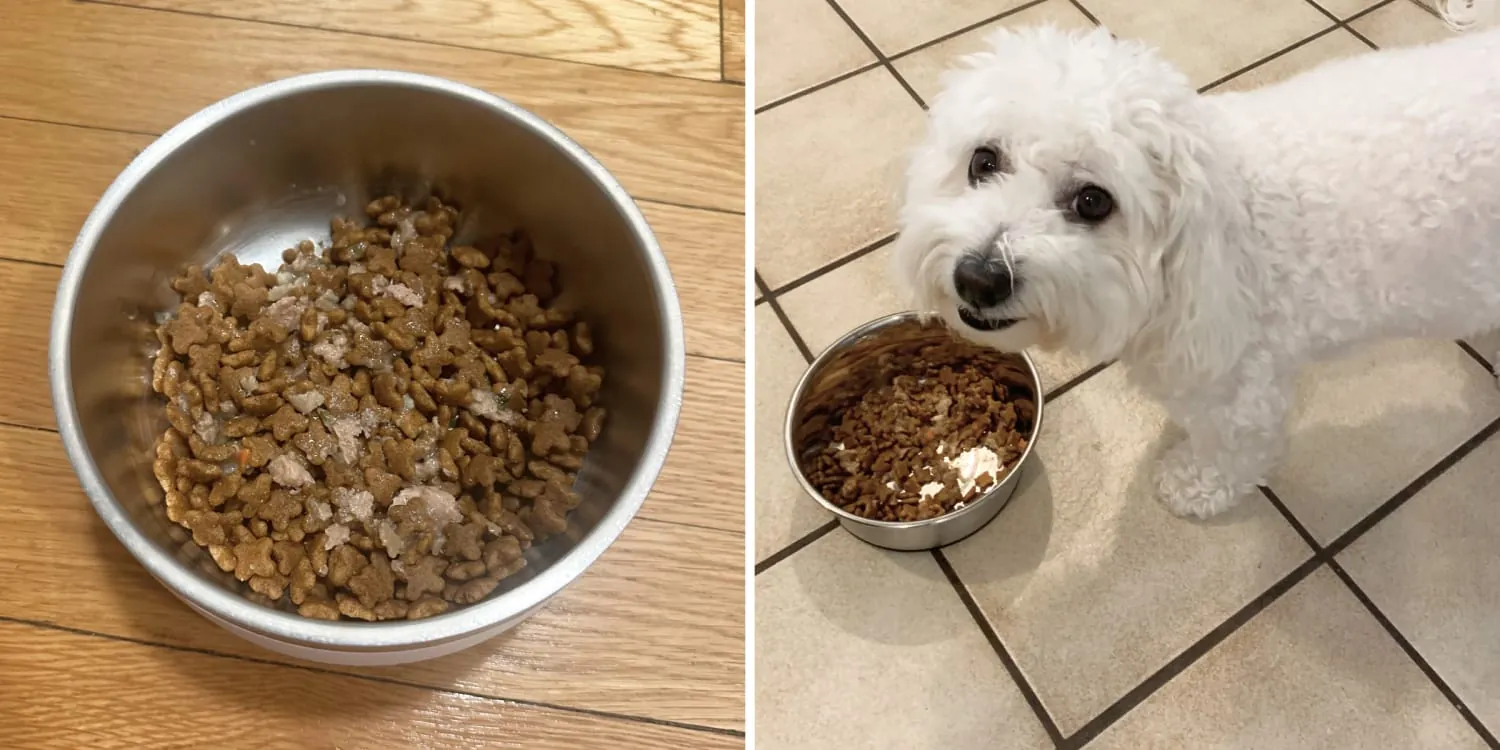
- Transition to new food slowly over 7 days by mixing 25% new food with 75% old food, then increasing the ratio daily.
- Use a standard measuring cup to portion out the food rather than guessing, as overfeeding is a common cause of weight gain.
- Keep a bowl of fresh, clean water available at all times, as dry food contains very little moisture compared to fresh diets.
- Observe your dog’s stool quality and energy levels during the transition to ensure the new food doesn’t cause digestive upset.
Common Mistakes That Ruin Diet Success
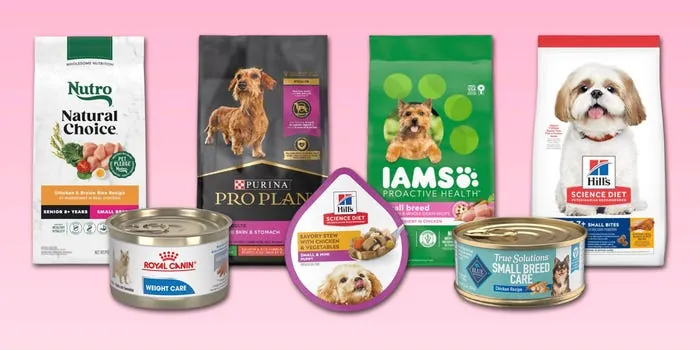
- Feeding based on marketing claims on the front of the bag rather than the nutritional facts on the back.
- Adding too many human food scraps, which can unbalance a carefully formulated diet and lead to obesity.
- Switching foods too quickly, which often results in digestive issues like diarrhea or vomiting for your pet.
- Ignoring the serving size recommendations, as even healthy food causes weight gain when provided in excess.
Frequently Asked Questions
How much should I feed my dog?
You should feed your dog the amount listed on the bag’s feeding chart, which is based on their current weight and activity level. If your dog is gaining or losing weight, adjust the daily portion by 10% and monitor their body condition over the next two weeks.
Is grain-free food better for dogs?
Grain-free food isn’t inherently better unless your dog has a specific, medically diagnosed allergy to grains. Most healthy dogs digest grains like rice or oats without any issues, and these ingredients provide essential fiber and energy for their daily activities.
Can dogs eat human food?
Dogs can eat some human foods, but it should never make up more than 10% of their total daily calories. Many human foods, including grapes, onions, and chocolate, are toxic to dogs and must be avoided to prevent serious health emergencies.
How do I know if the food is high quality?
A high-quality food lists a specific animal protein as the first ingredient and includes a clear AAFCO statement on the label. You should also check that the company has a good history of safety and quality control in their manufacturing processes.
Should I rotate my dog’s food?
Rotating food is generally safe for healthy dogs, provided you transition between brands slowly to avoid stomach upset. This practice can help prevent the development of picky eating habits and may provide a wider range of micronutrients over time.
How long does an open bag of dog food last?
An open bag of dry dog food stays fresh for about 4 to 6 weeks if kept in a cool, dry place. To maintain quality, store the food in its original bag inside an airtight container to prevent oxidation and keep pests away.
Conclusion
Selecting the right food comes down to matching the product’s nutritional profile to your dog’s specific life stage and activity level. By focusing on labels and following a slow transition, you provide the best foundation for your pet’s long-term health and vitality.