
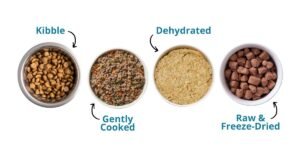
The best type of dog food is a nutritionally complete diet that matches your dog’s life stage and health requirements. You should prioritize products that meet the standards set by the Association of American Feed Control Officials for balanced canine nutrition.
Finding the best food type
- Look for an AAFCO statement on the label to ensure the food is nutritionally complete.
- Choose a formula designed for your dog’s specific life stage: puppy, adult, or senior.
- Check the ingredient list for a named protein source, such as chicken or beef, as the first item.
- Consult your veterinarian if your dog has known allergies, sensitive skin, or digestive issues.
- Store dry kibble in a cool, dry place inside its original bag to maintain freshness and safety.
- If you change your dog’s diet, mix the new food with the old one over 7 to 10 days.
Why Quality Standards Matter
The primary reason to select a specific type of food is to ensure your pet receives the correct balance of proteins, fats, vitamins, and minerals. Commercial diets are formulated by veterinary nutritionists to prevent deficiencies that can lead to long-term health problems. When you choose a reputable brand, you’re relying on rigorous testing rather than marketing claims.
The Association of American Feed Control Officials provides the regulatory framework that determines if a product is “complete and balanced.” This means the food contains all necessary nutrients in the correct proportions for a dog’s specific life stage. If a bag doesn’t carry this statement, it may be intended only for supplemental feeding and could cause health issues if used as a sole diet. Always check the back of the package for this specific verification before you buy.
When Your Dog Needs Something Else

Some dogs require specialized diets that differ from standard commercial offerings based on their health status or activity levels.
| Situation | What changes | What to do instead |
|---|---|---|
| Food allergies | Protein and grain sources | Use limited ingredient diets |
| Kidney disease | Phosphorus and protein levels | Buy vet-prescribed renal food |
| Weight management | Calorie density decreases | Feed low-fat, high-fiber options |
| High activity | Calorie and fat density | Choose high-performance working formulas |
| Puppy growth | Calcium and energy levels | Select puppy-specific growth food |
How to Feed Your Dog Properly
- Read the feeding guide on the back of the bag to determine the daily portion for your dog’s current weight.
- Use a standard measuring cup to ensure you provide the exact amount, as guessing often leads to overfeeding and weight gain.
- Divide the total daily amount into two equal meals to help with digestion and keep your dog feeling full longer.
- Place the food in a clean, stainless steel bowl that you wash with hot, soapy water after every use to prevent bacteria.
- Monitor your dog’s body condition, checking that you can feel their ribs without seeing them, and adjust the portion size if needed.
- Always provide a bowl of fresh, clean water nearby, as dry kibble contains very little moisture compared to a dog’s natural needs.
Common Mistakes That Ruin Nutrition
- Adding too many table scraps, which unbalances the carefully calculated nutrient ratios in the dog’s primary diet.
- Switching food brands too quickly, which often results in diarrhea or stomach upset for your pet.
- Ignoring the expiration date, as fats in the food can go rancid and make your dog ill.
- Storing kibble in plastic containers without the original bag, which removes the batch information needed during a safety recall.
Related guides
- What Are the Best Types of Dog Food for Your Pet Health
- What Is the Best Dog Food to Feed Your Pet for Health
- Does Dog Food Really Make a Difference for Your Pet Health
Frequently Asked Questions
Is grain-free food better for dogs?
No, grain-free food isn’t inherently better unless your dog has a medically diagnosed allergy to specific grains. Most dogs digest grains like rice or oats easily, and these provide necessary fiber and energy that are missing in some grain-free formulas.
How do I know if a food is safe?
You can confirm safety by checking the FDA website for current recalls or investigations. Reputable manufacturers perform regular quality testing, and you should avoid any brand that doesn’t provide clear contact information or transparency about where their food is manufactured.
How often should I change my dog’s food?
You shouldn’t change your dog’s food unless there’s a medical reason, such as an allergy or a change in life stage. Dogs thrive on consistency, and frequent switching can cause digestive distress without providing any real health benefit to your pet.
Can I feed my dog human food?
You can provide small amounts of plain human food like cooked chicken or green beans, but it should never exceed 10% of their daily calories. Most human food is too high in fat or salt for dogs, which can lead to obesity or serious conditions like pancreatitis.
How long does a bag of dry food last?
A bag of dry food typically stays fresh for about 4 to 6 weeks after you open it, provided you keep it sealed. If you can’t finish the bag within 6 weeks, buy a smaller size to prevent the fats from oxidizing and losing nutritional value.
Does the price of dog food indicate quality?
No, the price doesn’t always reflect quality, but very cheap foods often use lower-grade ingredients or lack rigorous testing. Look for the AAFCO statement and a reputable manufacturer instead of choosing food based solely on the price tag on the shelf.
Conclusion
Proper nutrition is the foundation of your dog’s health and longevity. By sticking to products that meet established standards and monitoring your dog’s weight, you give them the best chance at a long and active life. If you’re ever unsure about your dog’s specific needs, your veterinarian is the best source for personalized advice.