
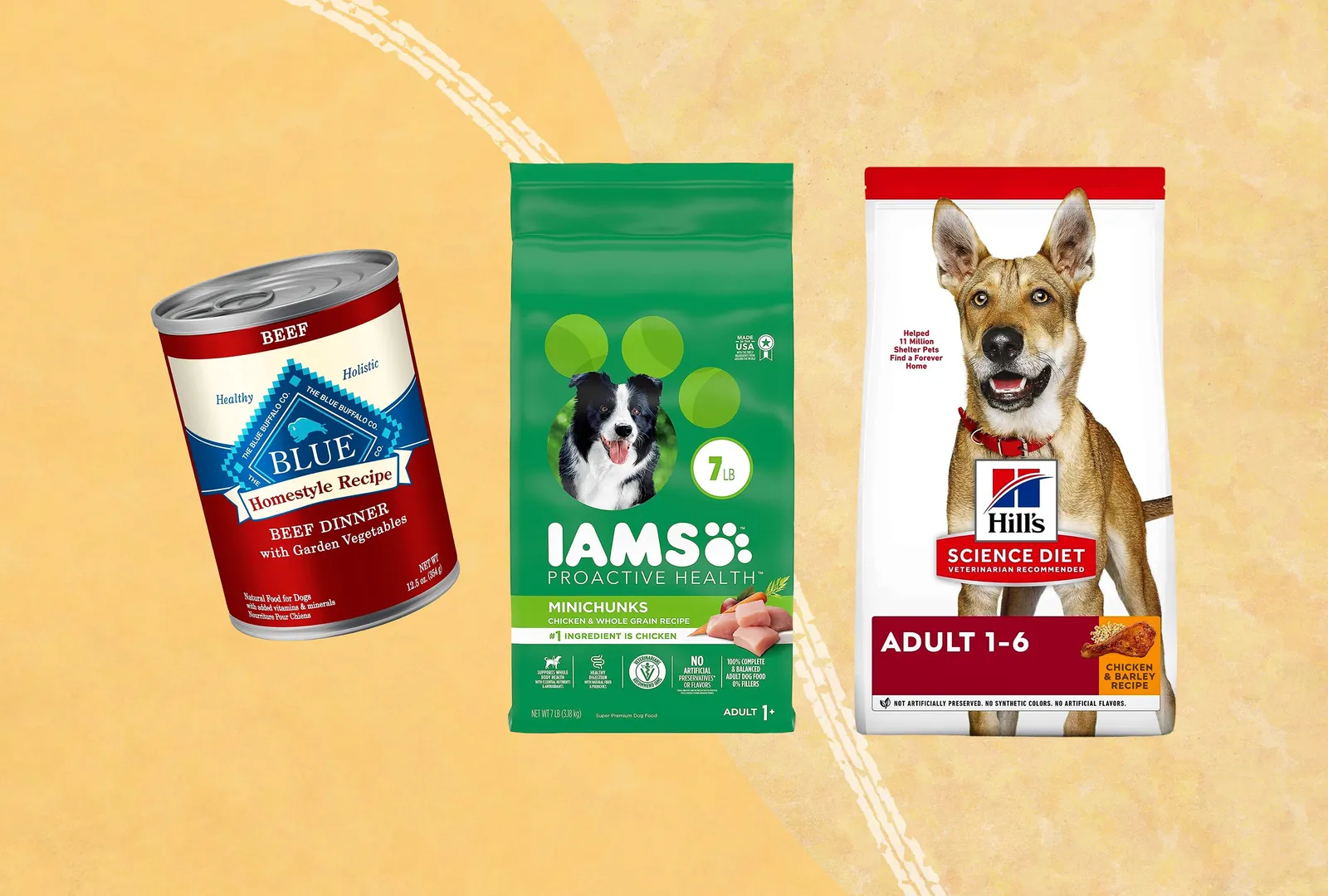
High-quality commercial dog food is the best option for most pets. You should look for labels that state the food is complete and balanced for your dog’s specific life stage, whether they’re a puppy, an adult, or a senior.
Finding balanced nutrition for your pet
Commercial diets labeled as “complete and balanced” provide the necessary vitamins, minerals, and proteins dogs need to thrive. These products undergo testing to ensure they meet the nutritional profiles established by the Association of American Feed Control Officials. If you choose to cook at home, you must consult a veterinary nutritionist to avoid dangerous nutrient deficiencies.
- Select products with a clear “complete and balanced” statement on the packaging.
- Match the food formula to your dog’s current life stage: puppy, adult, or senior.
- Avoid feeding human leftovers, as these often contain too much fat or salt.
- Monitor your dog’s weight and body condition regularly to adjust portion sizes.
- Ensure fresh, clean water is available at all times for your pet.
- Consult your veterinarian if your dog has specific health conditions or allergies.
Why balanced commercial food is essential
Dogs require a precise ratio of nutrients to maintain healthy organs, skin, and energy levels. While it’s tempting to feed them fresh ingredients, balancing a diet is complex.
Commercial manufacturers use specific formulas that account for the different metabolic needs of dogs based on their age and activity level. If you don’t provide a balanced diet, your dog may suffer from bone issues, poor coat quality, or metabolic disorders over time.
A professional veterinarian can help you interpret the label details if you’re unsure about a specific brand or ingredient list. Always check the packaging for the AAFCO adequacy statement, which serves as a baseline for the safety and nutritional quality of the food.
When dietary needs differ
Some dogs have unique requirements that go beyond standard commercial diets. If your pet has a health issue, their food needs will change significantly.
| Situation | What changes | What to do instead |
|---|---|---|
| Food allergies | Protein or grain sources | Use limited ingredient diets |
| Kidney disease | Phosphorus and protein levels | Use prescription veterinary diets |
| Obesity | Calorie density | Use weight management formulas |
| Puppy growth | Calcium and energy levels | Use puppy-specific growth food |
| Senior care | Joint support nutrients | Use senior-specific formulas |
How to choose good food for your dog
- Read the back of the bag to find the daily feeding guide based on your dog’s weight.
- Measure food accurately using a standard measuring cup, not a random bowl, to prevent overfeeding or underfeeding.
- Split the total daily amount into two meals to help with digestion and keep energy levels stable throughout the day.
- Introduce any new food gradually by mixing it with the old food over 7 to 10 days.
- Check your dog’s body condition by feeling their ribs; you should feel them easily without pressing hard.
- Adjust the portion size by 5% to 10% if your dog starts gaining or losing weight unintentionally.
- Store dry food in its original bag inside a sealed container to keep it fresh and free from pests.
The mistakes that ruin a diet
- Adding too many human treats causes obesity, which shortens a dog’s lifespan.
- Changing brands abruptly leads to digestive upset, causing vomiting or diarrhea in many dogs.
- Ignoring the serving size on the bag leads to rapid weight gain or malnutrition.
- Feeding “all life stages” food to a giant breed puppy can cause improper bone growth.
Frequently asked questions
Can I feed my dog raw meat?
Feeding raw meat carries a significant risk of bacterial contamination like Salmonella or Listeria. These pathogens can make both your dog and your family ill, so the safest choice is to feed commercially prepared, cooked, or processed foods.
How much should I feed my dog?
Follow the feeding chart on the product label as your starting point, then adjust based on your dog’s activity level and weight. If you aren’t sure, ask your veterinarian to calculate the exact calories your specific dog needs daily.
Is grain-free food better for dogs?
Grain-free food is only better if your dog has a medically diagnosed allergy to specific grains. There’s no scientific evidence that grains are harmful to healthy dogs, and many dogs thrive on diets that include high-quality grains like rice or oats.
How often should I change my dog’s food?
You don’t need to change your dog’s food frequently if they’re doing well on their current diet. If you do switch, always do it slowly over one week to avoid upsetting your dog’s stomach.
What human foods are toxic to dogs?
Grapes, raisins, onions, garlic, chocolate, and xylitol are highly toxic to dogs and should never be given. Keep these items strictly out of reach to ensure your pet stays safe from accidental ingestion.
Does my dog need supplements?
Most healthy dogs eating a balanced commercial diet don’t need extra supplements. Only add supplements if your veterinarian recommends them for a specific health condition, as too much of certain vitamins can be harmful.
Providing consistent, high-quality food is the simplest way to support your dog’s health for years. Monitor their weight and energy daily, and always consult your vet before making major changes to their nutrition plan.
Conclusion
If you’re ever unsure about your pet’s nutritional needs, don’t hesitate to chat with your local veterinarian. They’ll help you pick the perfect diet based on your furry friend’s unique health history. Making these small, thoughtful adjustments today will ensure your companion stays happy and energetic for many years to come.
Related guides