
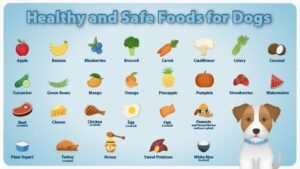
Fresh lean proteins, cooked vegetables, and specific grains are examples of foods that are good for dogs when served in moderation.
You must always introduce new foods slowly to avoid stomach upset. Start with a tiny amount to see how your dog reacts before making it a regular part of their diet.
The most common mistake owners make is feeding dogs human leftovers from a plate. These foods are often high in salt, fat, and spices, which can lead to pancreatitis or digestive distress.
Choosing Good Foods for Dogs
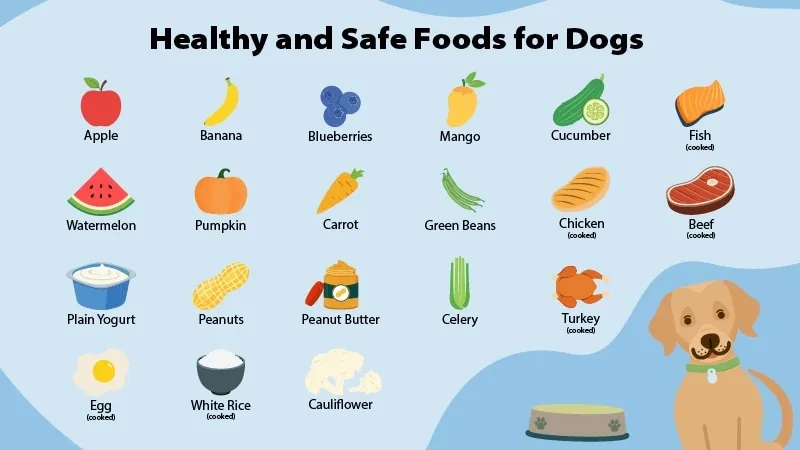
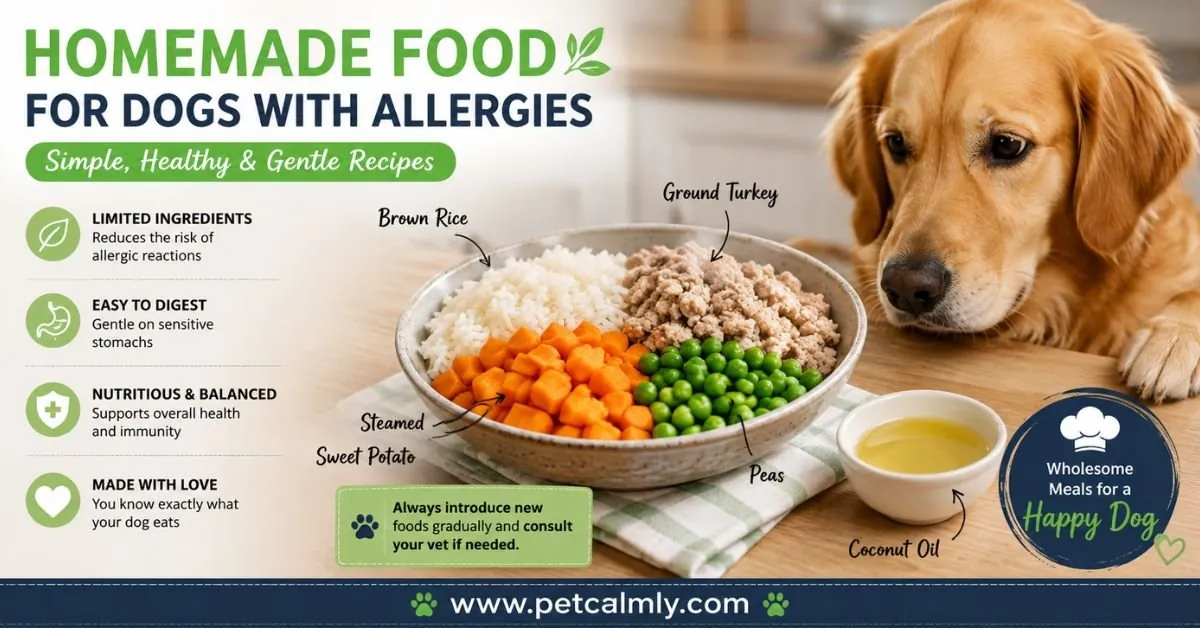
- Select a high-quality protein source like skinless chicken breast, lean ground beef, or white fish.
- Cook the meat thoroughly until it reaches an internal temperature of 165°F for poultry or 145°F for fish, ensuring no bones or skin remain.
- Steam plain vegetables such as carrots, green beans, or broccoli until they’re soft enough to mash easily.
- Add a small portion of cooked brown rice or plain oats if your dog needs extra fiber or energy.
- Mix these ingredients into your dog’s regular kibble rather than replacing the entire meal to keep their nutrition balanced.
Tip: Always remove all seeds, pits, and cores from fruits and vegetables, as these parts can cause choking or contain harmful toxins.
Tip: If you’re unsure about a specific food, consult your veterinarian to verify if it’s safe for your dog.
Time Estimates for Food Preparation
Preparing fresh food takes time, and the duration varies based on the method and quantity you choose to cook. This table assumes you’re preparing a single serving for a medium-sized dog using standard kitchen tools.
| Method | Prep Time | What changes it | What to watch for |
|---|---|---|---|
| Steaming Veggies | 10 minutes | Amount of produce | Softness of the texture |
| Boiling Meat | 15 minutes | Meat thickness | Internal temperature |
| Cooking Grains | 20 minutes | Grain variety | Water absorption |
If the cooking process takes significantly longer than listed, verify your heat settings or the size of the food pieces. Large chunks of meat or dense grains naturally require more time to cook through safely.
Assessing When Food Is Ready
You can tell food is ready by checking the texture and internal temperature. Meat should be firm and opaque throughout, with no pink or translucent areas remaining. Vegetables should be tender enough to pierce easily with a fork, which makes them much easier for a dog to digest. If you’re using a meat thermometer, always verify the internal heat reaches the safe levels noted above. If the signs conflict, rely on the thermometer reading as the final authority.
Common Nutritional Errors to Avoid
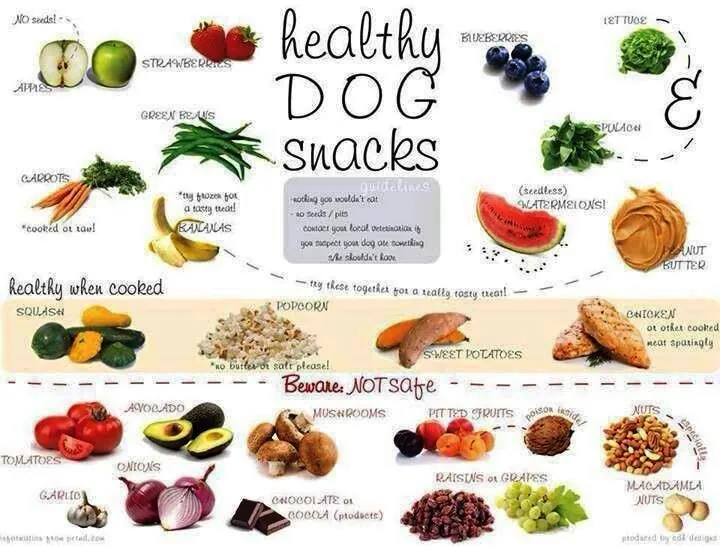
- Feeding raw onions or garlic: These ingredients contain compounds that damage a dog’s red blood cells and cause anemia. Always keep these items completely out of your dog’s reach to prevent accidental ingestion.
- Using excessive salt or spices: Added flavorings put unnecessary stress on a dog’s kidneys and can cause dangerous dehydration. Stick to plain, unseasoned ingredients to keep your dog healthy.
- Including cooked bones: These become brittle and can splinter in a dog’s throat or stomach, causing severe internal injuries. Remove every bone before serving any meat to your pet.
- Ignoring portion control: Even healthy foods become harmful if they lead to obesity or nutritional imbalances. Keep human-grade additions to less than 10% of your dog’s total daily calories.
Frequently asked questions
Can dogs eat plain white rice?
Yes, dogs can eat plain white rice when it’s fully cooked and served without butter or salt. It’s often recommended by vets to help settle an upset stomach because it’s easy to digest. Ensure it’s cooled to room temperature before offering it to your pet.
How much cooked chicken can I give my dog?
You should limit chicken to small portions, typically no more than 10% of their daily caloric intake. This helps ensure your dog still gets the balanced nutrients found in their primary commercial food. Always monitor your dog for any signs of allergies or digestive changes after the first serving.
Is it safe to feed dogs raw eggs?
No, it isn’t recommended to feed raw eggs due to the risk of Salmonella or E. coli bacteria. Cooking the eggs thoroughly eliminates these risks and makes the protein easier for your dog to absorb. Always serve them plain without any oil or seasoning.
What happens if my dog eats grapes?
Grapes and raisins can cause sudden kidney failure in dogs, even in very small amounts. If you suspect your dog has eaten any, contact your veterinarian immediately for professional guidance. Don’t wait for symptoms to appear, as early treatment is critical for your dog’s safety.
How often can I give my dog carrots?
You can give your dog a few slices of raw or steamed carrots as a treat several times a week. They’re low in calories and provide a good crunch that many dogs enjoy. Always chop them into bite-sized pieces to prevent choking, especially for smaller dog breeds.
Can dogs eat cooked sweet potatoes?
Yes, dogs can eat cooked sweet potatoes as they’re a great source of fiber and vitamins. They must be peeled, boiled or baked until soft, and served without any butter, sugar, or spices. Only offer small amounts, as they’re high in carbohydrates and can contribute to weight gain.
Conclusion
Feeding your dog fresh food is a great way to provide variety, but it should never replace their complete and balanced diet. Always keep a close eye on their weight and energy levels to ensure they stay healthy. If you notice any unusual behavior or stomach issues after trying new foods, stop feeding them immediately and contact your local veterinarian for advice.