

Giving your dog appropriate food involves balancing high-quality commercial nutrition with safe, wholesome human food additions that support long-term health. Most dogs thrive on a diet that’s roughly 80% to 90% balanced commercial kibble or wet food, with the remaining 10% reserved for nutritious treats or supplemental toppers. Providing the right fuel ensures your companion maintains an ideal weight and keeps their coat and internal systems functioning at their peak.
Key Takeaways
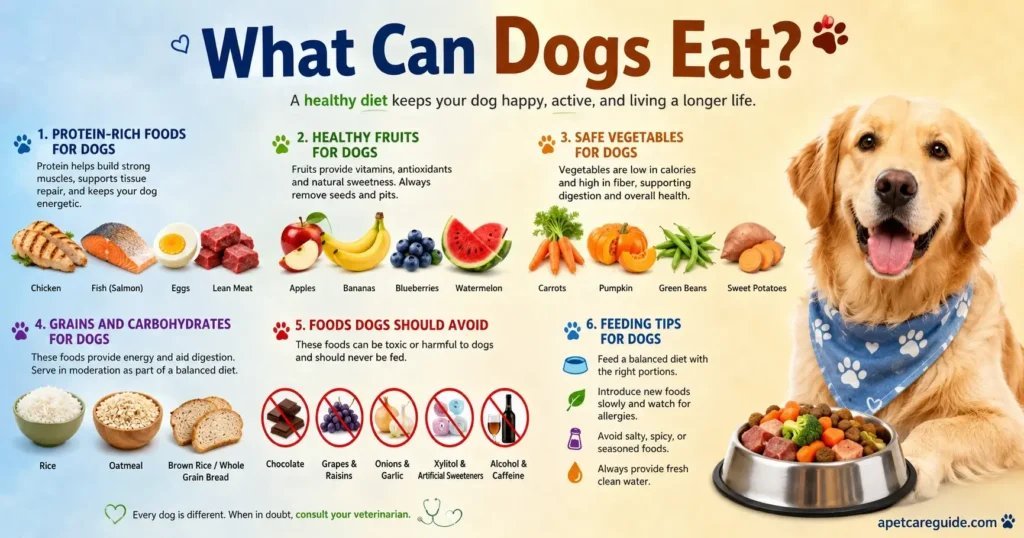
- Always prioritize AAFCO-approved commercial dog foods as the primary nutritional foundation.
- Avoid toxic foods like grapes, onions, garlic, chocolate, and anything containing xylitol.
- Introduce any new food item in small quantities to monitor for digestive upset.
- Consult your veterinarian before making radical changes to a dog’s current diet.
- Clean water should be accessible at all times to aid digestion and hydration.
What To Give My Dog To Eat
When choosing what to give your dog to eat, prioritize whole foods that offer specific nutritional benefits. Lean proteins are essential for muscle maintenance, while fiber-rich vegetables support healthy digestion. Always ensure that any human food provided is prepared without salt, seasonings, oils, or butter, as these additives can cause pancreatitis or sodium toxicity in pets.
Safe Human Foods for Dogs
Incorporating fresh foods can increase the variety of vitamins and minerals your pet receives. The following list represents generally safe options when served in moderation:
- Cooked Pumpkin: Excellent for digestive health and soothing upset stomachs.
- Blueberries: Packed with antioxidants and low in calories.
- Carrots: Great for dental health and providing a satisfying crunch.
- Green Beans: A low-calorie filler that helps with weight management.
- Cooked Chicken Breast: A high-protein, easily digestible treat for picky eaters.
Nutritional Comparison Table
Understanding the role of different food groups helps you create a balanced daily intake for your pet.
| Food Category | Primary Benefit | Serving Frequency |
|---|---|---|
| Commercial Kibble | Complete daily nutrition | Every meal |
| Lean Proteins | Muscle repair | Daily/Occasional |
| Fresh Vegetables | Fiber and vitamins | Occasional |
| Healthy Fats | Skin and coat health | Minimal additions |
Foods To Avoid At All Costs
Some common household items are highly dangerous to dogs and must be kept strictly out of reach. Ingestion of even small amounts of these substances can lead to emergency veterinary visits or organ failure.
- Chocolate and Caffeine: Contain methylxanthines that cause heart arrhythmias.
- Onions and Garlic: These damage red blood cells and cause anemia.
- Xylitol: An artificial sweetener found in gum that causes rapid insulin release.
- Alcohol and Yeast Dough: Can lead to dangerous blood sugar drops and intoxication.
How Much Should My Dog Eat?

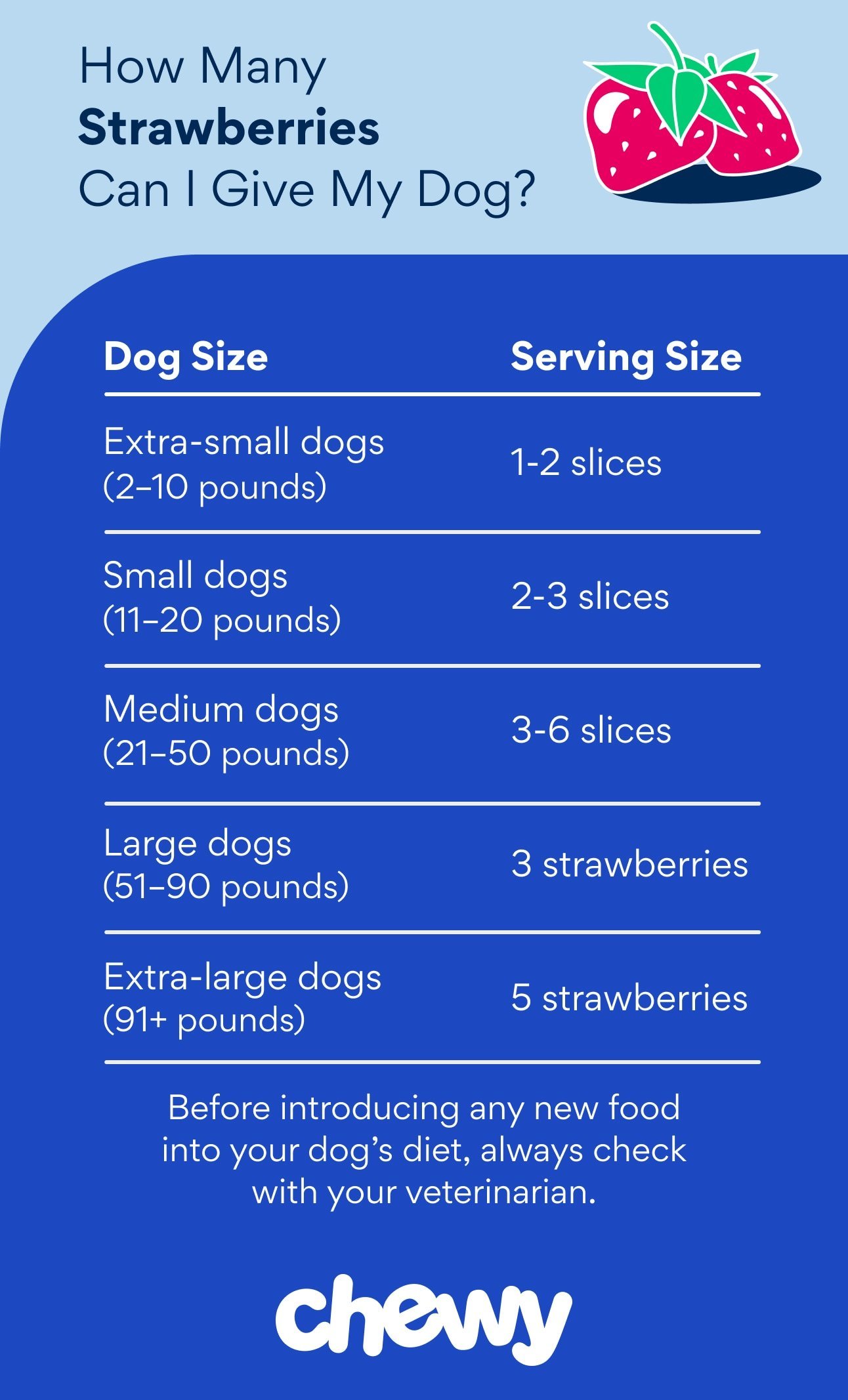
Determining portions is a matter of calculating the dog’s life stage, activity level, and caloric requirements. A typical adult dog requires between 20 and 30 calories per pound of body weight daily. Always use a standard measuring cup to ensure accuracy rather than eyeballing portions, as overfeeding is a leading cause of obesity-related health issues in domestic pets.
Establishing A Feeding Schedule
Consistency in meal timing helps regulate a dog’s metabolism and makes housebreaking easier for puppies. Most experts recommend two distinct meals per day, spaced roughly 8 to 12 hours apart. This routine prevents blood sugar spikes and allows the owner to monitor if the dog has lost their appetite, which is often an early indicator of illness.
Can Dogs Eat Raw Food?
The debate regarding raw versus cooked diets centers on the risk of bacterial contamination. If you choose to offer raw meat, you assume the risk of salmonella or E. coli exposure, which can affect both your dog and your family members. If you prefer this approach, ensure you follow strict hygiene protocols and verify the nutritional balance with a veterinary nutritionist to prevent dangerous deficiencies.
Transitioning Between Different Food Brands
When switching your dog to a new brand, always use a gradual transition method to prevent diarrhea or vomiting. Start by mixing 25% new food with 75% old food for two days. Then, move to a 50/50 split for two days, followed by 75% new food for two days. By the seventh day, your dog should be fully adjusted to the new formulation without digestive stress.
Signs Of Food Allergies
If your dog exhibits chronic itching, ear infections, or skin redness, they may have a food sensitivity. Common allergens include beef, dairy, wheat, or chicken. To identify the culprit, many veterinarians suggest a limited-ingredient diet where you feed only one protein and one carbohydrate source for six to eight weeks to see if symptoms subside.
Choosing High-Quality Commercial Options
When scanning ingredient labels, look for a named protein source as the first ingredient, such as deboned chicken or lamb meal. Avoid foods that rely heavily on fillers like corn gluten meal or excessive soy, as these provide lower-quality protein compared to animal-based sources. Always check for a statement verifying the product meets the nutritional standards set by the Association of American Feed Control Officials.
Frequently Asked Questions
How do I know if my dog is overweight?
You should be able to feel your dog’s ribs easily without pressing hard, and they should have a visible waistline when viewed from above. If you can’t feel the ribs through a layer of fat or if the belly appears rounded rather than tucked, your dog may be carrying excess weight. Consult your vet to determine a safe caloric reduction plan.
Is it safe to feed my dog table scraps?
Feeding table scraps is generally discouraged because human food often contains high levels of fat, salt, and seasonings that are harmful to dogs. If you must share, stick to plain, unseasoned vegetables or lean proteins. Never feed your dog from the table, as this encourages begging behavior and makes it difficult to track exactly how much they have consumed.
Can I give my dog supplements?
Most dogs eating a high-quality, balanced commercial diet don’t require extra supplements. However, older dogs may benefit from glucosamine and chondroitin for joint health, while others might need omega-3 fatty acids for skin support. Always speak with your veterinarian before adding supplements, as improper dosing can lead to toxicity or interfere with the absorption of essential nutrients.
How often should I change my dog’s food?
You don’t need to change your dog’s food regularly if they’re healthy, energetic, and maintaining a good weight. Many dogs do well on the same high-quality food for years. Only change their diet if your veterinarian recommends it for a specific health issue, if they reach a new life stage, or if the current food is causing persistent digestive or skin issues.
Maintain a consistent routine by measuring portions and sticking to high-quality, vet-approved ingredients to ensure your dog thrives. If you notice any sudden changes in behavior or digestion after a meal, consult your veterinarian immediately to rule out underlying issues. Start by auditing your current food label today to confirm it contains a high-quality, named protein source.