
Providing dogs with a balanced diet involves selecting high-quality commercial kibble or preparing wholesome, human-grade meals that meet specific nutritional profiles. A healthy dog needs a precise balance of proteins, fats, carbohydrates, vitamins, and minerals to maintain energy levels and support organ function. While commercial options are convenient, understanding the components of a canine diet ensures your pet receives the necessary fuel for a long and active life.
Key Takeaways
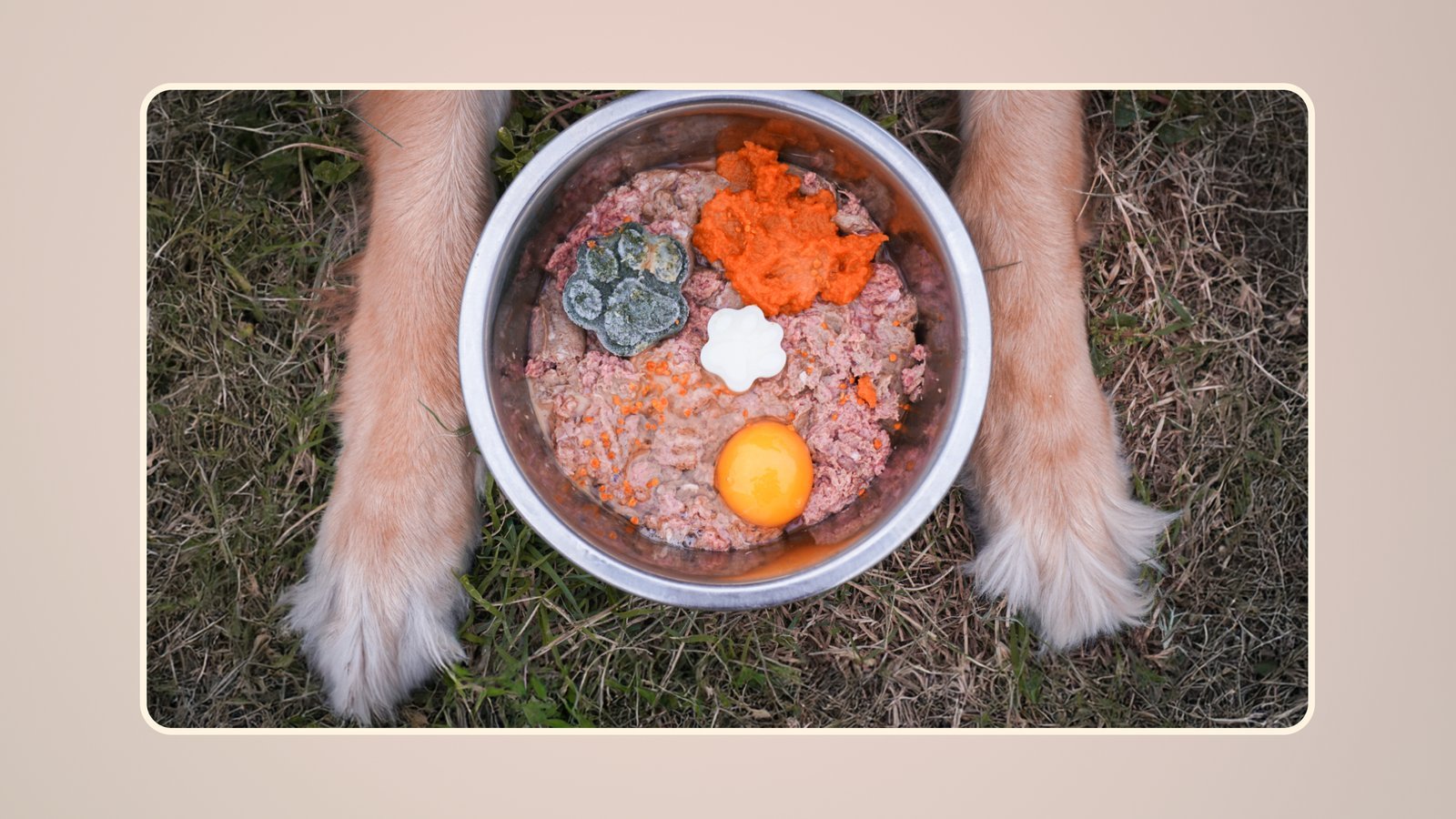
- Prioritize lean protein sources like chicken, turkey, or fish to build strong muscle mass.
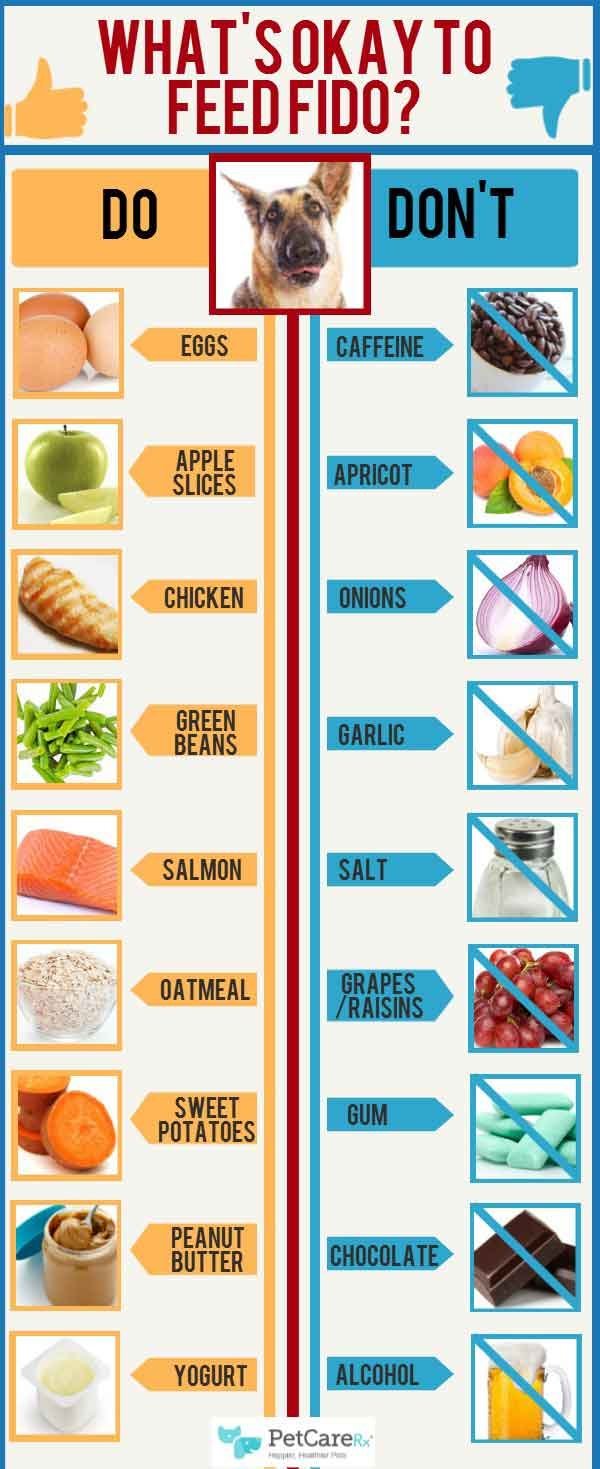
- Avoid toxic ingredients like onions, garlic, grapes, and chocolate, which cause severe health issues.
- Consult your veterinarian before making major dietary changes or introducing new supplements to the dog.
- Measure portions accurately to prevent obesity and maintain a healthy body condition score.
- Ensure constant access to fresh, clean water to support digestion and metabolic health.
Understanding Canine Nutritional Requirements
Dogs are facultative carnivores, meaning they thrive on a diet primarily consisting of animal-based proteins but can digest some plant matter. The Association of American Feed Control Officials establishes the standard nutritional profiles that reputable pet food manufacturers must follow to ensure complete and balanced meals. Providing a consistent nutritional foundation prevents deficiencies that often lead to lethargy, poor coat quality, and weakened immune systems in domestic animals.
Safe Human Foods for Dogs
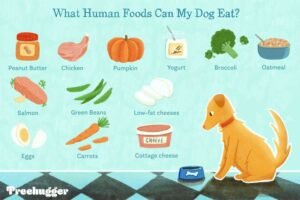
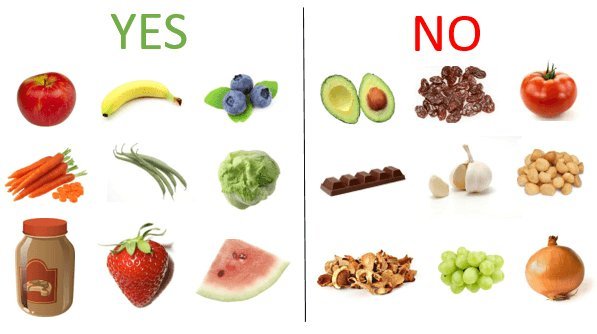
Many items found in your kitchen are perfectly safe and healthy for dogs when served in moderation. These snacks should never exceed ten percent of your dog’s total daily caloric intake.
| Food Item | Nutritional Benefit | Preparation Method |
|---|---|---|
| Carrots | Rich in beta-carotene | Raw or steamed sticks |
| Blueberries | High in antioxidants | Washed, fresh or frozen |
| Pumpkin | Aids digestive regularity | Plain, canned, no additives |
| Lean Chicken | Provides essential amino acids | Boiled, skinless, boneless |
| Green Beans | Low-calorie fiber source | Fresh or steamed, unseasoned |
Toxic Foods to Always Avoid
Certain common household foods contain compounds that are poisonous to canines. Even small quantities can cause life-threatening reactions, including kidney failure, neurological damage, or severe gastrointestinal distress. Always keep these items stored securely away from your pet:
- Chocolate and Caffeine: Contain methylxanthines that trigger dangerous heart rate increases.
- Grapes and Raisins: Linked to sudden, acute kidney failure in some dogs.
- Onions, Garlic, and Chives: Damage red blood cells, potentially leading to hemolytic anemia.
- Xylitol: An artificial sweetener found in sugar-free gum that causes rapid, fatal drops in blood sugar.
- Macadamia Nuts: Induce tremors, weakness, and hyperthermia in dogs.
What to Give Dogs to Eat
When selecting a primary diet, you must decide between commercial dry kibble, wet canned food, or home-cooked meals. Commercial diets are formulated to be “complete and balanced,” meaning they contain all necessary nutrients. If you choose to cook for your dog, you must work with a veterinary nutritionist to ensure you aren’t creating a nutritional imbalance that could harm your pet over time.
Evaluating Commercial Dog Food Brands
Look for brands that undergo rigorous testing and meet global safety standards. Reliable manufacturers often provide transparent sourcing information. Popular options include:
- Royal Canin: Known for breed-specific and life-stage-specific formulas.
- Purina Pro Plan: Frequently recommended by veterinarians for high-quality research.
- Hill’s Science Diet: Focuses on clinically proven nutrition for specific health needs.
- Orijen: Emphasizes high-protein, biologically appropriate ingredient lists.
How Much Should Dogs Eat?
Portion sizes depend on your dog’s age, weight, activity level, and metabolic rate. A sedentary senior dog requires significantly fewer calories than a working breed or an active puppy. Use the feeding guidelines on the back of your dog food bag as a starting point, then adjust based on your dog’s body condition. If you can feel the ribs without excess fat covering them, the weight is likely ideal. Monitoring weight trends is essential for long-term health.
Tips for Introducing New Foods
Abrupt dietary changes often cause digestive upset, including vomiting or diarrhea. Always transition your dog to a new diet over a period of seven to ten days.
- Days 1–3: Mix 25% new food with 75% old food.
- Days 4–6: Mix 50% new food with 50% old food.
- Days 7–9: Mix 75% new food with 25% old food.
- Day 10: Feed 100% new food.
Warning: If your dog displays signs of allergic reaction, such as persistent itching, ear infections, or hives during a transition, stop the new food immediately and contact your veterinarian to discuss potential food sensitivities.
Can Dogs Eat Table Scraps?
While it’s tempting to share your dinner, table scraps are often high in fat, salt, and seasonings that cause pancreatitis or obesity. If you want to share, stick to plain, unseasoned vegetables or lean proteins. Never feed your dog cooked bones, as these are brittle and can splinter, causing severe internal damage to the digestive tract. Safe feeding practices ensure your dog avoids unnecessary medical emergencies related to human food consumption.
Frequently Asked Questions
Can dogs eat peanut butter safely?
Yes, but you must check the label first. Only give your dog plain, unsalted peanut butter that doesn’t contain xylitol. This artificial sweetener is extremely toxic to dogs even in small amounts. Always ensure the product only contains peanuts and potentially a small amount of oil, avoiding any additives like salt or sugar whenever possible to keep your pet healthy.
Is it okay to feed dogs eggs?
Yes, cooked eggs are an excellent source of protein for dogs. They should be served plain, either boiled or scrambled, without butter, oil, or seasonings. Avoid feeding raw eggs due to the potential risk of salmonella or biotin deficiency, which can occur if raw egg whites are consumed in large quantities over a long period.
How often should puppies eat?
Puppies have high energy requirements and small stomachs, so they should eat three to four smaller meals throughout the day. As they reach adulthood, usually around twelve months of age, most dogs can transition to two meals per day. Always follow the specific feeding schedule recommended by your vet based on your puppy’s breed and growth rate.
Should dogs have a grain-free diet?
Unless your veterinarian has diagnosed a specific grain allergy, there’s no medical evidence that grain-free diets are superior for the average dog. In fact, some studies have investigated potential links between certain grain-free formulas and heart issues. It’s generally safer to feed a balanced diet that includes high-quality grains unless a medical professional advises otherwise for your specific dog.
What are signs of food allergies?
Common signs include chronic ear infections, obsessive paw licking, hair loss, and frequent skin rashes. If you notice these symptoms, don’t attempt to diagnose the allergy yourself. A veterinarian will likely suggest a strict food trial using a hydrolyzed protein diet to identify the specific trigger, which is the only reliable way to confirm a dietary allergy.
Establish a consistent feeding routine today by choosing a high-quality, life-stage-appropriate diet that fits your dog’s activity level. Start by measuring every meal to prevent overfeeding, and keep a log of any new treats to monitor for sensitivities. If you’re unsure about specific ingredients, always consult your local veterinarian before making permanent changes to your pet’s daily nutrition plan.