
The healthiest canine diet is a commercially balanced food formulated for your pet’s life stage, supplemented with safe, unseasoned whole foods. Feeding a canine requires a careful balance of animal proteins, digestible carbohydrates, healthy fats, and vital micronutrients.
Key Takeaways

- Commercial foods bearing an AAFCO nutritional adequacy statement should provide at least 90% of your dog’s daily caloric intake.
- Lean cooked proteins like skinless chicken breast, ground turkey, and scrambled eggs provide safe, immediate meal options.
- The 10% treat rule protects dogs from nutrient deficiencies, obesity, and acute stomach upset.
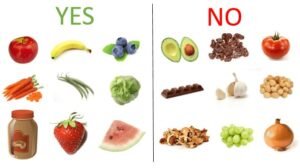
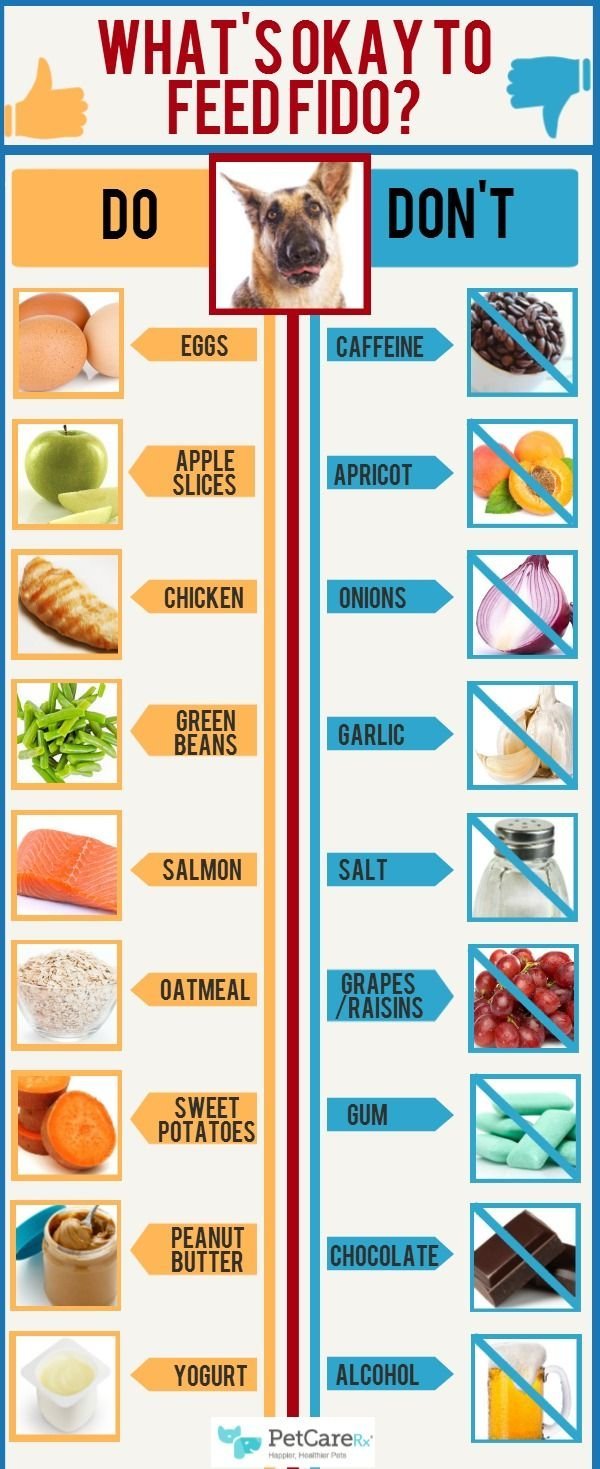
- Toxic pantry staples include onions, garlic, grapes, raisins, macadamia nuts, and anything containing the artificial sweetener xylitol.
- An emergency meal of boiled white breast meat and plain white rice settles acute digestive distress.
Core Nutritional Needs for Dogs
Canines are omnivores with a biological drive toward animal-based protein. Their daily diet must supply balanced ratios of macronutrients and micronutrients.
Every balanced meal must provide complete animal proteins featuring essential amino acids like arginine and lysine. Finally, essential minerals like calcium and phosphorus must exist in a strict 1:1 to 1.2:1 ratio to prevent skeletal breakdown.
| Nutrient Category | Primary Function | Ideal Whole Food Sources |
|---|---|---|
| Crude Protein | Muscle repair, tissue growth, enzymes | Chicken breast, turkey, beef, eggs |
| Healthy Fats | Hormone balance, cellular insulation | Salmon oil, flaxseed, chicken fat |
| Carbohydrates | Sustained energy, gut motility | White rice, sweet potatoes, oatmeal |
| Vitamins & Minerals | Immune response, bone density | Pumpkin, steamed carrots, broccoli |
What to Give a Dog to Eat
Most of your pet’s diet should come from veterinary-formulated commercial food. Trusted retail brands like Purina Pro Plan, Hill’s Science Diet, and Royal Canin manufacture dry kibble and canned wet options tailored to size, age, and metabolic activity.
Check commercial food packaging for AAFCO certification. This statement confirms the product is complete and balanced. Canned food provides hydration, while dry kibble offers concentrated energy.
Safe Human Foods You Can Share
Fresh whole foods are rewarding, low-calorie additions when prepared plain.
- Boiled chicken breast: Skinless, boneless white poultry delivers pure protein without excess saturated fat.
- Canned pumpkin puree: Plain squash provides soluble fiber that firms up loose stools and relieves constipation.
- Plain scrambled eggs: A single egg delivers high biological value protein along with vitamin A and riboflavin.
- Fresh green beans: Raw or steamed beans offer a filling, crunch-heavy snack ideal for weight management.
- Cooked sweet potatoes: Baked sweet potato provides beta-carotene, vitamin C, and easily digestible starches.
- Blueberries and sliced apples: These fruits supply potent cellular antioxidants; always discard the apple seeds and core.
Pro Tip: Slice fresh vegetables and crunchy fruits into bite-sized pieces matching your dog’s mouth width to prevent choking, especially in brachycephalic breeds like pugs and bulldogs.
Preparing an Emergency Home-Cooked Meal
For mild diarrhea, switch to a bland diet.
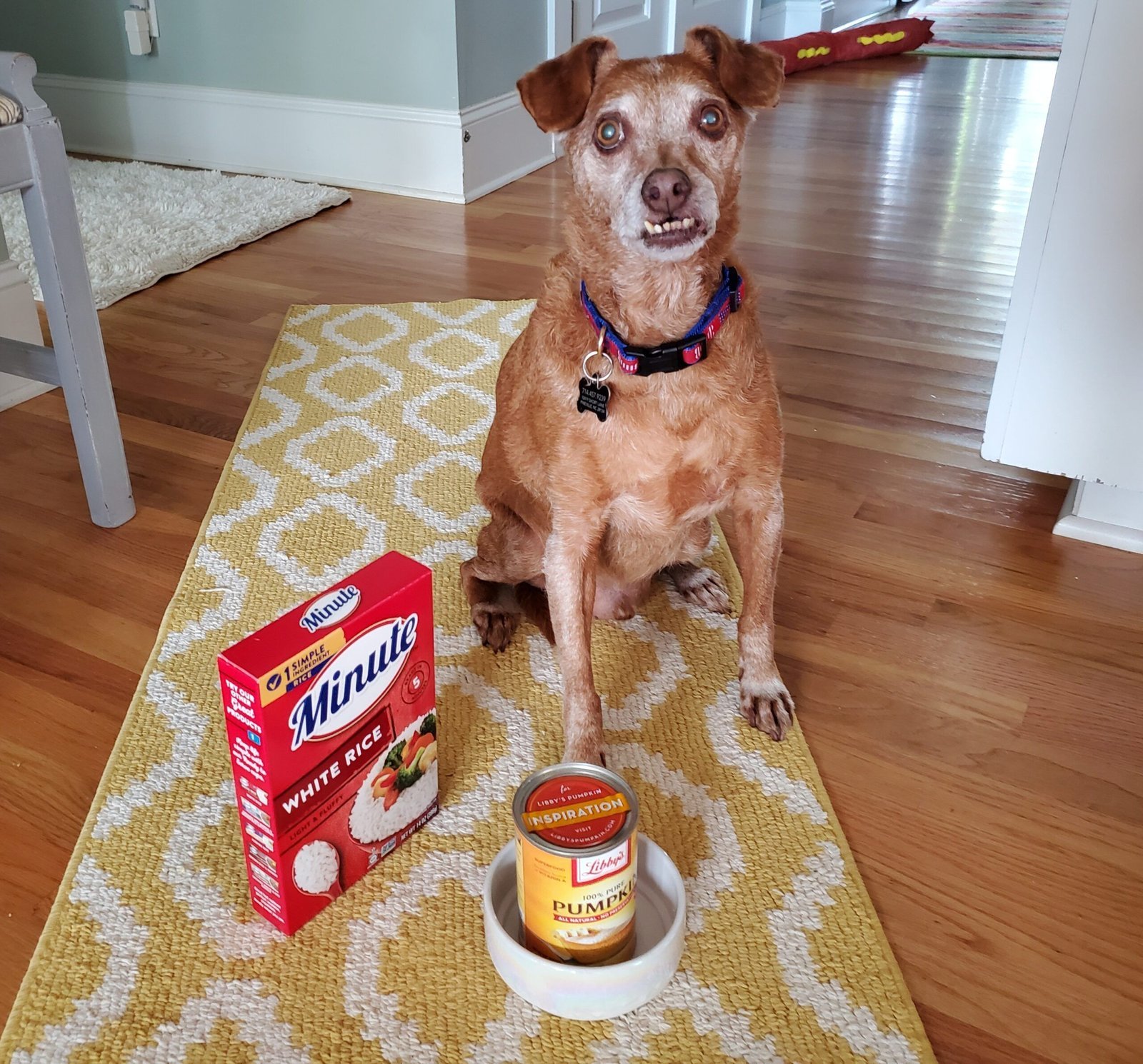
Combine two parts boiled white rice with one part shredded white chicken breast. Avoid brown rice or wild rice during digestive upsets, as the extra husk fiber irritates inflamed intestines. Feed this mixture in three to four small portions across the day rather than one large feeding.
Warning: Don’t feed a home-cooked bland diet for longer than three consecutive days without veterinary oversight, as it lacks vital micronutrients like calcium, zinc, and vitamin D.
Toxic Foods to Never Feed
Certain human ingredients cause organ failure, blood destruction, or neurotoxicity in canines.
| Toxic Item | Damaging Agent | Medical Consequence |
|---|---|---|
| Grapes and Raisins | Tartaric acid | Sudden, irreversible kidney failure |
| Onions and Garlic | N-propyl disulfide | Destroys red blood cells (hemolytic anemia) |
| Chocolate and Cocoa | Theobromine and caffeine | Arrhythmias, internal bleeding, fatal seizures |
| Xylitol (Birch Bark Extract) | Synthetic sweetener | Severe hypoglycemia and acute liver failure |
| Macadamia Nuts | Unknown plant toxin | Hind-limb weakness, tremors, hypothermia |
| Cooked Animal Bones | Brittle bone matrix | Gut perforation, airway blockage, impaction |
How Much Should You Feed?
Portion size depends on body condition, age, and lifestyle. Sedentary dogs need less energy than working breeds.
Calculate portions using the bag’s chart, then adjust for body condition. You should easily feel your dog’s ribs without a heavy fat pad. Extra snacks and training treats must never exceed 10% of total daily calories. The remaining 90% must always come from a nutritionally complete diet.
Warning: Commercial dry foods vary widely in energy density; one measuring cup can range from 320 to 500 calories, so always weigh portions with a kitchen gram scale for precision.
Transitioning to a New Daily Diet
Abrupt food changes cause vomiting and diarrhea.
Transition your dog to any new food brand or formula slowly over a seven-day timeline. Blend the new diet into the old food using this simple schedule:
- Days 1 and 2: 75% old food blended with 25% new food.
- Days 3 and 4: 50% old food blended with 50% new food.
- Days 5 and 6: 25% old food blended with 75% new food.
- Day 7 onward: 100% new diet.
Related guides
- What Is the Healthiest Food for Dogs to Eat: A Guide
- What Food I Can Give to My Dog: Safe Human Food List
- What Food Can We Give to Dogs: Safe Human Foods List
Frequently Asked Questions
Can dogs eat raw meat safely?
Raw meat diets carry documented contamination risks from Salmonella, Listeria, and E. coli. These pathogens sicken pets and shed into living spaces, endangering human family members. Raw diets also frequently suffer from severe calcium-to-phosphorus imbalances unless designed by a board-certified veterinary nutritionist. Most veterinarians recommend feeding thoroughly cooked fresh meats or regulated commercial diets instead.
Can I give my dog plain white bread?
Plain white or wheat bread is safe for healthy dogs as an occasional treat, provided your pet has no wheat allergies. Bread contains concentrated carbohydrates that add unnecessary calories without significant vitamins or proteins. Never feed raw yeast dough: the warm stomach environment causes the dough to expand, producing toxic ethanol and causing life-threatening gastric dilation-volvulus.
Is cheese a safe treat for dogs?
Most dogs enjoy small cubes of mild cheese. However, adult dogs are often mildly lactose intolerant. Feed cheese sparingly as a high-value training reward or pill-hiding vehicle. High fat levels in cheese can trigger painful pancreatitis in susceptible breeds.
What should I do if my dog skips a meal?
A healthy adult dog skipping a single meal while remaining alert doesn’t require emergency care. Pick up the food bowl after twenty minutes and offer a fresh portion at the next scheduled feeding. If meal skipping continues past twenty-four hours, or if you notice lethargy, repeated vomiting, or diarrhea, contact your veterinarian immediately.
When you’re ready to introduce new snacks, start with tiny portions to see how your dog’s tummy handles them. Always chat with your vet before making big changes to their bowl. They’ll help you create a plan that keeps your best friend feeling happy, energetic, and healthy for many years.