
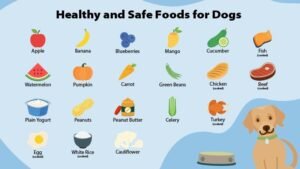
Feeding your dog a balanced, nutrient-dense diet is the single most important factor in ensuring their long-term health and vitality. Providing the right fuel requires understanding your pet’s specific needs based on their life stage, activity level, and weight, ensuring they receive a proper balance of proteins, fats, and essential minerals daily.
Key Takeaways

- Consult your veterinarian to determine your dog’s specific caloric needs.
- Prioritize diets containing high-quality animal-based proteins as the first ingredient.
- Avoid feeding human foods like grapes, onions, or chocolate.
- Always ensure your dog has access to fresh, clean water.
- Monitor your dog’s body condition score to prevent obesity.
What to feed to dogs
High-quality commercial dog food is formulated to meet nutritional standards for dogs established for complete and balanced nutrition. Whether you choose kibble, canned, or raw options, the label should explicitly state that the product meets these requirements.
| Food Type | Pros | Cons |
|---|---|---|
| Dry Kibble | Convenient, dental benefits | Lower moisture content |
| Wet Canned | Highly palatable, hydrating | Shorter shelf life |
| Fresh Frozen | Minimally processed, tasty | Expensive, requires storage |
Essential Nutrients for Canines
Every healthy meal must contain a precise ratio of macronutrients. Proteins build muscle, fats provide energy, and carbohydrates offer fiber for digestion.
Protein Sources
Look for named meat sources like chicken, beef, or salmon. Avoid generic “meat meal” labels.
- Lean chicken breast
- Ground turkey
- White fish
Fat and Fiber
Healthy fats support coat health, while fiber promotes regular digestion.
- Fish oil (Omega-3s)
- Sweet potatoes
- Brown rice
Foods to avoid completely
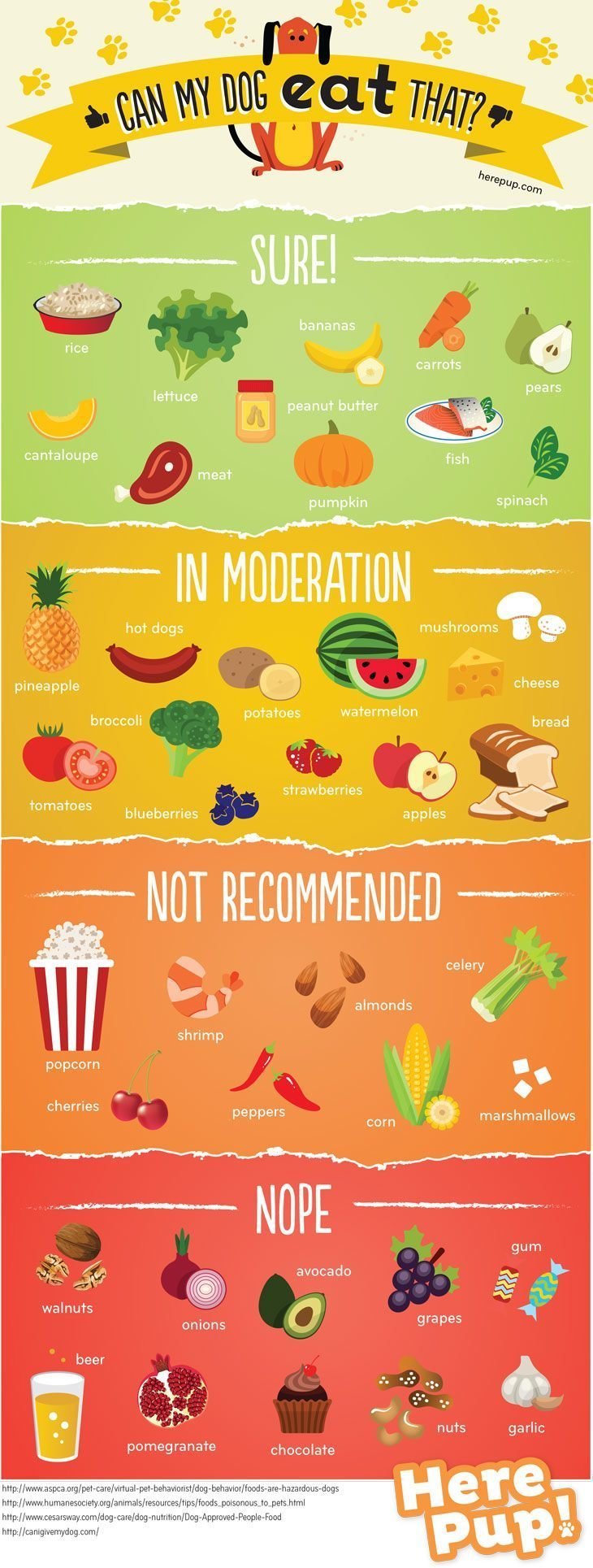
Some common pantry items can be toxic. Warning: Always keep these items securely stored away from your pet:
- Grapes and raisins
- Onions and garlic
- Macadamia nuts
- Xylitol (artificial sweetener)
How much should they eat?
Feeding amounts vary wildly based on age and metabolism. Use the following guide for daily quantities.
| Dog Size | Weight Range | Daily Calorie Range |
|---|---|---|
| Small | 5–20 lbs | 200–600 kcal |
| Medium | 21–50 lbs | 650–1,200 kcal |
| Large | 51–100+ lbs | 1,300–2,000+ kcal |
Establishing a Feeding Schedule
Consistency is key. Adult dogs generally thrive on two meals per day, while puppies require three or four to support rapid growth.
Pro Tip: Use a measuring cup rather than eyeballing portions to prevent accidental overfeeding, which is the leading cause of canine obesity.
Related guides
- What Should Dogs Be Fed: A Guide to Balanced Canine Nutrition
- What Should We Feed Our Dogs: A Guide to Balanced Nutrition
- What to Feed the Dog: A Guide to Balanced Canine Nutrition
Frequently Asked Questions
Can dogs eat human food?
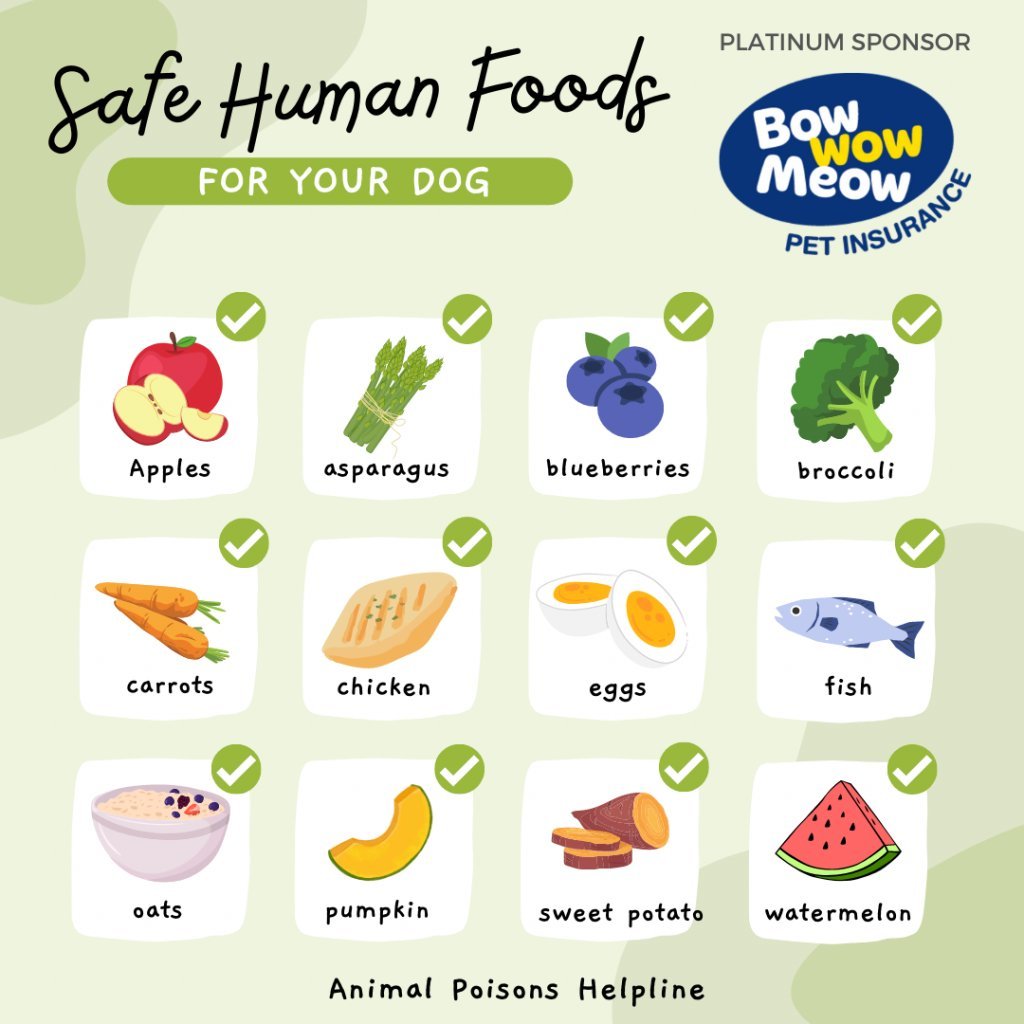
Some human foods like plain cooked chicken or carrots are safe as occasional treats. However, many human foods contain seasonings or ingredients like onions that are toxic to dogs. Never provide scraps from the table, as this encourages begging and can lead to dangerous weight gain or accidental ingestion of harmful substances. Always consult your vet before introducing new human foods into their diet.
How often should I change food?
You don’t need to change your dog’s food unless they have a medical issue or a specific sensitivity. If you do switch brands, always transition over seven to ten days by mixing the old and new food. This gradual change helps prevent gastrointestinal upset, diarrhea, or vomiting. Sudden changes in diet are a common cause of stomach distress in dogs.
Is grain-free food better?
Grain-free diets aren’t inherently healthier for most dogs. Grains provide essential vitamins, minerals, and fiber. Unless your veterinarian has diagnosed a specific grain allergy, there’s no medical reason to avoid them. Focus on high-quality ingredients rather than marketing trends regarding grain content. Always prioritize professional veterinary advice over popular marketing claims when selecting a diet for your pet.
Can I feed my dog raw?
Raw diets carry significant risks of bacterial contamination, such as Salmonella or Listeria, which can affect both your dog and your household members. If you choose to feed raw, you must practice extreme hygiene and ensure the diet is nutritionally balanced by a veterinary nutritionist. Many experts recommend commercial cooked diets to mitigate these serious health risks to humans and pets alike.
Start by checking your dog’s current weight and comparing it to the feeding guidelines listed on your chosen food bag. If your dog seems lethargic or is gaining weight, schedule an appointment with your veterinarian to adjust their caloric intake. Consistent monitoring and high-quality nutrition will help your canine companion live a long, happy life.