
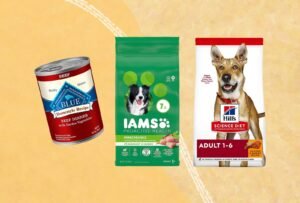
The best type of food for dogs is a nutritionally complete and balanced diet that aligns with their specific life stage, size, and activity level. While marketing trends often favor raw or grain-free diets, the most reliable scientific consensus points toward high-quality, commercially prepared kibble or canned food that meets industry safety standards. Choosing the right fuel for your companion requires evaluating their unique metabolic needs rather than following passing social media trends or anecdotal advice.
Key Takeaways
- Prioritize diets formulated to meet the nutritional standards set by the Association of American Feed Control Officials.
- Always transition your dog to a new food slowly over seven to ten days to prevent digestive upset.
- Consult your veterinarian before choosing specialized diets for dogs with known medical conditions or allergies.
- Monitor your dog’s body condition score to adjust portion sizes and prevent canine obesity.
- Look for foods listing a high-quality animal protein, such as chicken, beef, or lamb, as the first ingredient.
Understanding Optimal Dog Nutrition
Providing the right nutrition is the foundation of a long, healthy life for your canine friend. Dogs are omnivores, meaning they thrive on a varied diet containing proteins, fats, carbohydrates, vitamins, and minerals. Regardless of the specific brand you choose, the label should explicitly state that the product provides complete and balanced nutrition for your dog’s specific life stage, whether they’re a puppy, an adult, or a senior.
Essential Components of Quality Food
- High-quality protein: Essential for muscle maintenance and repair.
- Healthy fats: Necessary for skin health and sustained energy.
- Complex carbohydrates: Provide energy and fiber for digestive regularity.
- Micronutrients: Vitamins and minerals to support immune function.
Comparing Common Feeding Options
Choosing between different formats often comes down to your lifestyle, your budget, and your dog’s personal preferences.
| Food Type | Primary Benefit | Storage Considerations |
|---|---|---|
| Dry Kibble | Cost-effective and shelf-stable | Must keep in a cool, dry place |
| Canned/Wet | High moisture content and palatability | Requires refrigeration after opening |
| Freeze-Dried | Nutrient-dense and convenient | Needs careful handling of raw proteins |
How to Read Labels
The ingredient list is your most valuable tool when evaluating products. Manufacturers list ingredients by weight, so the first few items are the most significant. Ensure the first ingredient is a named animal protein source rather than a vague “meat meal” or “by-product.” Furthermore, the Association of American Feed Control Officials provides the regulatory framework that ensures pet food labels contain accurate information regarding nutritional adequacy.
Ingredient Red Flags
- Vague labeling: Ingredients listed only as “meat” or “animal fat.”
- Excessive fillers: High concentrations of corn, wheat, or soy as primary ingredients.
- Artificial additives: Unnecessary colors, flavors, or preservatives that serve no nutritional purpose.
Are Grain-Free Diets Necessary?
Unless your veterinarian has diagnosed a specific grain allergy, there’s no scientific requirement to avoid grains. For most dogs, whole grains like brown rice, oats, and barley provide excellent sources of energy and fiber. Grain-free options are often more expensive and were historically associated with certain health concerns in specific breeds. Focus on the overall balance of nutrients rather than the presence or absence of a single ingredient class.
Feeding Guidelines by Dog Size
The caloric needs of a Chihuahua differ vastly from those of a Great Dane. Feeding the wrong amount can lead to either malnutrition or obesity.
| Dog Size | Daily Caloric Need (Approx) | Feeding Frequency |
|---|---|---|
| Small (Under 20 lbs) | 200–500 kcal | 2–3 meals per day |
| Medium (20–50 lbs) | 600–1000 kcal | 2 meals per day |
| Large (Over 50 lbs) | 1200–2000+ kcal | 2 meals per day |
What Type of Food Is Best?
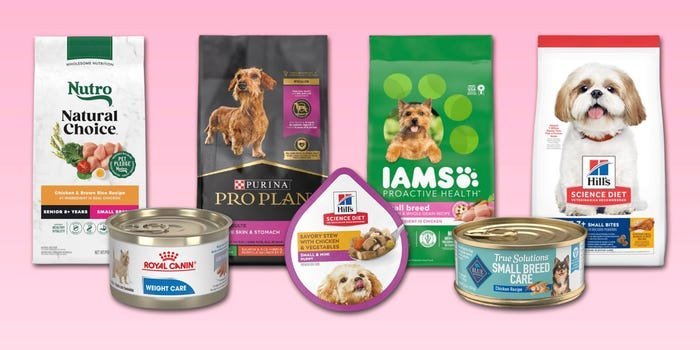
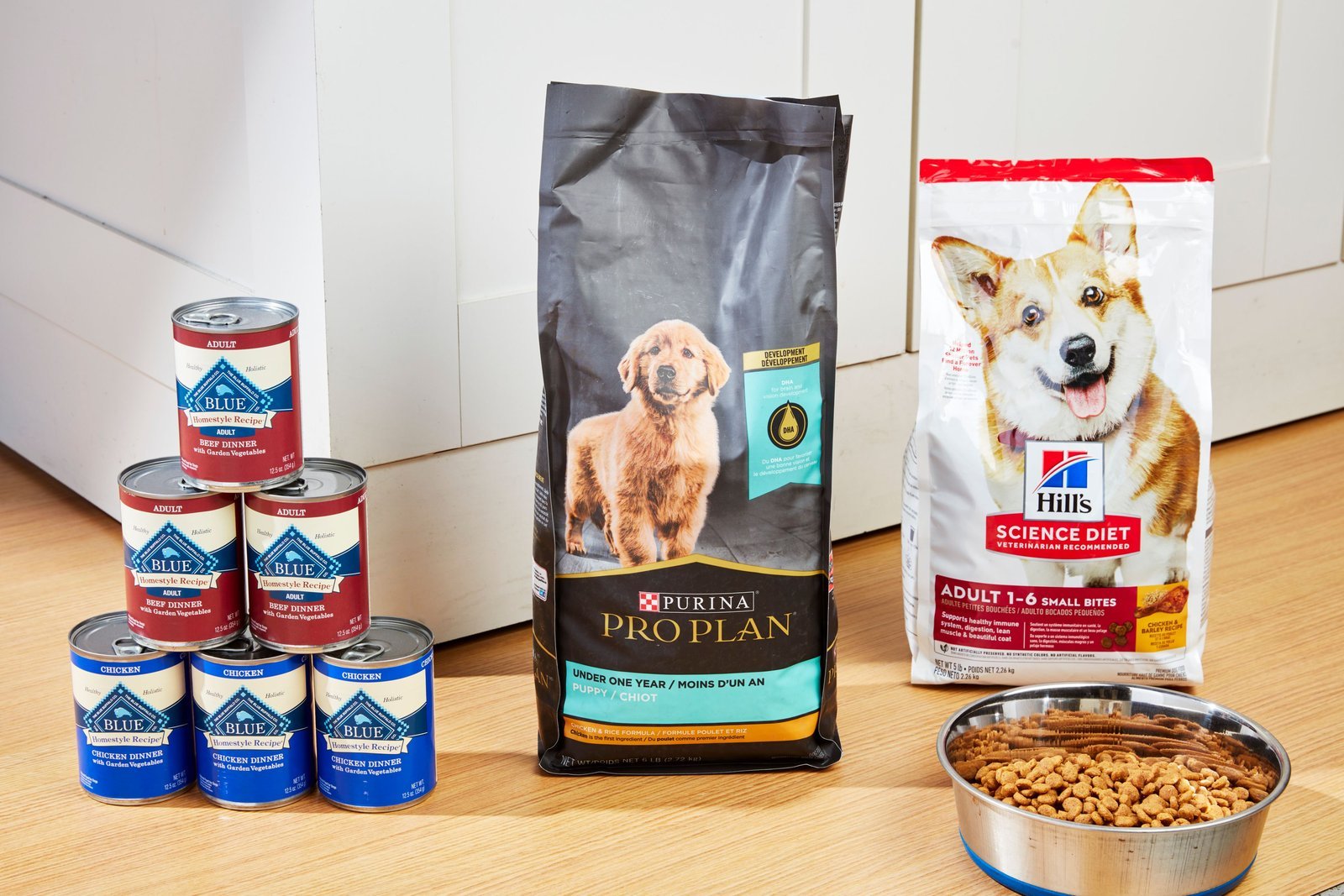
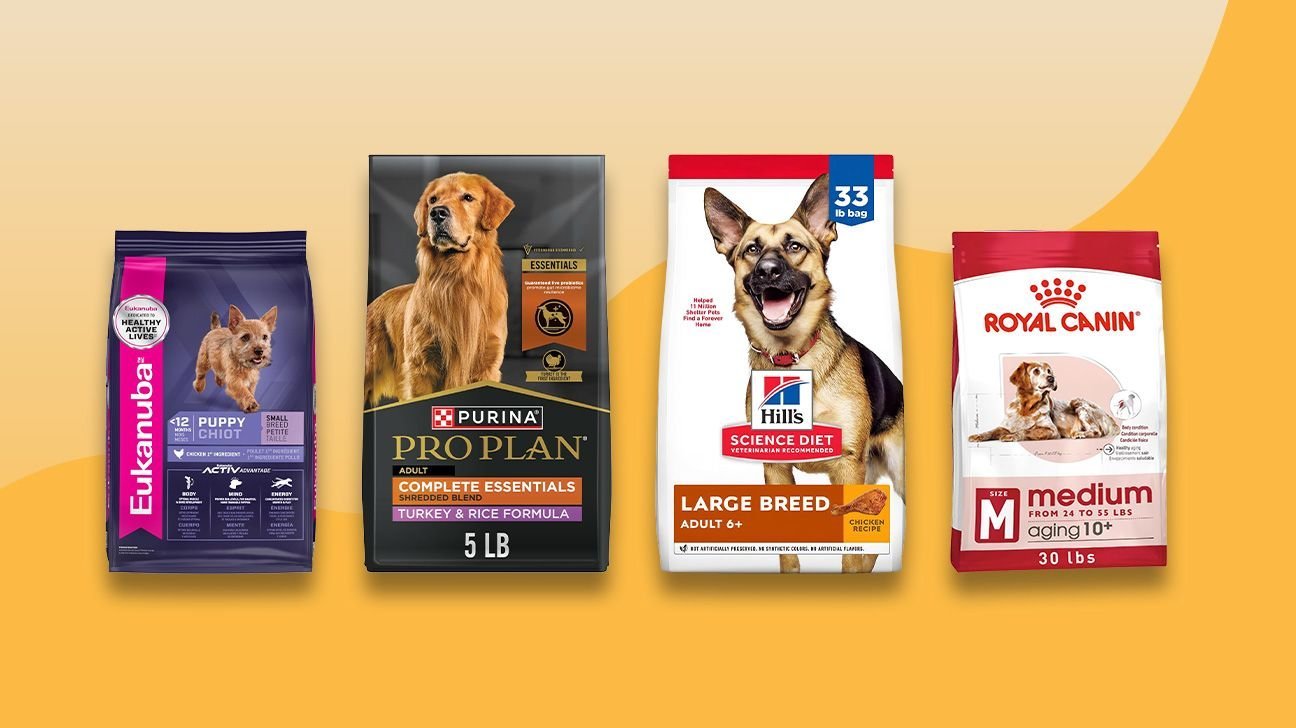
The “best” food is one that your dog eats consistently, maintains their weight, and keeps their coat shiny and skin healthy. Premium brands like Royal Canin, Purina Pro Plan, and Hill’s Science Diet invest heavily in research and development, often employing veterinary nutritionists to formulate their recipes. These brands generally undergo rigorous testing to ensure their products are safe and effective.
Pro Tip: Managing Transitions
Warning: Never switch your dog’s food abruptly, as this often causes vomiting and diarrhea. Instead, mix 25% of the new food with 75% of the old food for three days, then move to a 50/50 mix for three days, followed by 75% new and 25% old for another three days before fully switching.
Troubleshooting Common Feeding Issues
If your dog displays signs of discomfort, such as excessive gas, loose stools, or skin irritation, they may have a food sensitivity. Keep a log of what you feed them and when symptoms occur. If issues persist for more than a week, consult your veterinarian for an elimination diet trial to identify the specific trigger.
Frequently Asked Questions
Should I feed my dog human food?
While some human foods like plain cooked chicken or carrots are safe as occasional treats, human food shouldn’t make up the bulk of a dog’s diet. It’s rarely nutritionally balanced for dogs and can lead to dangerous nutrient deficiencies or toxicities if you feed ingredients like onions, grapes, or chocolate. Stick to high-quality commercial dog food for primary meals.
How do I know if my dog is overweight?
An easy way to check is to feel your dog’s rib cage. You should be able to feel the ribs under a thin layer of fat without pressing hard. If the ribs are invisible and you see no waistline when looking down, your dog likely needs fewer calories or more exercise. Always check with your vet before putting a dog on a restrictive diet.
Is raw feeding safer than kibble?
There’s no consensus that raw feeding is safer. In fact, raw diets carry a significant risk of bacterial contamination, such as salmonella, which can affect both your dog and your family. Commercial kibble is processed at high temperatures to kill pathogens, making it a much more stable and sanitary option for the vast majority of households looking for consistent nutrition.
How often should I change my dog’s food?
You don’t need to rotate your dog’s food frequently. If your dog is doing well on a specific formula, there’s no medical reason to switch. Changing foods too often can cause digestive upset and makes it difficult to track if a specific ingredient is causing an issue. Stick to a high-quality, life-stage-appropriate diet that your dog enjoys and digests well.
Can I mix wet and dry food?
Yes, mixing wet and dry food is a great way to improve palatability and increase hydration. Just ensure you calculate the total calories from both portions to avoid overfeeding. Many owners use this method to encourage picky eaters or to provide a more varied texture experience. Simply reduce the amount of dry kibble proportionally when adding wet food to the bowl.
Monitor your dog’s weight and energy levels over the next month to ensure the current diet is meeting their needs. If you notice any sudden changes in stool quality or appetite, consult your local veterinarian immediately to rule out underlying health issues, as they can provide personalized guidance based on your dog’s specific blood work and medical history.