
Dogs are biologically classified as facultative carnivores, meaning they thrive on a balanced diet consisting of high-quality animal proteins, healthy fats, complex carbohydrates, and essential vitamins. While their ancestors were apex predators, modern domestic dogs have evolved to digest starches, allowing them to remain healthy on a diverse range of commercially prepared or home-cooked meals. Understanding the nutritional requirements for your pet is the first step toward ensuring a long, vibrant life.
Key Takeaways

- Prioritize animal-based proteins like chicken, beef, or fish as the primary ingredient in any meal.
- Always consult with a veterinarian before switching to a raw or homemade diet to avoid nutrient deficiencies.
- Avoid feeding your dog toxic human foods, including grapes, onions, garlic, chocolate, and xylitol.
- Monitor your dog’s weight and body condition score to adjust caloric intake based on activity levels.
- Ensure constant access to clean water to support digestion and overall organ function.
What Type Of Food Does Dog Eat?
Dogs require a precise balance of macro and micronutrients to maintain muscle mass, energy, and immune health. Most owners choose between commercial dry kibble, wet canned food, or fresh meal subscriptions. Regardless of the format, the nutritional profile should meet the standards set by the Association of American Feed Control Officials for complete and balanced nutrition.
Common Diet Categories
| Food Type | Primary Benefit | Moisture Content |
|---|---|---|
| Dry Kibble | Dental health/Convenience | 5% – 10% |
| Canned/Wet | High palatability/Hydration | 70% – 80% |
| Fresh/Frozen | High-quality ingredients | 60% – 75% |
Essential Nutrients For Canine Health
A dog’s diet must contain specific nutrients that their bodies can’t synthesize in sufficient quantities. Protein is vital for tissue repair and growth, while fats provide the energy necessary for daily movement. Carbohydrates provide quick fuel, and fiber supports healthy digestion.
Key Nutritional Components
- Amino Acids: Found in meat, poultry, and fish.
- Omega Fatty Acids: Essential for skin and coat health.
- Vitamins and Minerals: Calcium, phosphorus, and zinc are critical for bone and immune support.
Evaluating Commercial Food Quality
When reading labels, look for a named protein source as the first ingredient. Avoid generic “meat meal” or “by-product” labels if you prefer higher quality. Many premium brands, such as Purina Pro Plan, Royal Canin, or Hill’s Science Diet, invest heavily in research to ensure their formulas meet safety standards.
Warning: Always introduce new foods gradually over a seven to ten-day period to prevent gastrointestinal upset, such as vomiting or diarrhea.
Is A Raw Diet Safe?

Raw feeding, often called the BARF diet (Biologically Appropriate Raw Food), involves feeding uncooked meat, bones, and organs. Proponents argue this mimics ancestral eating, but it carries risks of bacterial contamination, such as Salmonella or E. coli. If you choose this path, you must prioritize hygiene and ensure the diet is nutritionally balanced through supplements.
Foods To Strictly Avoid
Some common human foods are toxic to dogs even in small quantities. Never share these with your pet:
- Xylitol: An artificial sweetener found in sugar-free gum.
- Grapes and Raisins: Can cause sudden kidney failure.
- Chocolate: Contains theobromine, which is dangerous for heart function.
- Onions and Garlic: Can damage red blood cells.
Managing Your Dog’s Portions
Portion control is essential for preventing obesity, which is a leading cause of chronic disease in pets. Use a standard measuring cup or a digital scale to ensure consistency.
Daily Caloric Intake Guidelines
| Dog Size | Typical Weight Range | Daily Calorie Range |
|---|---|---|
| Toy/Small | 5 – 20 lbs | 200 – 600 kcal |
| Medium | 21 – 50 lbs | 650 – 1,200 kcal |
| Large/Giant | 51 – 100+ lbs | 1,300 – 2,500+ kcal |
How To Read Food Labels
The “Guaranteed Analysis” section on the back of any bag provides the minimum and maximum percentages of crude protein, fat, fiber, and moisture. Don’t rely solely on the marketing photos on the front of the package. Look for the “Statement of Nutritional Adequacy,” which confirms the food has passed feeding trials or meets specific profiles for growth, maintenance, or all life stages.
Pro Tip: If your dog is a picky eater, try adding a small amount of warm water or low-sodium bone broth to their dry kibble to enhance the aroma and texture.
When Should You Seek Advice?

If your dog shows signs of food allergies, such as chronic itching, ear infections, or unexplained weight loss, talk to your veterinarian. They may suggest a hypoallergenic diet or a prescription food designed for sensitive stomachs. Don’t attempt to diagnose nutritional deficiencies yourself, as blood tests are often required to confirm imbalances.
Frequently Asked Questions
Can dogs eat cooked rice and chicken?
Yes, plain boiled chicken and white rice are often recommended by veterinarians as a bland diet to help settle an upset stomach. Ensure the chicken is boneless and skinless, and the rice is thoroughly cooked. This should only be a temporary measure; for long-term feeding, it lacks the necessary vitamins, minerals, and fatty acids required for a balanced canine diet.
How often should my dog eat?
Most adult dogs thrive on two meals per day—once in the morning and once in the evening. Puppies, however, have higher metabolic rates and smaller stomachs, requiring three to four smaller meals daily. Consistent feeding times help regulate your dog’s digestive system and make housebreaking easier for younger animals.
Is grain-free food better for dogs?
There’s no scientific evidence that grain-free food is healthier for the average dog. Unless your veterinarian has diagnosed a specific grain allergy, grains like oats, barley, and brown rice provide excellent sources of fiber and energy. In fact, some studies have investigated potential links between grain-free diets and heart issues in certain breeds, so consult your vet before switching.
Can dogs drink milk?
Many adult dogs are lactose intolerant. While some can handle small amounts, milk often causes diarrhea, gas, and bloating in dogs because they lack sufficient lactase to break down lactose. It’s best to avoid dairy products entirely and stick to fresh, clean water as the primary source of hydration for your pet.
Should I provide human food scraps?
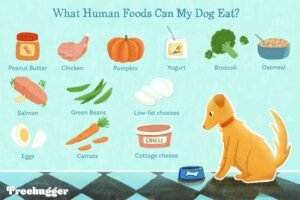
Feeding table scraps is generally discouraged because it can lead to obesity and nutrient imbalances. Furthermore, many human foods contain hidden ingredients like onions, garlic, or spices that are toxic to dogs. If you want to give treats, stick to dog-safe options like carrot sticks, apple slices without seeds, or plain green beans.
Providing the right fuel is an act of love that directly influences your dog’s longevity and happiness. Start by checking the label on your current bag of food to ensure it meets the AAFCO standards mentioned above. If you find the diet lacking, visit your local veterinarian to discuss a transition plan that aligns with your dog’s specific age, breed, and health requirements.