
Dogs are omnivorous scavengers that thrive on a balanced diet of proteins, fats, carbohydrates, vitamins, and minerals. Because they aren’t strict carnivores like cats, they can derive essential nutrients from both animal-based and plant-based sources, provided the specific formulation meets their complex biological requirements. Understanding what constitutes a healthy meal is the first step in ensuring your canine companion lives a long, active life.
Key Takeaways

- Prioritize diets that meet AAFCO nutritional standards for your dog’s specific life stage.
- Always ensure fresh, clean water is available alongside dry or wet food.
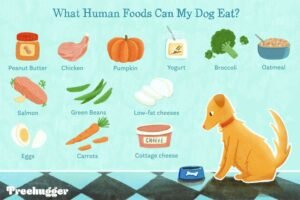
- Avoid feeding human foods like onions, garlic, chocolate, or grapes, which are toxic.
- Consult a veterinarian before making significant changes to a senior dog’s diet.
- Monitor body condition scores to prevent obesity, a common health risk for pets.
What Type of Food Dogs Eat
Dogs require a precise balance of nutrients to maintain healthy organ function and energy levels. While their ancestors relied on hunting, modern domestic dogs have evolved to digest starches, making them highly adaptable to varied diets. A complete and balanced diet should be the foundation of their daily nutrition.
Common Diet Formulations
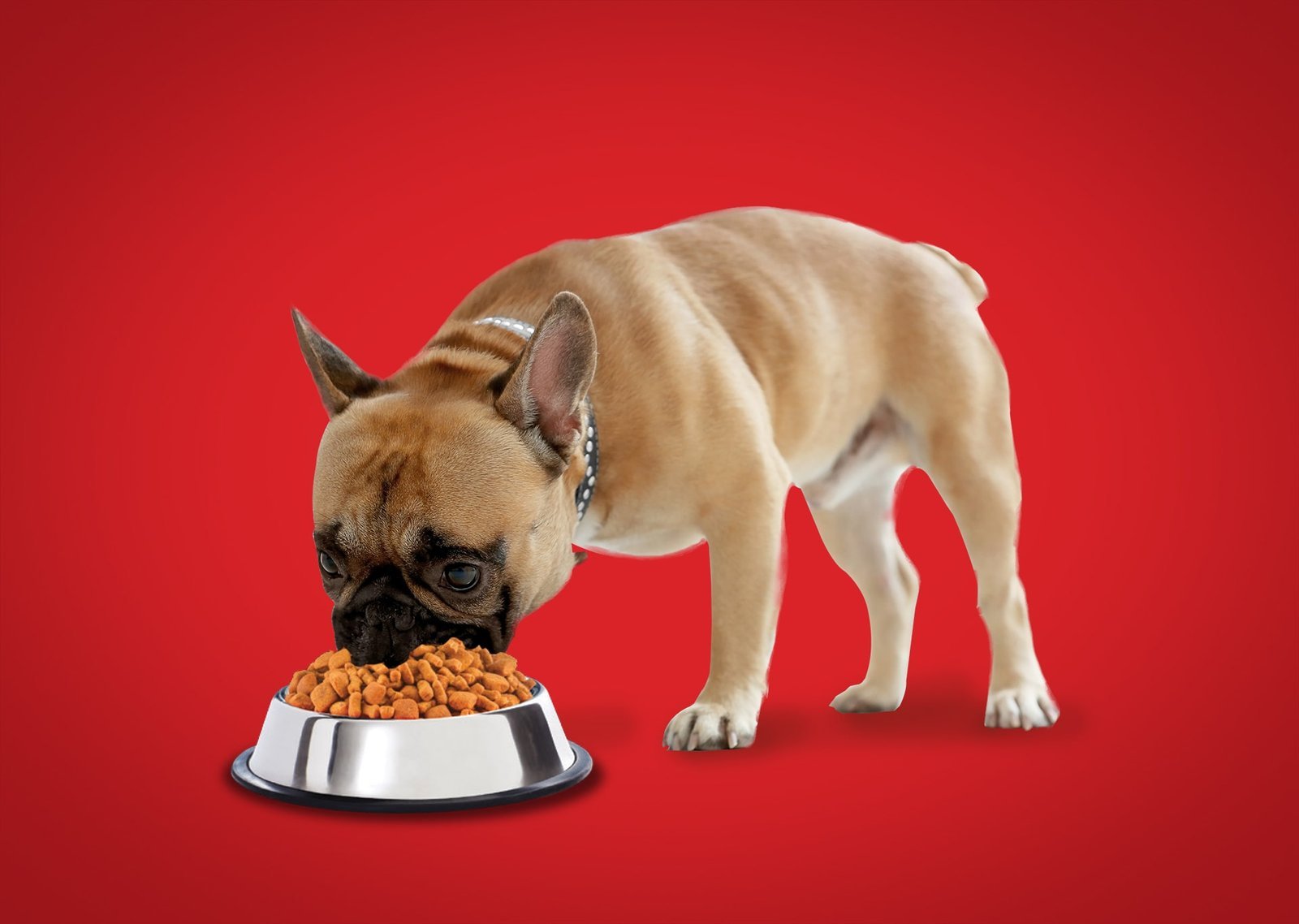
- Dry Kibble: Convenient, shelf-stable, and helps support dental hygiene by reducing tartar buildup.
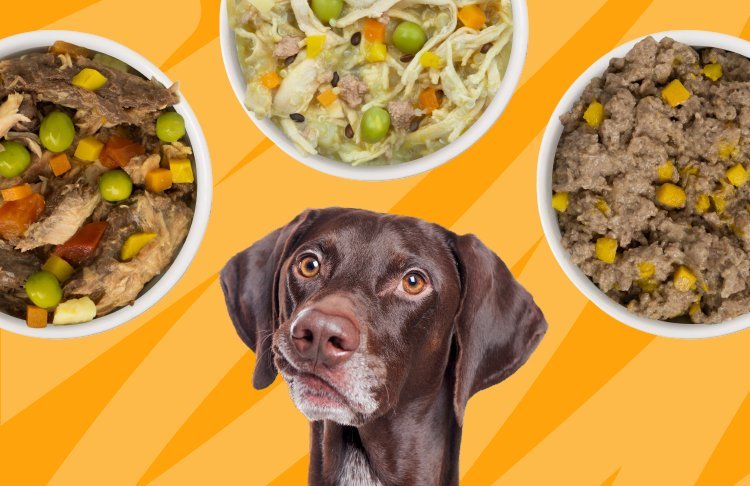
- Wet/Canned Food: Highly palatable and contains higher moisture content, which is beneficial for dogs that don’t drink enough water.
- Freeze-Dried or Dehydrated: These options retain most nutrients through low-heat processing and are easy to store.
- Fresh or Frozen: Typically human-grade ingredients that offer high bioavailability but require careful storage to prevent spoilage.
Comparing Commercial Food Options
| Food Category | Primary Benefit | Storage Requirement |
|---|---|---|
| Dry Kibble | Dental health | Pantry storage |
| Wet Canned | Hydration support | Refrigerated after opening |
| Freeze-Dried | Nutrient density | Cool, dry place |
| Fresh Cooked | High palatability | Keep frozen or chilled |
Understanding Essential Macronutrients
To function properly, your dog needs a steady supply of macronutrients. Protein is essential for muscle growth and repair, while fats provide the energy necessary for daily activity. Carbohydrates act as a fuel source, and fiber supports a healthy digestive tract.
Warning: Always introduce new food gradually over a period of seven to ten days to avoid gastrointestinal upset, such as vomiting or diarrhea.
The Importance of Life Stages
A puppy has vastly different nutritional needs than a senior dog. Puppies require higher levels of protein and calcium for rapid growth, while older dogs benefit from lower calorie counts and joint-supporting supplements like glucosamine.
- Puppy: Higher fat and protein for development.
- Adult: Maintenance-level nutrients for steady energy.
- Senior: Lower calories with added antioxidants.
Are Homemade Diets Safe?
Feeding your dog homemade meals allows you to control the exact ingredients, but it carries a high risk of nutritional imbalance if not formulated correctly. If you choose this route, work with a veterinary nutritionist to ensure you’re meeting all A-to-Z nutrient requirements for your dog’s size and breed.
Essential Homemade Components
- Lean Proteins: Boiled chicken breast, turkey, or lean ground beef.
- Complex Carbohydrates: Brown rice, sweet potatoes, or cooked oatmeal.
- Vegetables: Steamed carrots, green beans, or peas.
- Healthy Fats: Small amounts of fish oil or flaxseed oil.
Managing Portion Control
Overfeeding is a primary cause of canine obesity. Use a standard measuring cup rather than guessing the amount. Monitor your dog’s waistline; you should be able to feel their ribs without a thick layer of fat covering them.
| Activity Level | Daily Caloric Need | Feeding Frequency |
|---|---|---|
| Sedentary | Low range | Once daily |
| Moderate | Mid range | Twice daily |
| High Energy | High range | Three times daily |
Pro Tips for Healthy Eating
Pro Tip: Use puzzle feeders for dogs that eat too quickly to improve digestion and provide mental stimulation.
Pro Tip: Keep a log of any new treats or foods you introduce to identify potential allergies, such as itchy skin or recurrent ear infections.
Essential Nutrients Checklist
- Amino Acids: Found in high-quality animal proteins.
- Fatty Acids: Omega-3 and Omega-6 for skin and coat health.
- Minerals: Calcium and phosphorus for bone strength.
- Vitamins: A, D, E, and B-complex for immune support.
Related guides
- What to Feed to Dogs: A Guide to Balanced Canine Nutrition
- What Should I Give My Dog to Eat: A Guide to Healthy Nutrition
- What Food Should a Dog Eat: A Guide to Balanced Nutrition
Frequently Asked Questions
Is grain-free food better for dogs?
Most dogs thrive on a diet containing grains. Grain-free diets are only necessary for dogs with a confirmed grain allergy, which is relatively rare. Always consult your vet before switching to a grain-free formula to ensure it’s the right choice for your specific pet.
Can dogs eat human leftovers?
Feeding table scraps is generally discouraged. Many human foods, including fatty meats, dairy, and seasoned items, can cause pancreatitis or digestive distress. It’s safer to stick to specialized dog food to ensure they receive the correct nutritional balance without hidden additives.
How often should I feed my dog?
Most adult dogs do well with two meals a day, once in the morning and once in the evening. Puppies require more frequent feedings, typically three to four times a day, to support their rapid growth and stable blood sugar levels.
Why does my dog eat grass?
Dogs often eat grass to soothe an upset stomach or simply because they enjoy the texture. While usually harmless, ensure the grass hasn’t been treated with pesticides or herbicides, which can be toxic. If the behavior is excessive, consult a vet to rule out underlying dietary deficiencies.
What should I do if my dog stops eating?
A loss of appetite, or anorexia, can indicate anything from minor stress to a serious underlying illness. If your dog skips more than two consecutive meals or shows signs of lethargy, vomiting, or diarrhea, contact your veterinarian immediately for a professional assessment.
Feeding your dog is a daily responsibility that shapes their overall health and longevity. By selecting high-quality, balanced nutrition and avoiding toxic human foods, you provide the best possible environment for them to thrive. Observe your dog’s energy levels and coat quality closely, as these are the best indicators of a successful diet, and schedule a wellness exam with your vet to confirm your choices.