
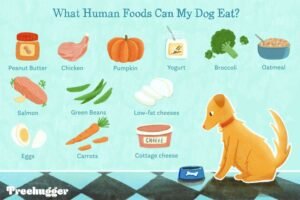
When considering what food should a dog eat, look for a balanced, life-stage-appropriate formula that meets Association of American Feed Control Officials standards. Prioritize commercial diets labeled for your dog’s specific age, size, and activity level.
The short version

- Choose food labeled for your dog’s life stage, such as puppy, adult, or senior.
- Check the package for an AAFCO statement confirming the diet is nutritionally complete.
- Measure portions exactly using a standard measuring cup to prevent unhealthy weight gain.
- Avoid feeding human foods like grapes, onions, garlic, or chocolate, which are toxic.
- Transition to new food slowly over 7 days by mixing it with the old diet.
- Always keep fresh, clean water available in a non-porous bowl for your dog.
Why nutrition matters for canine health
The primary goal of feeding a dog is to provide energy and building blocks for their bodily functions. Dogs are omnivores, meaning they need a mix of proteins, fats, carbohydrates, vitamins, and minerals. Protein supports muscle mass, while fats provide concentrated energy and help maintain healthy skin and fur. Carbohydrates offer a source of quick fuel, though the balance depends on the dog’s metabolism.
If you’re choosing between dry kibble and wet canned food, consider that dry food is often easier to store and may help reduce plaque buildup, while wet food is higher in moisture, which benefits dogs that don’t drink enough water. You can find detailed information on the nutrients required for canine health through the Association of American Feed Control Officials guidelines.
If your dog has health issues, the nutritional requirements shift significantly. For example, dogs with kidney problems often need lower levels of phosphorus, while active working dogs require higher caloric density. Never assume a “one size fits all” approach works for every breed. If you’re unsure about the specific needs of your pet, consult your veterinarian. They can assess your dog’s body condition score and suggest a diet that prevents obesity or addresses specific deficiencies.
When the answer is different

| Situation | What changes | What to do instead |
|---|---|---|
| Puppy | High growth needs | Feed puppy-specific formulas |
| Working breed | Calorie requirements | Increase daily portions |
| Senior dog | Slower metabolism | Switch to lower-calorie food |
| Food allergy | Ingredient sensitivity | Use limited-ingredient diets |
| Pregnancy | Nutrient density | Consult vet for supplement |
What food should a dog eat: How to do it properly
- Read the label carefully to ensure the food is formulated for your dog’s current age.
- Calculate the daily caloric need based on your dog’s weight and activity level; check the package guide for the starting amount.
- Use a kitchen scale to weigh the food according to the manufacturer’s caloric recommendations, as volume-based measuring cups are often inaccurate due to variations in kibble density.
- Split the total daily amount into two equal meals, feeding once in the morning and once in the evening.
- Increase the new food ratio gradually until the switch is complete.
- Observe the dog’s stool; if it becomes loose, slow down the transition process by keeping the ratio the same for an extra day.
The mistakes that ruin it
Feeding table scraps creates a dangerous nutrient imbalance, often triggering acute pancreatitis. This condition manifests as sudden, intense abdominal pain that frequently requires emergency veterinary intervention.
Leaving food out all day encourages mindless overeating and masks early illness. If your pet stops eating, you need to know exactly when the change occurred. Without a scheduled feeding window, you lose your most reliable early warning system for metabolic issues.
Adding supplements without professional guidance risks vitamin toxicity. Excess fat-soluble vitamins, specifically A and D, accumulate in the liver and cause organ failure.
Finally, changing food brands abruptly causes severe gastrointestinal distress. If you must switch, transition gradually over several days by mixing increasing amounts of the new food with the old food to minimize gastrointestinal upset.
Frequently asked questions
Can I feed my dog homemade food?
Yes, you can feed your dog homemade food, but only if a veterinary nutritionist has approved the recipe. It’s very difficult to balance minerals and vitamins on your own. If the diet isn’t perfectly balanced, your dog will eventually develop serious health problems over the long term.
How much should I feed my dog?
You should feed your dog based on the calorie density listed on the bag and your dog’s weight. Every brand has a different energy concentration. Always look at the manufacturer’s feeding chart on the back of the package as your starting point for the daily amount.
Is it safe to feed my dog raw meat?
No, it isn’t considered safe to feed your dog raw meat because of the high risk of bacterial contamination. Pathogens like Salmonella or Listeria can spread from the food to your home and family. Cooked, high-quality commercial food is always the safer choice for your pet.
How often should I feed my dog?
You should feed your adult dog regularly, spaced about 10 to 12 hours apart. This schedule helps regulate their blood sugar and keeps their digestion consistent. Puppies usually need more frequent meals, typically three or four times a day, depending on their breed and size.
Does it matter what brand I buy?
Yes, it matters because reputable brands perform feeding trials to prove their food is healthy. Look for companies that employ veterinary nutritionists and follow strict quality control. Cheap brands may use lower-quality ingredients that are harder for your dog to digest, leading to lower energy levels.
Why is my dog not eating?
A dog not eating can indicate anything from a minor stomach upset to a serious underlying illness. If your dog refuses food for more than 24 hours, or if they show signs of lethargy, you must take them to a veterinarian immediately for a professional health check.
Final Thoughts
Choosing the right bowl of food is a simple way to show your pet how much you care. If you’re unsure about your dog’s specific nutritional needs, don’t hesitate to ask your veterinarian for a personalized recommendation. They’ll help you pick a high-quality option that’ll keep your furry friend happy and healthy.