
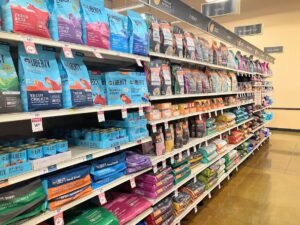
Identifying healthy dog food requires scrutinizing the ingredient label, prioritizing high-quality protein sources, and ensuring the diet meets specific nutritional standards for your pet’s life stage. A balanced diet is the cornerstone of canine longevity, yet the marketing claims on packaging often mask subpar nutritional profiles. By focusing on verifiable data rather than flashy buzzwords, you can provide your dog with sustenance that supports muscle maintenance, digestive health, and a robust immune system.
Key Takeaways
- Look for a named protein source, such as “deboned chicken” or “lamb,” as the first ingredient.
- Verify that the packaging includes an AAFCO nutritional adequacy statement for your dog’s age.
- Avoid foods listing generic “meat meal” or “poultry by-product” without specifying the animal source.
- Monitor your dog’s weight, coat quality, and energy levels to assess the food’s effectiveness.
- Consult with your veterinarian before making significant changes to a senior or medical-needs diet.
What to Look for in Healthy Dog Food
When evaluating a bag of kibble or canned food, the ingredient list is your most reliable guide. Manufacturers must list ingredients by weight, meaning the first few items constitute the bulk of the recipe. A healthy foundation starts with a high-quality animal protein, followed by whole grains or healthy carbohydrates. Avoid products that rely heavily on fillers like corn gluten meal or soybean hulls, as these often lack the bioavailability found in premium ingredients.
Understanding Nutritional Adequacy Statements
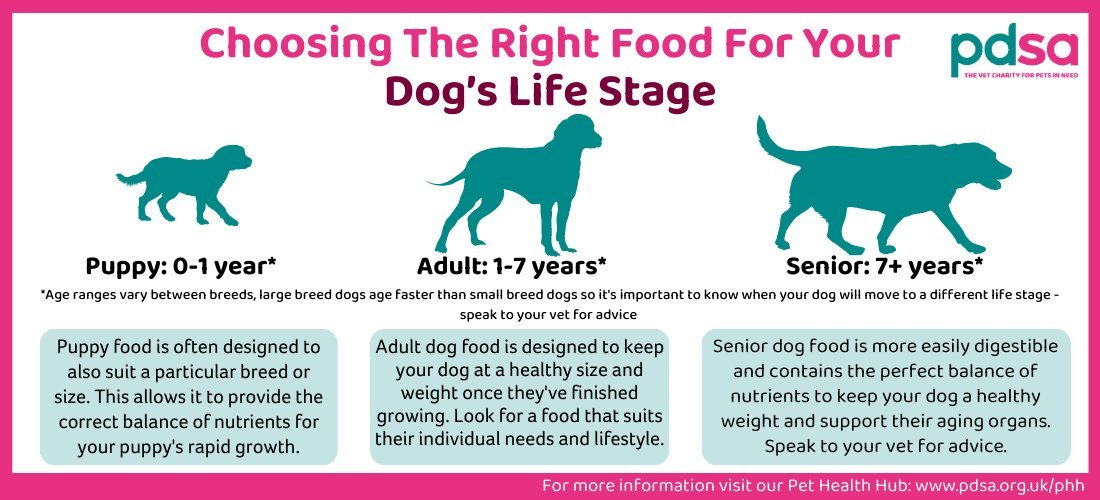
The Association of American Feed Control Officials provides the regulatory framework that ensures pet food meets basic nutrient requirements. An adequacy statement confirms the food has been formulated for a specific life stage: growth (puppies), maintenance (adults), or all life stages. Never purchase a food that lacks this verification, as it may not provide the essential vitamins and minerals required for long-term health.
| Life Stage | Primary Nutritional Need | Common Ingredient Focus |
|---|---|---|
| Puppy | High protein and calcium | DHA, balanced phosphorus |
| Adult | Maintenance and energy | Fiber, moderate fat levels |
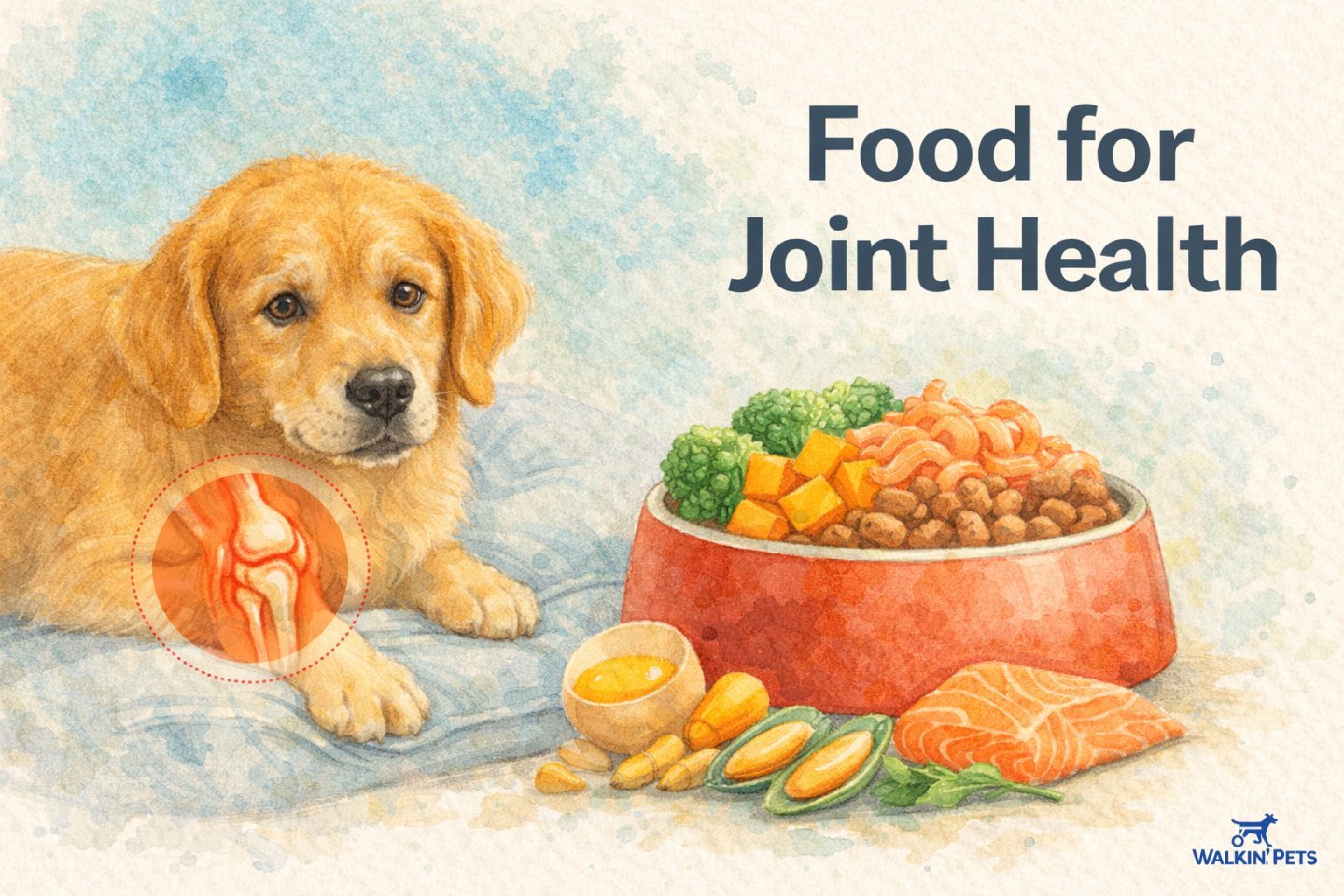
| Senior | Joint support and digestion | Glucosamine, lower calories |
Identifying Quality Protein Sources
Protein is the primary building block for your dog’s muscles, skin, and hair. Look for specific animal sources rather than vague terms. For example, “beef” or “salmon” is superior to “animal fat” or “meat byproduct.” While high-quality plant proteins like peas or lentils can be part of a balanced diet, they shouldn’t replace the primary animal-based protein required for a carnivorous-leaning omnivore.
Are Grains Actually Bad?
Contrary to popular marketing, grains aren’t inherently unhealthy for most dogs. Whole grains like brown rice, oats, and barley provide essential fiber, vitamins, and minerals that support digestive regularity. Unless your dog has a medically diagnosed grain allergy, high-quality whole grains are often more digestible and nutrient-dense than the “grain-free” alternatives that rely on excessive amounts of potatoes or legumes.
Analyzing the Guaranteed Analysis
The “Guaranteed Analysis” panel provides a snapshot of the product’s chemical composition. While it doesn’t show the exact quality of ingredients, it helps you compare products side-by-side. Use this table to ensure you’re meeting your dog’s specific metabolic needs.
| Nutrient | Typical Puppy Range | Typical Adult Range |
|---|---|---|
| Crude Protein | 22% – 32% | 18% – 26% |
| Crude Fat | 10% – 20% | 8% – 16% |
| Crude Fiber | 2% – 5% | 3% – 7% |
Reading the Ingredient List
Warning: Avoid “mystery ingredients” that list generic terms like “meat meal” without identifying the specific animal, as these often contain lower-quality trimmings. A healthy food will be transparent about its sourcing. Look for whole vegetables like carrots, spinach, or sweet potatoes, which add natural antioxidants and fiber to the diet. Avoid excessive artificial colors or chemical preservatives like BHA or BHT.
Managing Dietary Transitions
When switching to a healthier brand, do so gradually over seven to ten days to prevent digestive upset. Start by mixing 25% new food with 75% old food, slowly increasing the ratio until your dog is fully transitioned. This method reduces the risk of vomiting or diarrhea and allows you to monitor how your dog reacts to the new nutritional profile.
How Much Should You Feed?
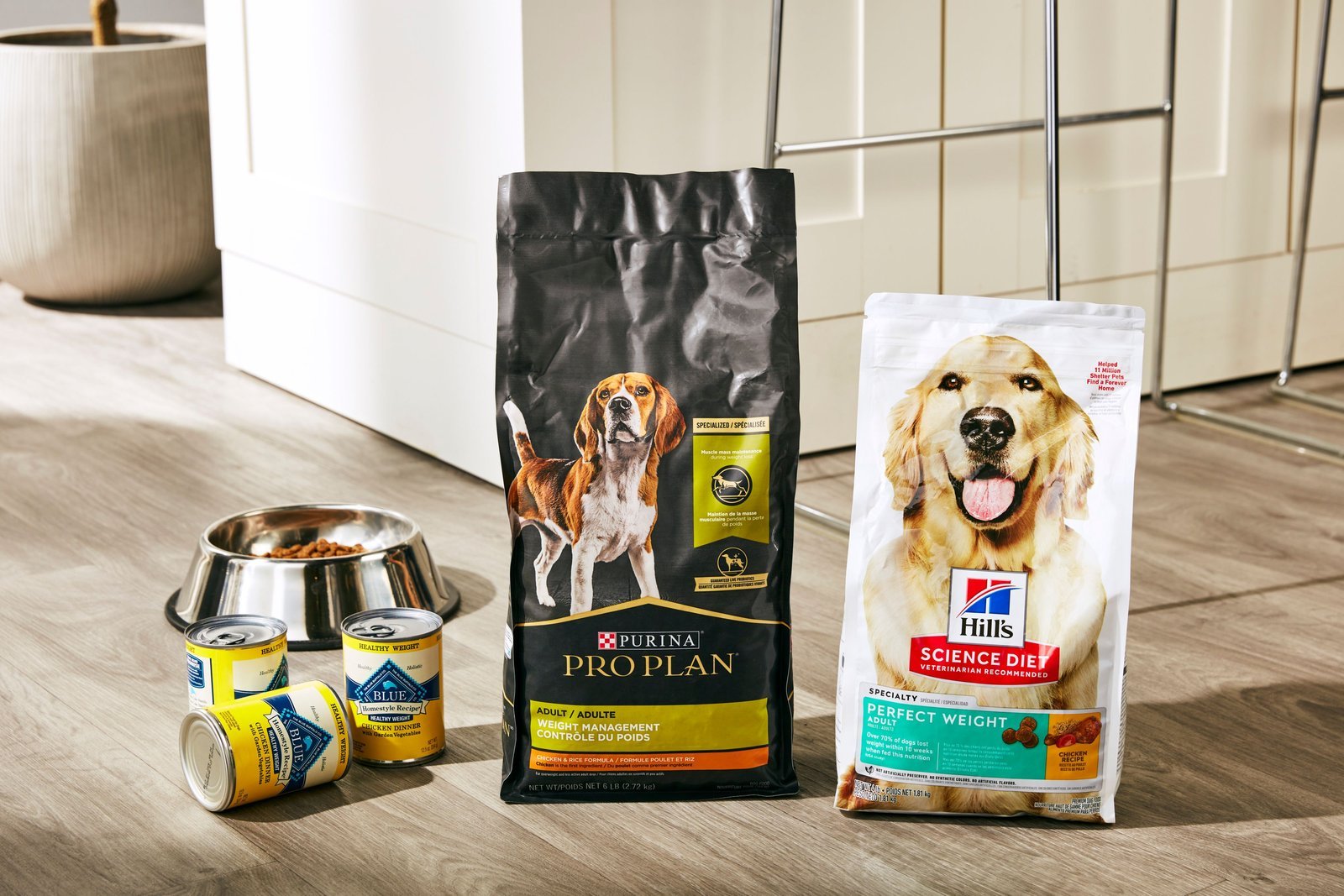
Feeding amounts vary significantly based on your dog’s activity level, metabolism, and the caloric density of the brand. Most high-quality foods provide a feeding guide on the back of the package. Start at the lower end of the recommended range and adjust based on your dog’s body condition. If your dog begins to gain or lose weight, consult your vet to refine the portion size.
Troubleshooting Common Feeding Issues
If your dog displays signs of an upset stomach or skin irritation, they may have an intolerance to a specific ingredient. Pro Tip: Keep a simple food diary for two weeks, noting any changes in stool consistency, scratching, or energy levels. If issues persist, work with your vet to conduct an elimination trial using a limited-ingredient diet to identify the culprit.
Frequently Asked Questions
Is wet food healthier than dry?
Wet food generally contains more moisture, which is excellent for kidney health and hydration, but dry food is more convenient and helps support dental health through mechanical abrasion. Both can be healthy; the quality of ingredients matters more than the format. Many owners choose a combination to provide the benefits of both, adjusting portions to maintain a healthy weight.
Do I need to buy expensive brands?
Price doesn’t always correlate with nutritional value. Some premium brands invest heavily in marketing, while others invest in clinical research and high-quality sourcing. Focus on the ingredient list and the AAFCO statement rather than the price tag. Look for mid-range, reputable brands that prioritize transparency and have a history of rigorous quality control and safety testing.
Should I add supplements?
Most commercial dog foods are “complete and balanced,” meaning they already contain the necessary vitamins and minerals. Adding supplements without veterinary guidance can cause nutrient imbalances, which are often more dangerous than minor deficiencies. Only add supplements like fish oil or probiotics if your veterinarian has recommended them to address a specific health concern or condition.
How do I know if food is high quality?
A high-quality food will be transparent about its manufacturing process, provide clear contact information, and have a dedicated team of veterinary nutritionists on staff. Check the company’s website for information on their safety standards. If a company can’t explain where their ingredients are sourced or how they test for contaminants, it’s best to choose a different brand.
Can dogs eat human food?
Some human foods, like plain cooked chicken or green beans, can be healthy treats in moderation. However, many human foods—such as onions, garlic, chocolate, and grapes—are toxic to dogs. Never feed your dog table scraps or processed human food, as these often contain excessive salt, fat, and calories that can lead to obesity and other chronic health issues.
Selecting the right nutrition for your dog is an ongoing process of observation and adjustment. Start by reviewing the labels of your current brand against the criteria discussed here, and monitor your pet’s physical condition closely. If you find your current choice lacking, research a few reputable alternatives and begin a slow transition to support your dog’s long-term health.