
The best type of food for dogs consists of high-quality, nutritionally complete diets that balance proteins, healthy fats, carbohydrates, vitamins, and minerals to support their specific life stage and breed size. Providing a balanced diet is the foundation of your pet’s long-term health, as dogs require specific nutrients that human food often lacks or provides in dangerous ratios. Selecting the right nourishment involves looking beyond marketing claims and focusing on the actual ingredient list and nutritional adequacy statements.
Key Takeaways
- Always check for an AAFCO statement to ensure the food is nutritionally complete.
- Prioritize animal-based proteins as the first ingredient for optimal muscle maintenance.
- Match the food type to your dog’s specific age, weight, and activity level.
- Avoid feeding human leftovers, as many common items are toxic to canines.
- Consult your veterinarian before making drastic changes to your dog’s current diet.
What Type Of Food Is Good?
Dogs are omnivores, meaning they thrive on a diet that includes both animal proteins and plant-based nutrients. While wolves are carnivores, domesticated dogs have evolved to digest starches, provided they’re cooked properly. A high-quality diet should focus on bioavailable protein sources, such as chicken, beef, or fish, rather than fillers like corn gluten meal or excessive grain hulls.
Essential Nutrients For Canines
Every meal should provide a precise balance of macro and micronutrients. Proteins are the building blocks for muscles and skin, while fats provide the energy needed for daily activities. Carbohydrates offer a quick energy boost, and fiber aids in healthy digestion. According to the Association of American Feed Control Officials, a diet must meet established nutrient profiles to be labeled as “complete and balanced” for specific life stages.
Comparing Commercial Food Options
Choosing between different formats depends on your budget, your dog’s preferences, and your own lifestyle.
| Food Type | Pros | Cons |
|---|---|---|
| Dry Kibble | Affordable, long shelf life | Lower moisture content |
| Wet Canned | Highly palatable, hydrating | Expensive, spoils quickly |
| Freeze-Dried | Nutrient-dense, convenient | High cost per serving |
| Fresh Cooked | Human-grade, customizable | Requires storage space |
Identifying High-Quality Ingredients
When reading labels, look for specific, named ingredients. Instead of “meat meal,” look for “chicken meal” or “lamb meal.” The first five ingredients represent the bulk of the food’s content. Avoid vague terms like “animal by-products” or “poultry digest.” Healthy whole foods like sweet potatoes, peas, and blueberries are excellent additions, providing antioxidants and essential fiber.
Should You Feed Raw Food?
The raw food trend is popular, but it carries significant risks that owners must consider. Proponents argue that it mimics a ancestral diet, but raw meat can contain harmful bacteria like Salmonella and Listeria. If you choose this path, you must be extremely diligent about hygiene and ensuring the diet is nutritionally balanced, which often requires professional guidance.
Is Grain-Free Always Better?
For the vast majority of dogs, grains are perfectly healthy and provide essential energy. Unless your dog has a medically diagnosed allergy to a specific grain—which is actually quite rare—there’s no inherent benefit to avoiding them. Nutrient-dense grains like brown rice, oats, and barley are excellent sources of energy and vitamins that support overall canine wellness.
Managing Portion Sizes Properly
Overfeeding is a primary cause of obesity in dogs, which leads to joint issues and diabetes. Use the feeding guidelines on the bag as a starting point, but adjust based on your dog’s body condition score. If you can easily feel but not see their ribs, they’re likely at a healthy weight. Consistent meal scheduling prevents metabolic spikes and helps with house training.
How To Safely Switch Foods
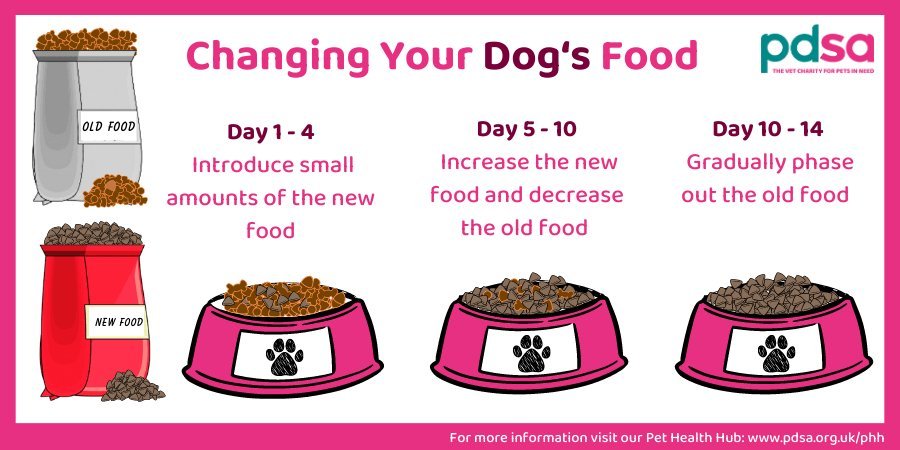
Never change your dog’s diet overnight, as this often causes gastrointestinal distress, including vomiting or diarrhea. Use a transition period of seven to ten days.
| Days | Old Food Ratio | New Food Ratio |
|---|---|---|
| 1–3 | 75% | 25% |
| 4–6 | 50% | 50% |
| 7–9 | 25% | 75% |
| 10+ | 0% | 100% |
Foods To Strictly Avoid
Some human foods are toxic to dogs and should never be offered as treats.
- Grapes and raisins (cause kidney failure)
- Onions and garlic (damage red blood cells)
- Chocolate (contains theobromine)
- Xylitol (found in sugar-free gum)
- Macadamia nuts
Warning: Always keep human medications and sugar-free products containing xylitol locked away, as even small amounts can be fatal to small dogs.
Monitoring Your Dog’s Health
Observe your dog for signs that their food is working well. A shiny, soft coat, steady energy levels, and firm, regular stools are excellent indicators of a successful diet. If your dog experiences chronic ear infections, itchy skin, or dull fur, they might be experiencing a food sensitivity or a nutritional deficiency that requires a change in their primary diet plan.
Pro Tip: If your dog is a picky eater, try adding a small amount of warm water or low-sodium chicken broth to their kibble to release the natural aromas.
Frequently Asked Questions
Can dogs eat human food safely?
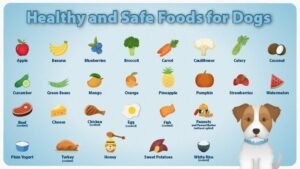
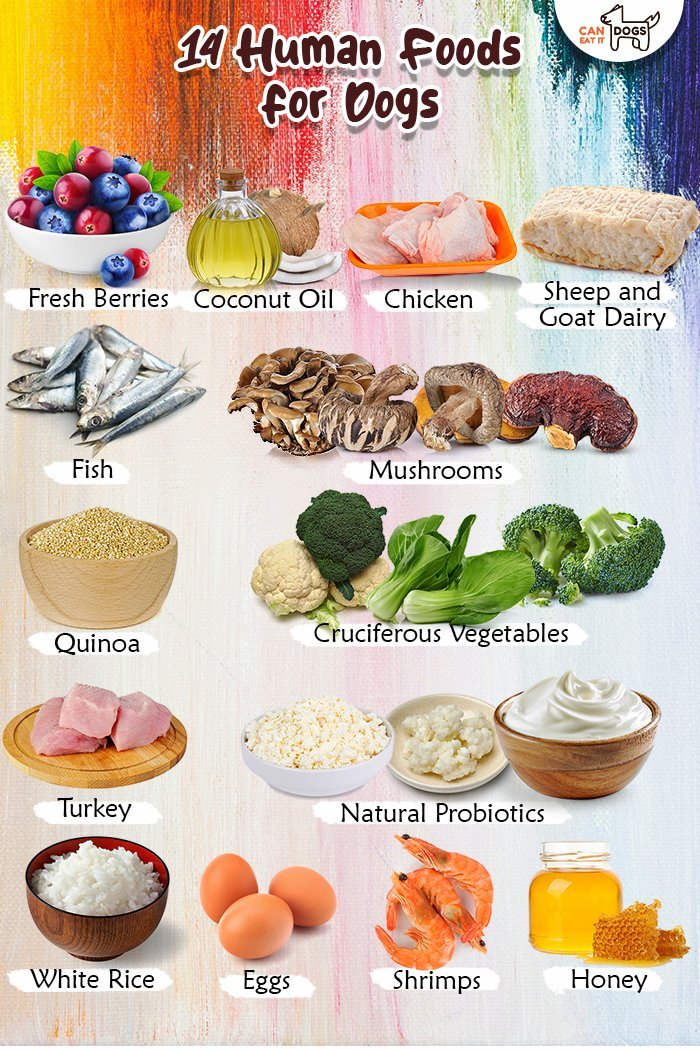
Some human foods like plain boiled chicken, carrots, and plain rice are safe and healthy, but many others are toxic. Never feed your dog onions, grapes, chocolate, or anything containing xylitol. Always consult your vet before adding human foods to a balanced commercial diet to ensure you aren’t creating nutritional imbalances or contributing to obesity.
How often should I feed?
Most adult dogs thrive on two meals per day, while puppies require three to four smaller meals to support their rapid growth. Feeding on a consistent schedule helps regulate their digestive system and makes it easier to monitor their appetite. If your dog suddenly refuses food, it may be a sign of illness, and you should contact your veterinarian.
What is the best brand?
There’s no single “best” brand, as the right choice depends on your dog’s age, breed, and health requirements. Look for brands that conduct feeding trials rather than just laboratory analysis. Reputable companies often employ board-certified veterinary nutritionists to formulate their recipes. Focus on brands that provide transparency regarding where their ingredients are sourced and how their manufacturing facilities are audited.
Does my dog need supplements?
If you’re feeding a high-quality, “complete and balanced” commercial dog food, your pet likely doesn’t need extra supplements. Adding unnecessary vitamins can sometimes lead to toxicity or interfere with nutrient absorption. Only add supplements like glucosamine or fish oil if specifically recommended by your veterinarian to address a diagnosed health condition or age-related mobility issue.
Why is my dog eating grass?
Dogs often eat grass for various reasons, including boredom, instinct, or a desire to soothe an upset stomach. While it’s generally not a cause for concern, if your dog is eating large amounts of grass or appears to be in pain, it’s worth a vet visit. Ensure the grass is free from pesticides or fertilizers, which can be toxic.
Establish a consistent feeding routine by measuring your dog’s portions with a standard kitchen scale rather than a scoop to ensure accuracy. Monitor their weight every two weeks, and if you notice any significant changes in their body condition, consult your veterinarian to adjust their caloric intake accordingly. Your dog’s long-term health starts with the bowl you fill today.