

Giving your dog healthy food involves selecting balanced meals that meet their specific nutritional requirements for energy, growth, and immune support. Every dog requires a mix of proteins, fats, carbohydrates, vitamins, and minerals to thrive throughout their life stages. Because canine biology differs significantly from human metabolism, understanding the distinction between beneficial whole foods and potentially dangerous household ingredients is the most important step in being a responsible pet owner.
Key Takeaways
- Always consult a veterinarian before making major changes to your dog’s daily meal plan.
- Prioritize commercial diets that meet AAFCO nutritional standards for life-stage consistency.
- Avoid feeding human leftovers, as high salt and fat content can cause digestive distress.
- Keep fresh, clean water available at all times to support kidney health and digestion.
- Monitor your dog’s weight regularly to prevent obesity-related health complications.
What To Give Your Dog To Eat
Feeding your dog correctly starts with high-quality commercial kibble or canned food. These products are formulated by veterinary nutritionists to provide a precise balance of nutrients. You should look for brands that list a named protein source—such as chicken, beef, or salmon—as the very first ingredient. Avoid products that rely heavily on grain fillers or artificial additives, as these offer little long-term health value.
| Nutrient Type | Common Sources | Primary Benefit |
|---|---|---|
| Animal Protein | Chicken, Beef, Turkey | Muscle maintenance |
| Healthy Fats | Fish Oil, Flaxseed | Skin and coat health |
| Complex Carbs | Sweet Potato, Brown Rice | Sustained energy levels |
| Fiber Sources | Pumpkin, Carrots | Digestive tract regulation |
Safe Human Foods For Dogs
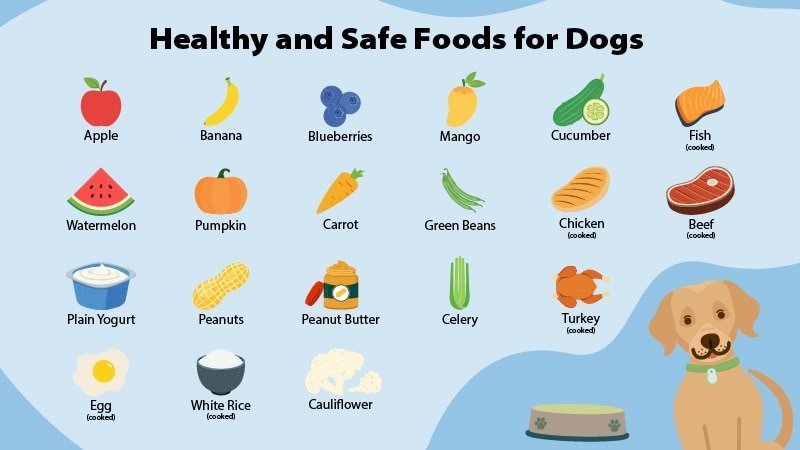
While commercial food should make up at least 90% of a dog’s diet, certain human foods can serve as safe, nutritious treats. These should be given in moderation to avoid disrupting their primary calorie intake. Always wash fresh produce thoroughly to remove pesticides and serve items in small, manageable pieces to prevent choking hazards, especially in smaller dog breeds.
- Blueberries: Packed with antioxidants and vitamins.
- Plain Pumpkin: Excellent for soothing upset stomachs.
- Carrots: Great for dental health and crunch.
- Cooked Chicken: A bland, high-protein snack option.
- Green Beans: A low-calorie filler for weight management.
Foods That Are Strictly Forbidden
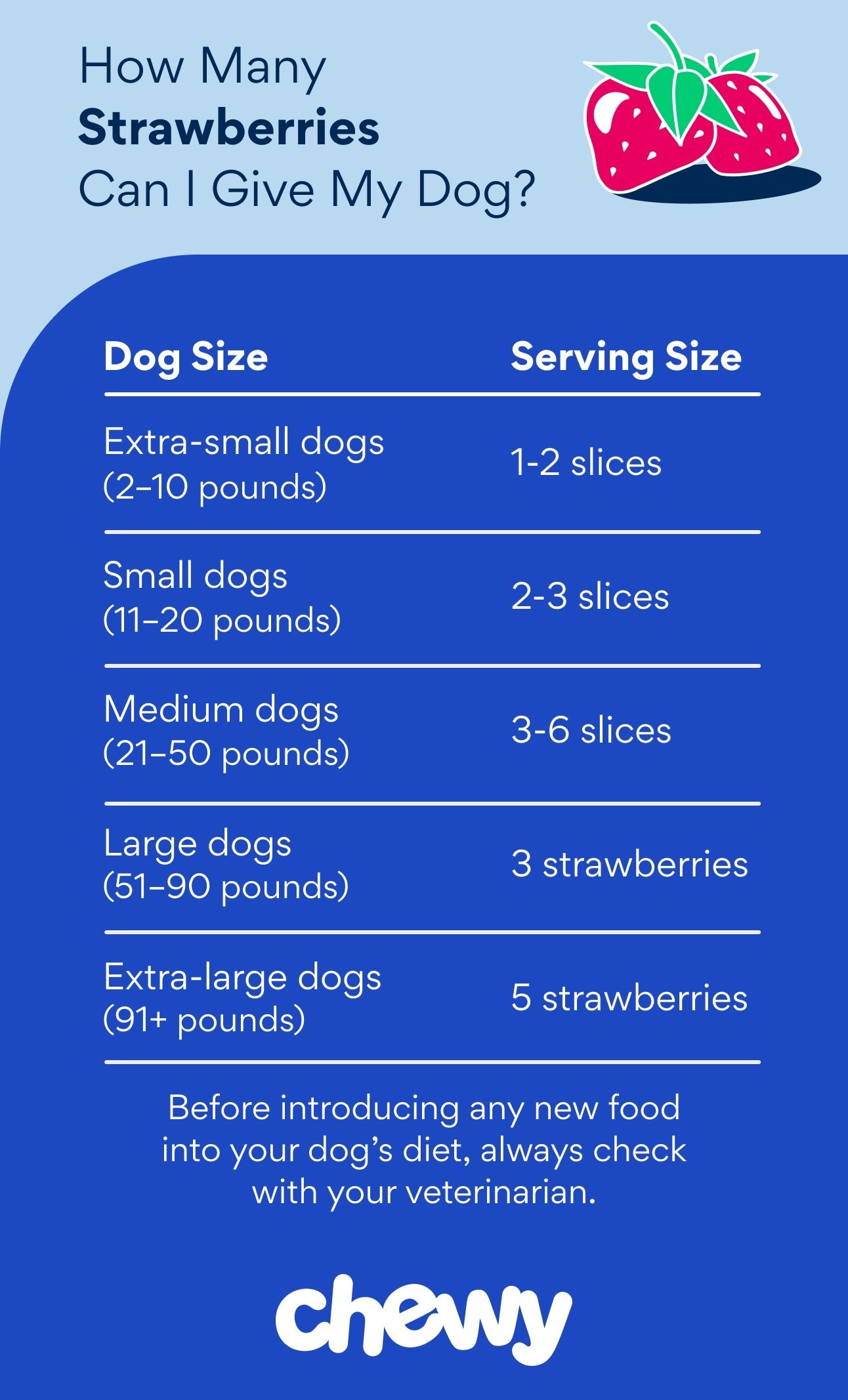
Some common pantry staples are toxic to dogs and must be kept completely out of reach. Even small amounts can lead to severe organ failure or neurological issues. If you suspect your dog has ingested any of the following, contact your veterinarian or an emergency animal clinic immediately.
- Chocolate and Caffeine: Contain methylxanthines that cause tremors.
- Grapes and Raisins: Linked to sudden kidney failure.
- Onions and Garlic: Can damage a dog’s red blood cells.
- Xylitol: An artificial sweetener found in sugar-free gum.
- Macadamia Nuts: Cause weakness and vomiting in canines.
How Much Should Dogs Eat?
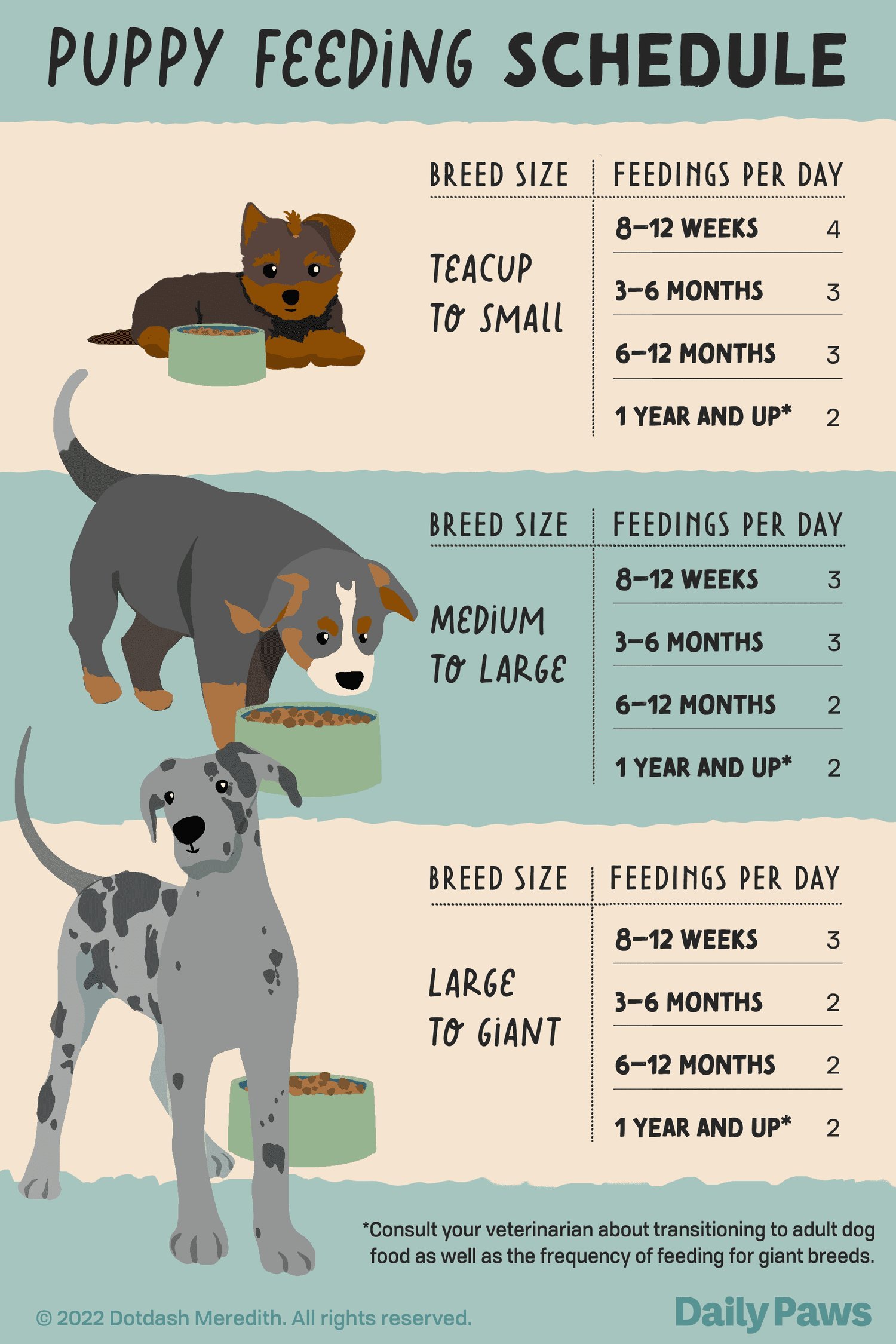
Determining the right portion size depends on your dog’s age, activity level, and current body condition score. Use these as a starting point, but adjust based on your dog’s actual metabolic needs.
| Life Stage | Feeding Frequency | Portion Control Strategy |
|---|---|---|
| Puppy | 3–4 times daily | Weight-based growth charts |
| Adult | 1–2 times daily | Activity-level adjustments |
| Senior | 1–2 times daily | Calorie-restricted formulas |
Warning: Always introduce new foods slowly over a period of seven to ten days by mixing them with the current diet to prevent gastrointestinal upset or diarrhea.
Can Dogs Eat Raw Meat?
There’s significant debate surrounding the raw food diet. Proponents argue it mimics ancestral eating habits, while many veterinarians express concern over the risk of bacterial contamination like Salmonella or E. coli. Raw diets also carry a risk of nutritional imbalances if not carefully planned. If you choose this path, you must prioritize food safety protocols and work with a veterinary nutritionist to ensure your dog receives all essential amino acids and calcium levels.
Managing Your Dog’s Weight
Obesity is a leading cause of preventable diseases in domestic dogs, including diabetes and joint issues. To manage weight, measure every meal using a standard cup rather than free-feeding. If your dog is overweight, swap high-calorie treats for crunchy vegetables like cucumber slices or green beans. Increasing daily exercise, such as brisk walks or fetch, will also help burn off excess calories while building lean muscle mass.
Frequently Asked Questions
Is it okay to feed dogs table scraps?
Feeding table scraps is generally discouraged. Human food is often too high in salt, sugar, and fat, which can lead to pancreatitis or obesity. Additionally, many common ingredients like onions or garlic are toxic to dogs. If you must share, stick to plain, unseasoned vegetables or small pieces of lean meat, ensuring these items never exceed 10% of their daily caloric intake.
How do I know if my dog has a food allergy?
Symptoms of food allergies often include chronic ear infections, itchy skin, paw licking, or frequent gastrointestinal distress. If you suspect an allergy, your vet may recommend an elimination diet to identify the specific protein or grain causing the reaction. Don’t attempt to diagnose allergies yourself, as these symptoms can also indicate environmental sensitivities or underlying health conditions that require clinical treatment.
Can dogs drink milk safely?
Most adult dogs are lactose intolerant. While some can handle small amounts of dairy without issue, many will experience gas, bloating, or diarrhea after consuming milk or cheese. It’s best to avoid dairy products entirely to prevent digestive discomfort. If you want to give your dog a treat, look for lactose-free alternatives or safer, vegetable-based options that provide better nutritional value without the risk of an upset stomach.
Why is my dog eating grass?
Dogs often eat grass for various reasons, including boredom, instinct, or a mild attempt to soothe an upset stomach. While grass eating is common, it’s usually harmless unless the grass has been treated with pesticides or fertilizers. Ensure your yard is chemical-free, and monitor your dog for signs of illness. If the grass-eating behavior is obsessive or accompanied by vomiting, consult your veterinarian for an examination.
Establishing a consistent, high-quality routine is the most effective way to ensure your dog remains healthy and happy for years to come. Start by reviewing the ingredient labels on your current brand to confirm it meets your dog’s specific needs, and schedule a wellness check with your local veterinarian to discuss any necessary dietary adjustments for their unique activity level.