

Deciding which dog food is better depends on your pet’s age, size, and health needs, as the right diet must meet specific nutritional profiles. Most veterinarians agree that a diet balanced for your pet’s life stage is more important than choosing between wet, dry, or raw formats.
High-quality commercial food is formulated to meet standards set by the Association of American Feed Control Officials. These standards ensure that your pet receives the correct balance of proteins, fats, and essential vitamins in every serving.
How to choose the right diet
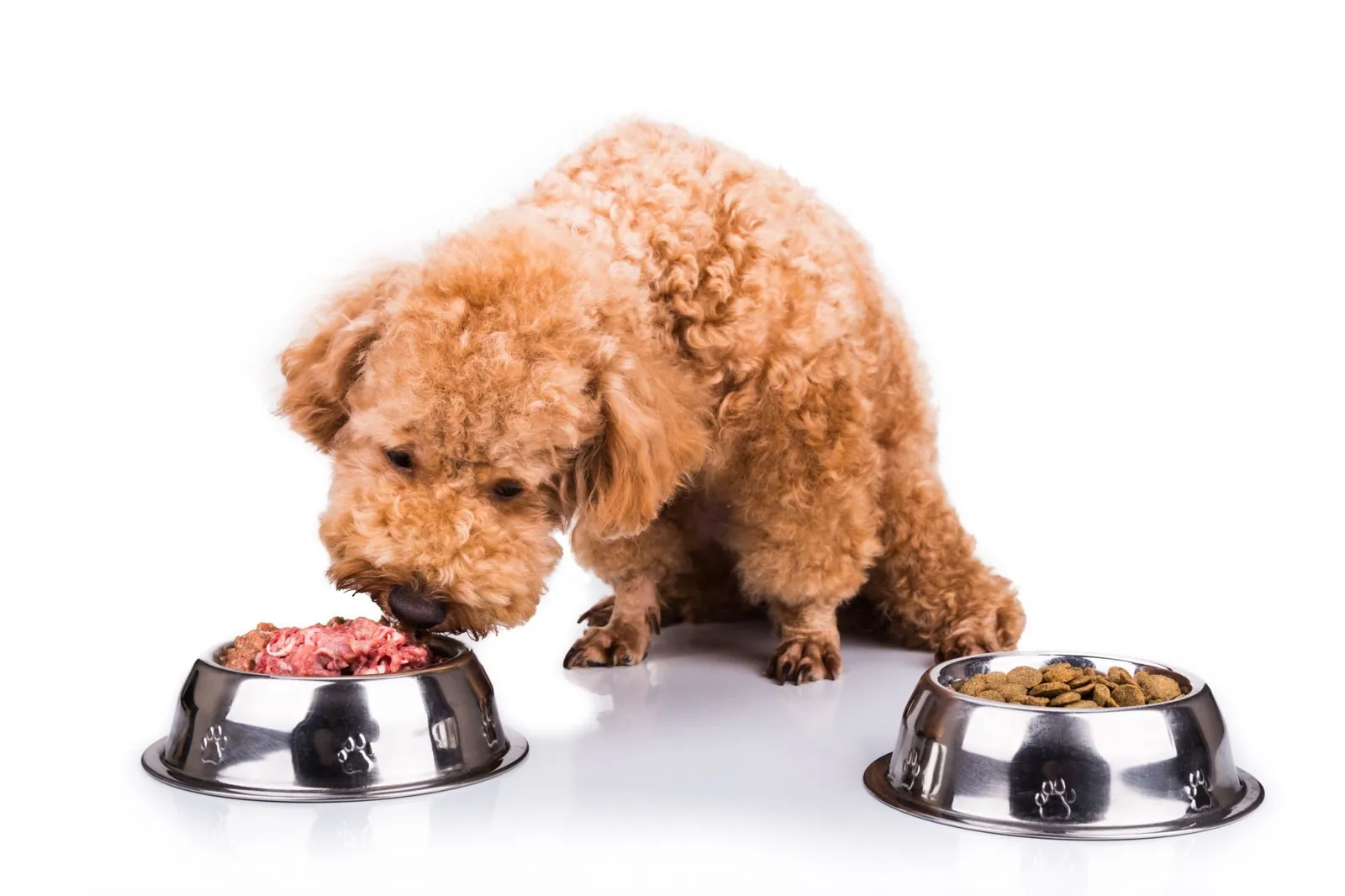
The most important factor is confirming that the food label explicitly states it meets nutritional levels for your dog’s life stage. If your dog is a puppy, it requires higher levels of specific nutrients for growth compared to an adult animal.
A common mistake is choosing food based on marketing buzzwords like “holistic” or “ancestral” rather than reading the nutritional adequacy statement. These words aren’t regulated and don’t guarantee a healthier product for your specific dog.
Choosing better food for your dog
You should prioritize foods that have undergone feeding trials rather than those that only meet nutrient profiles by calculation. Feeding trials prove that the food actually provides the necessary nutrients when consumed by live animals.
- Check the label for the AAFCO statement of nutritional adequacy to ensure it matches your dog’s life stage.
- If your dog has a sensitive stomach, choose a formula with a single protein source to make digestion easier.
- Measure portions using a standard kitchen scale rather than a cup to prevent accidental overfeeding or weight gain.
- Consult your veterinarian before switching to a grain-free or raw diet, as these can carry specific health risks for certain breeds.
Tip: If your dog is a small breed, ensure the kibble size is small enough to prevent choking. For large breeds, look for formulas that support joint health with added glucosamine.
Time required for diet changes
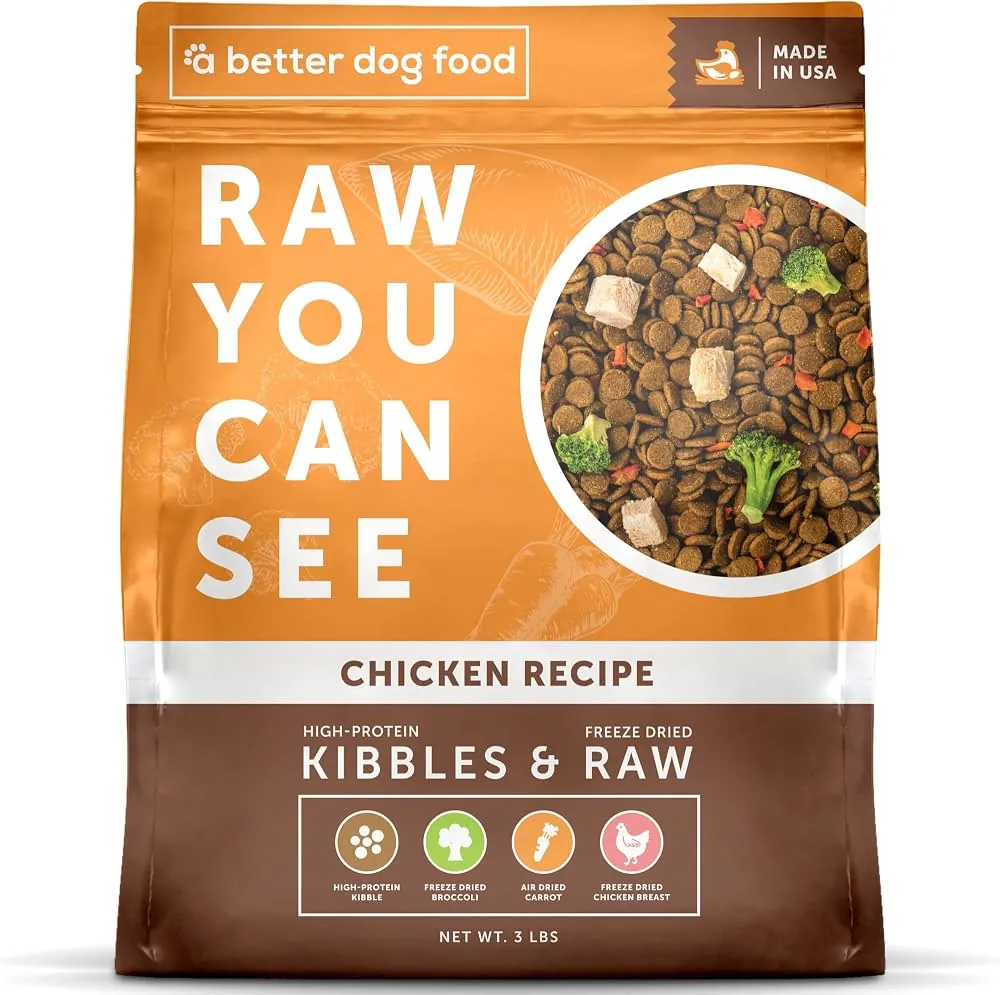
Transitioning your dog to a new food is a process that requires patience to avoid digestive upset. Don’t switch brands overnight, as a sudden change often leads to vomiting or diarrhea in sensitive dogs.
| Transition Day | New Food Amount | Old Food Amount |
|---|---|---|
| Days 1-2 | 25% | 75% |
| Days 3-4 | 50% | 50% |
| Days 5-6 | 75% | 25% |
| Day 7+ | 100% | 0% |
If your dog shows signs of loose stools, stay on the current ratio for two extra days before proceeding.
Signs of a healthy diet
You can tell if a food is working by observing your dog’s physical condition over a period of four to six weeks. A healthy dog will have a shiny coat, clear eyes, and firm, consistent stools.
If your dog is losing weight or seems lethargic, the calorie density of the current food might be too low. Conversely, if your dog is gaining weight, you must reduce the daily portion size or switch to a weight-management formula. The final test is your veterinarian’s assessment of your dog’s body condition score during your annual wellness checkup.
Mistakes that affect health
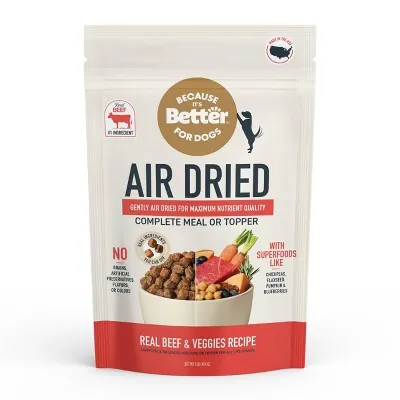
- Overfeeding based on bag instructions: Many bags list serving sizes that are too high for sedentary house pets, leading to obesity. Always start at the lower end of the recommended range and adjust based on your dog’s activity level.
- Mixing in too many table scraps: Adding human food creates an unbalanced diet and often leads to begging behaviors. Stick to dog-specific treats and keep them under 10% of the total daily caloric intake.
- Ignoring expiration dates: Old food can lose nutritional value or grow mold, which harms your dog’s immune system. Store food in its original bag inside an airtight container to keep it fresh for as long as possible.
Frequently asked questions
Can I feed my dog human food?
You can feed some human foods like plain cooked chicken or carrots, but only as occasional treats. Never feed your dog onions, garlic, grapes, or chocolate, as these are toxic. Human food should never make up more than 10% of their total daily calories to maintain a balanced diet.
How often should I feed my dog?
You should feed adult dogs two meals per day to keep their energy levels stable. Puppies typically require three to four smaller meals daily to support their rapid growth. Always use a consistent schedule to help your dog maintain a regular digestive rhythm throughout the day.
Is grain-free food better for dogs?
No, grain-free food isn’t inherently better unless your dog has a diagnosed grain allergy. Most dogs digest grains like rice and oats easily and benefit from the fiber they provide. Only switch to grain-free if your veterinarian confirms a specific medical need for your dog.
What happens if I change my dog’s food too fast?
If you change food too fast, your dog will likely experience vomiting, gas, or diarrhea. This happens because the gut microbiome needs time to adjust to new ingredients. Always use a seven-day transition period to mix the old and new food gradually to prevent these stomach issues.
How do I know if my dog is allergic to their food?
You’ll see signs like chronic ear infections, itchy skin, or frequent paw licking if your dog has a food allergy. If you suspect an allergy, your veterinarian may suggest a strict elimination diet. Don’t try to diagnose this yourself, as skin issues often have environmental causes.
Is wet food better than dry food?
Wet food isn’t inherently superior to dry food, though it offers extra hydration for dogs that struggle to drink enough water. Dry food is more convenient and helps maintain dental health through mechanical friction. Many owners choose to mix both to provide variety and balance for their pets.
Conclusion
Ultimately, your dog’s bowl should be filled with quality ingredients that keep them happy and energetic. If you’re still unsure about the perfect match, don’t hesitate to schedule a quick chat with your vet. They’ll help you create a feeding plan that’s tailored to your best friend’s unique needs.