
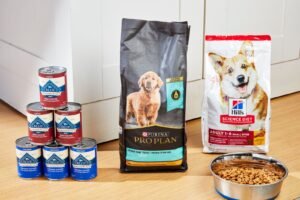
The best diet for a healthy pet is a complete and balanced formula that meets the nutritional standards set by the Association of American Feed Control Officials. Determining the best food for your dog requires looking at your specific pet’s age, weight, and activity level.
Choosing the Best Food for Your Dog
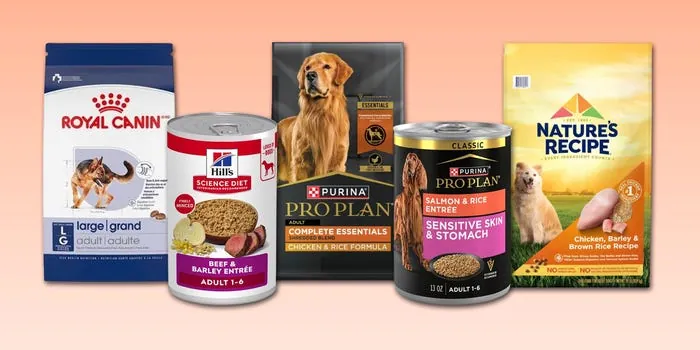
- Check the label for an AAFCO statement confirming the food is complete and balanced for your pet’s life stage.
- Select formulas labeled for “growth” for puppies and “adult maintenance” for healthy adult dogs to ensure proper nutrient density.
- Consult your veterinarian before choosing specialized diets, such as grain-free or raw, as these may not suit every dog’s health needs.
- Measure portions using a standard kitchen cup based on the feeding guidelines on the bag to prevent obesity.
- Monitor your dog’s body condition score regularly; if your dog gains weight, reduce the daily portion by 10%.
- Transition to new food over seven days by mixing increasing amounts of the new brand into the current one.
Why Nutritional Standards Matter
The primary reason to prioritize AAFCO-compliant food is that these products have undergone testing or formulation reviews to ensure they contain every essential nutrient. Dogs require specific ratios of amino acids, minerals, and vitamins that are difficult to balance through home-cooked meals alone.
If you choose a food without an AAFCO statement, you risk exposing your dog to nutritional deficiencies or toxic levels of vitamins. Commercial manufacturers use laboratory analysis or formulation reviews to verify that their products meet these regulatory requirements. Always read the back of the package for the nutritional adequacy statement. This text tells you exactly which life stage the food supports, such as puppy growth or adult maintenance.
When Your Dog Needs a Different Diet
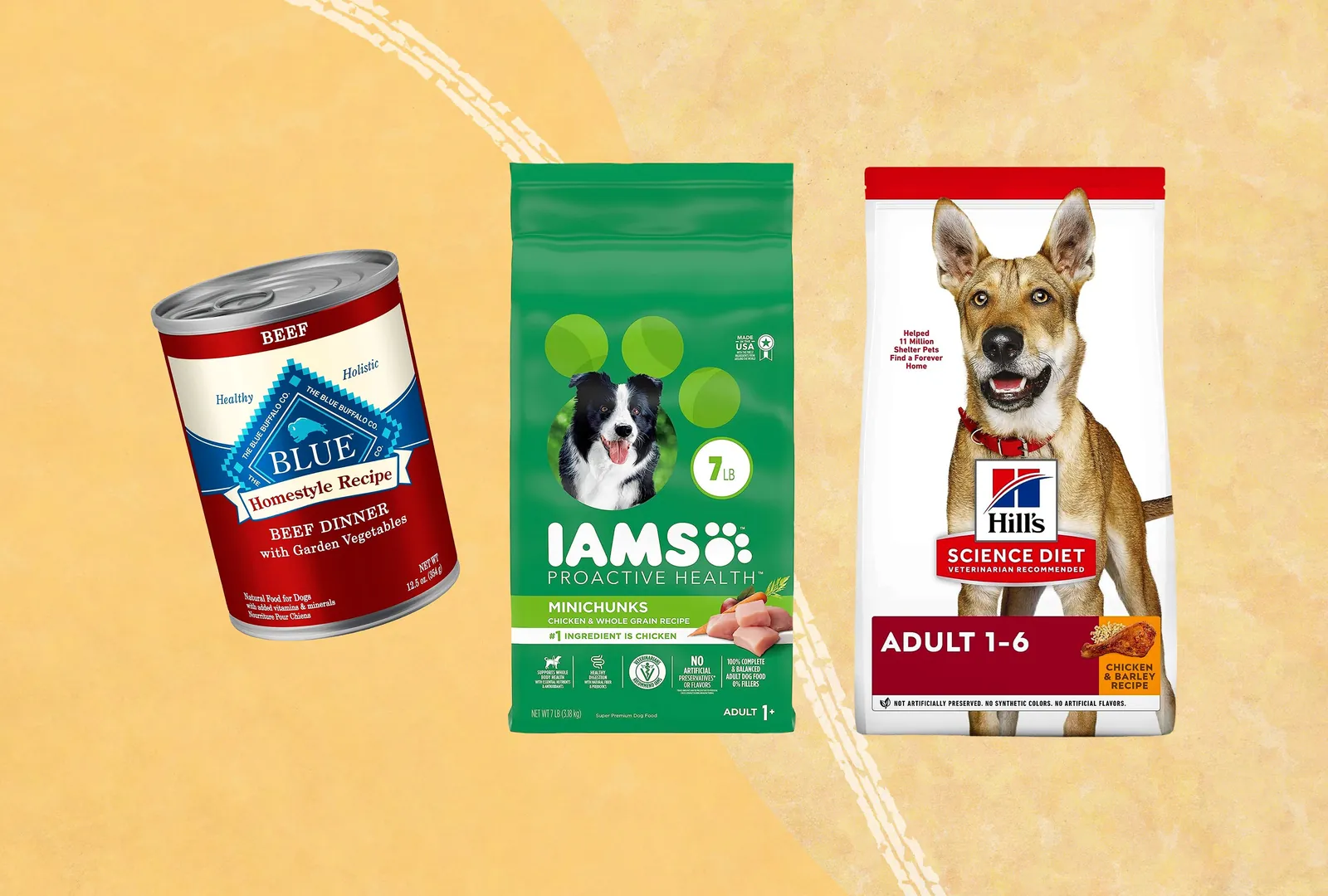
The standard recommendation of a balanced commercial kibble doesn’t apply to every dog. Some animals require clinical intervention due to underlying health issues.
| Situation | What changes | What to do instead |
|---|---|---|
| Food allergies | Protein/carbohydrate sources | Use a vet-prescribed hydrolyzed diet |
| Kidney disease | Phosphorus/protein levels | Switch to renal-support prescription food |
| Weight loss | Calorie density | Feed a high-fiber weight-management formula |
| Sensitive stomach | Digestibility | Choose easily digestible limited-ingredient food |
| Puppyhood | Nutrient density | Feed a puppy-specific growth formula |
How to Feed Your Dog Properly
- Calculate your dog’s daily caloric needs by checking the feeding chart on the bag based on their current weight.
- Use a standard measuring cup or a digital kitchen scale to measure the exact amount of food for each meal.
- Divide the total daily portion into two equal meals to help your dog feel full and maintain stable energy levels.
- Store dry food in its original bag inside a sealed plastic or metal container to keep it fresh and prevent pests.
- Wash your dog’s food and water bowls daily with hot, soapy water to prevent the growth of harmful bacteria like Salmonella.
- Observe your dog for changes in stool quality or energy levels during the first week of a new diet.
Common Mistakes That Ruin Your Dog’s Health
Photo: www.businessinsider.com on Google
- Adding too many table scraps leads to obesity and can cause dangerous inflammation of the pancreas.
- Changing food brands too quickly often results in severe diarrhea and digestive upset for the animal.
- Free-feeding by leaving a full bowl out all day makes it impossible to track how much your dog actually eats.
- Ignoring the “best by” date can result in rancid fats in the food, which are unappealing and potentially unhealthy.
Frequently asked questions
How much should I feed my dog every day?
You should feed your dog based on the specific caloric density of the brand you use, which is found on the package’s feeding guide. If your dog is sedentary, start at the lower end of the weight range provided on the label.
Is grain-free food better for my dog?
There’s no medical evidence that grain-free food is better for the average dog unless they have a diagnosed grain allergy. Most dogs digest grains like rice or oats easily, and these provide essential energy and fiber for a healthy gut.
How do I know if my dog is overweight?
Your dog is likely overweight if you can’t easily feel their ribs when running your hands gently along their side. A healthy dog should have a visible waistline when viewed from above and a slight abdominal tuck when viewed from the side.
Can I feed my dog human food?
You can feed your dog small amounts of plain, cooked vegetables like carrots or green beans, but avoid onions, garlic, grapes, and chocolate. These items are toxic to dogs and should never be used as treats or dietary additions.
How often should I change my dog’s food brand?
You shouldn’t change your dog’s food brand unless there’s a specific health reason to do so, such as an allergy. Dogs thrive on consistency, and frequent switching can cause unnecessary digestive stress and make it harder to spot health issues.
Is raw food safer than kibble?
Raw food carries a higher risk of bacterial contamination like E. coli and Salmonella, which can affect both the dog and the humans in the home. Commercial kibble is processed at temperatures that significantly reduce these pathogens, making it the safer choice for most households.
Conclusion
Selecting the right food comes down to matching the product’s nutritional adequacy to your dog’s current life stage and health status. By following the feeding guidelines on the package and monitoring your pet’s body condition, you provide the best foundation for a long and active life. Always consult your veterinarian before making major changes to your dog’s diet, especially if they have chronic health conditions.