
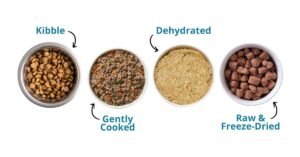
You can best feed your dog by choosing a balanced, commercial diet that meets the nutritional standards set by the Association of American Feed Control Officials.
Nutritional balance matters more than any single ingredient. If your dog gets high-quality protein but lacks essential minerals, it will suffer health problems over time.
The biggest mistake owners make is choosing food based on marketing terms like “grain-free” or “natural” rather than the nutrient profile. These labels don’t guarantee that the food is complete or safe for your pet.
The right way to feed your dog things
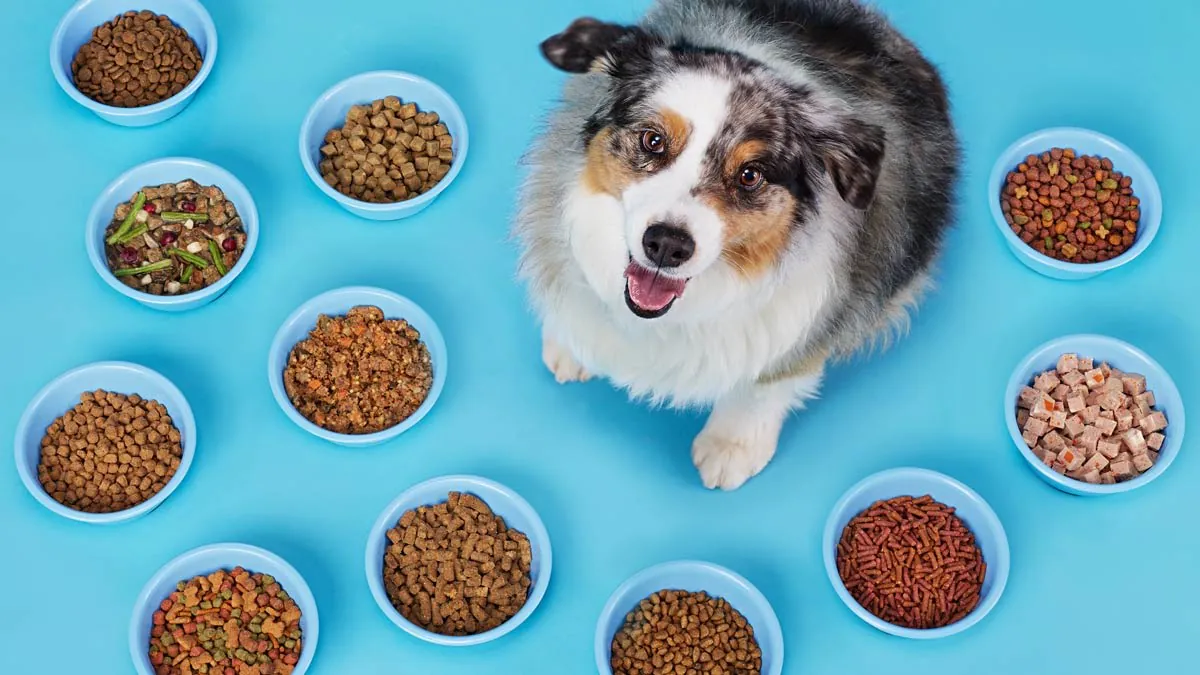
- Check the label for a statement that the food is “complete and balanced” for your dog’s life stage, such as puppy, adult, or senior.
- Measure your dog’s portions using a standard measuring cup based on the feeding guide printed on the bag.
- Divide the total daily amount into two equal meals to help with digestion and keep your dog satisfied throughout the day.
- Limit treats to no more than 10% of your dog’s total daily calories to prevent unwanted weight gain.
- Provide fresh, clean water at all times in a bowl that you wash with soap and water daily.
Tip: If you’re switching to a new brand, mix it with the old food over 7 days, slowly increasing the new food while decreasing the old. This helps prevent stomach upset.
Tip: Always consult your veterinarian before starting any homemade diet, as these often lack the calcium or phosphorus levels required for long-term health AAFCO nutritional standards.
Time Required for Feeding and Transition
The time it takes to manage your dog’s diet depends on the feeding method you choose. Dry food is the fastest option, while fresh or raw diets require more prep work and storage management.
| Situation | Time Required | What changes it | What to watch for |
|---|---|---|---|
| Dry kibble | 1-2 minutes | Portion size | Eating speed |
| Canned food | 2-3 minutes | Storage/warming | Spoiled leftovers |
| Home-cooked | 30-60 minutes | Batch size | Nutrient balance |
If your dog stops eating or shows signs of digestive distress for more than 24 hours, contact your veterinarian immediately.
Signs of a Healthy Diet
You can tell your dog is doing well by looking at its energy, coat, and waste. A healthy dog should have a shiny coat without dry, flaky skin. Its stool should be firm and consistent, which indicates that its body is absorbing the nutrients properly.
The most accurate way to check if the food is working is to monitor your dog’s body condition score. If you can’t feel its ribs with light pressure or if its waist isn’t visible from above, it may be eating too much. Always follow the weight management guidelines provided by the World Small Animal Veterinary Association to keep your dog at a healthy size.
Mistakes That Ruin Nutrition
Photo: www.aseertime.com on Google
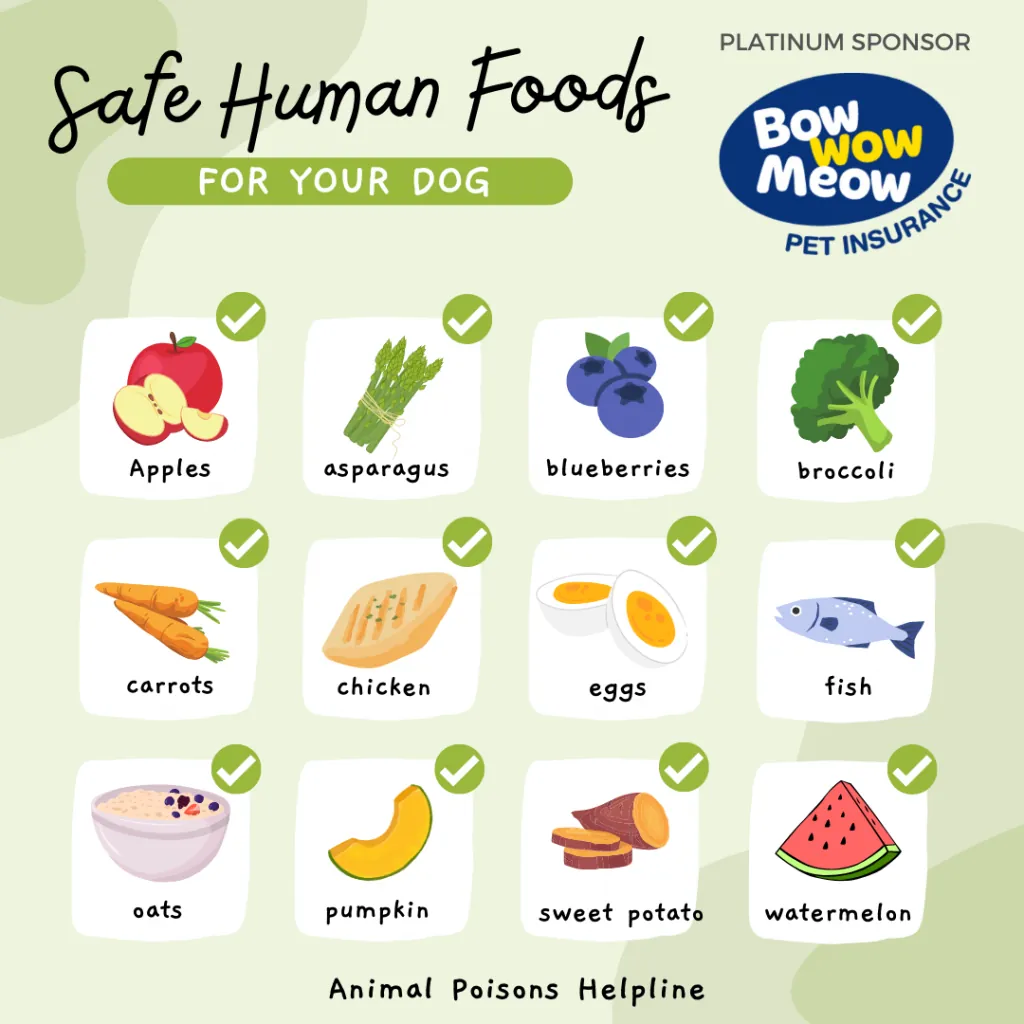
- Feeding table scraps: Human food is often too high in fat or salt, which can cause pancreatitis or obesity. Stick to dog-specific food and limit human-grade rewards to small, plain pieces of cooked meat or vegetables.
- Overfeeding based on appetite: Dogs will often eat more than they need if given the chance, leading to joint stress and heart issues. Use a scale or a measured cup rather than “eyeballing” the amount to ensure you stick to the bag’s serving size.
- Ignoring expiration dates: Old food can lose its nutritional value or become contaminated with mold, which is dangerous for your pet. Store dry food in a cool, dry place and try to use the entire bag within 2 to 4 weeks of opening.
Frequently asked questions
How much should I feed my dog each day?
The amount depends on your dog’s weight, age, and activity level. Check the feeding chart on the back of your specific food bag, which provides the starting amount based on your dog’s weight. Adjust this amount if your dog begins to gain or lose weight over a two-week period.
Is it safe to feed my dog raw meat?
No, feeding raw meat carries a significant risk of bacterial contamination like Salmonella or E. coli for both the dog and the human family. Most veterinary organizations advise against raw diets because they’re difficult to balance and pose a safety risk to the household members who handle the food.
Why does my dog eat grass?
Dogs often eat grass due to boredom or a natural instinct, rather than a nutritional deficiency. While occasional grazing is usually harmless, you should ensure your dog is getting enough fiber from its regular diet. If the behavior is constant, check with your vet to rule out underlying digestive issues.
Can I feed my dog human food?
Yes, but only in moderation and if the food is plain and safe. You can offer small amounts of cooked chicken, carrots, or green beans, but never give onions, garlic, chocolate, or grapes. These items are toxic to dogs and can cause severe illness even in small amounts.
How often should I feed my adult dog?
Most adult dogs thrive on two meals per day, one in the morning and one in the evening. This schedule helps regulate their blood sugar and keeps them from feeling overly hungry. If your dog has a medical condition, follow the specific feeding schedule provided by your veterinarian.
How long does an open bag of dog food last?
An open bag of dry kibble stays fresh for about 2 to 4 weeks if kept in a cool, dry place. To maintain quality, keep the food in its original bag inside a sealed container. Exposure to air and humidity causes the fats in the food to go rancid, which ruins the flavor.
Conclusion
Proper nutrition is a long-term commitment that changes as your dog ages. By sticking to high-quality, balanced food and monitoring your dog’s weight regularly, you help ensure a long and active life. Always use your vet as your primary resource for any concerns about your dog’s weight or specific health requirements.