
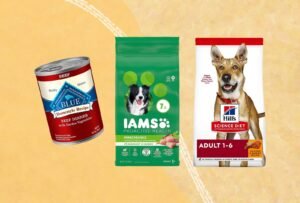
The brands that meet high quality dog food standards include Royal Canin, Hill’s Science Diet, and Purina Pro Plan. These companies employ veterinary nutritionists to formulate diets based on life stage, size, and specific health needs rather than trends or marketing gimmicks.
Some high quality dog food brands to know
- Look for the AAFCO nutritional adequacy statement on the label to ensure the food provides complete and balanced nutrition for your dog’s age.
- Prioritize brands that conduct feeding trials instead of just calculating nutrient profiles to verify that the food supports long-term health.
- Check the ingredient list for specific protein sources, such as chicken or beef, rather than generic terms like “meat meal.”
- If your dog has a sensitive stomach, choose formulas with limited ingredients or those designed for easy digestion by major veterinary-backed brands.
- Consult your veterinarian before switching brands, especially if your dog has existing health conditions or requires a specialized therapeutic diet.
Why veterinary support matters for food
Quality in pet food is defined by the scientific rigor behind the formulation. Major brands like Royal Canin and Hill’s Science Diet invest heavily in research facilities where they study how specific nutrients impact canine health over time. Unlike smaller boutique brands that may focus on human-grade marketing, these companies follow the Association of American Feed Control Officials guidelines to ensure every nutrient level is safe and effective for daily consumption.
These brands are reliable because they maintain strict quality control in their manufacturing plants. A specific brand is safer because it performs regular testing for pathogens and nutrient consistency. They also have the resources to handle product recalls properly if a contamination risk appears. If you choose a brand without these resources, you risk feeding your dog a product that lacks the necessary clinical validation for long-term safety.
When your dog needs a different diet
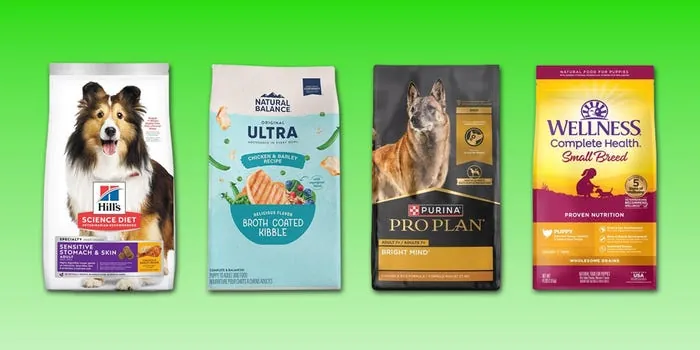
The standard recommendations change when your dog has unique health requirements or specific activity levels that standard formulas can’t address.
| Situation | What changes | What to do instead |
|---|---|---|
| Food allergies | Protein and grain sources | Use limited ingredient diets |
| Kidney disease | Phosphorus and protein levels | Use prescription renal formulas |
| Weight management | Calorie density per cup | Use low-fat satiety formulas |
| Puppy growth | Calcium to phosphorus ratio | Use large breed puppy food |
| Senior status | Joint support and calories | Use senior-specific nutrient blends |
Steps for choosing the right food
- Identify your dog’s current life stage, as puppies require more calories and specific minerals compared to adult or senior dogs.
- Assess your dog’s activity level; a high-energy working dog needs a higher calorie density than a dog that spends most days resting.
- Read the back of the bag for the AAFCO statement, which confirms the food has passed a feeding trial or meets nutrient profiles.
- Check for the manufacturer’s contact information on the package, as reliable brands are always willing to answer questions about their sourcing.
- Transition the food slowly by mixing 25% new food with 75% old food for three days, then increasing the ratio gradually.
- Monitor your dog’s stool quality and energy levels for two weeks; if you see major changes, talk to your local veterinarian.
Common mistakes that ruin nutrition
- Switching food too quickly often causes severe digestive upset, including vomiting and diarrhea, which can lead to dehydration.
- Adding too many human food scraps disrupts the nutritional balance of a complete diet and can lead to dangerous obesity.
- Picking food based solely on the first ingredient ignores the importance of the overall nutrient profile and digestibility of the entire formula.
- Ignoring the serving size guidelines on the bag leads to overfeeding, which is the most common cause of weight gain in dogs.
Frequently asked questions
Does grain-free food provide better nutrition?
No, grain-free food isn’t inherently better for most dogs unless they have a diagnosed grain allergy. Most dogs digest grains like rice or oats easily, and these provide essential fiber and energy that support healthy digestion and heart function.
How do I know if my dog likes the food?
Your dog will show enthusiasm during mealtime and maintain a consistent appetite if they like the food. If they suddenly stop eating or seem lethargic after a switch, consult your veterinarian to rule out a medical issue or an intolerance.
Is expensive food always healthier?
No, price doesn’t always equal quality, but research and safety testing usually cost more for the manufacturer. Focus on brands that employ board-certified veterinary nutritionists and publish their research rather than choosing a food based solely on a high price tag.
Can I mix two different dog food brands?
Yes, you can mix brands, but it makes it difficult to track what caused a problem if your dog gets sick. If you choose to mix, ensure both brands meet the same nutritional standards and keep the total daily calories within your dog’s needs.
How often should I change my dog’s food?
You shouldn’t change your dog’s food unless there’s a medical reason or they reach a new life stage. Consistency is better for a dog’s digestive system, so find a high-quality brand they enjoy and stick with that specific formula.
What happens if I feed a puppy adult food?
Feeding an adult formula to a puppy can lead to developmental issues because it lacks the specific calcium and phosphorus ratios needed for bone growth. Always use a formula labeled for growth or “all life stages” until your veterinarian says otherwise.
Is it safe to feed raw food?
No, feeding raw food carries significant risks of bacterial contamination, such as Salmonella or Listeria, which can affect both the dog and the human household. Most veterinarians recommend cooked, commercially prepared diets for safety and nutritional balance.
Conclusion
Choosing the right food is about finding a balance between your dog’s individual needs and the proven safety record of the brand. By sticking to companies that invest in scientific research and veterinary expertise, you provide a foundation for your dog’s health that goes beyond what you see on the front of a colorful bag. Always watch for physical changes and rely on your veterinarian’s guidance when making long-term changes to your dog’s daily meals.