
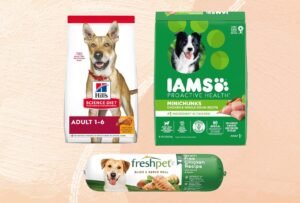
Brands like Purina Pro Plan, Hill’s Science Diet and Royal Canin make good dog food because they meet strict feeding-trial standards. The right pick depends on your dog’s age, size and health needs. A puppy formula won’t support an older dog properly.
Good dog food brands at a glance
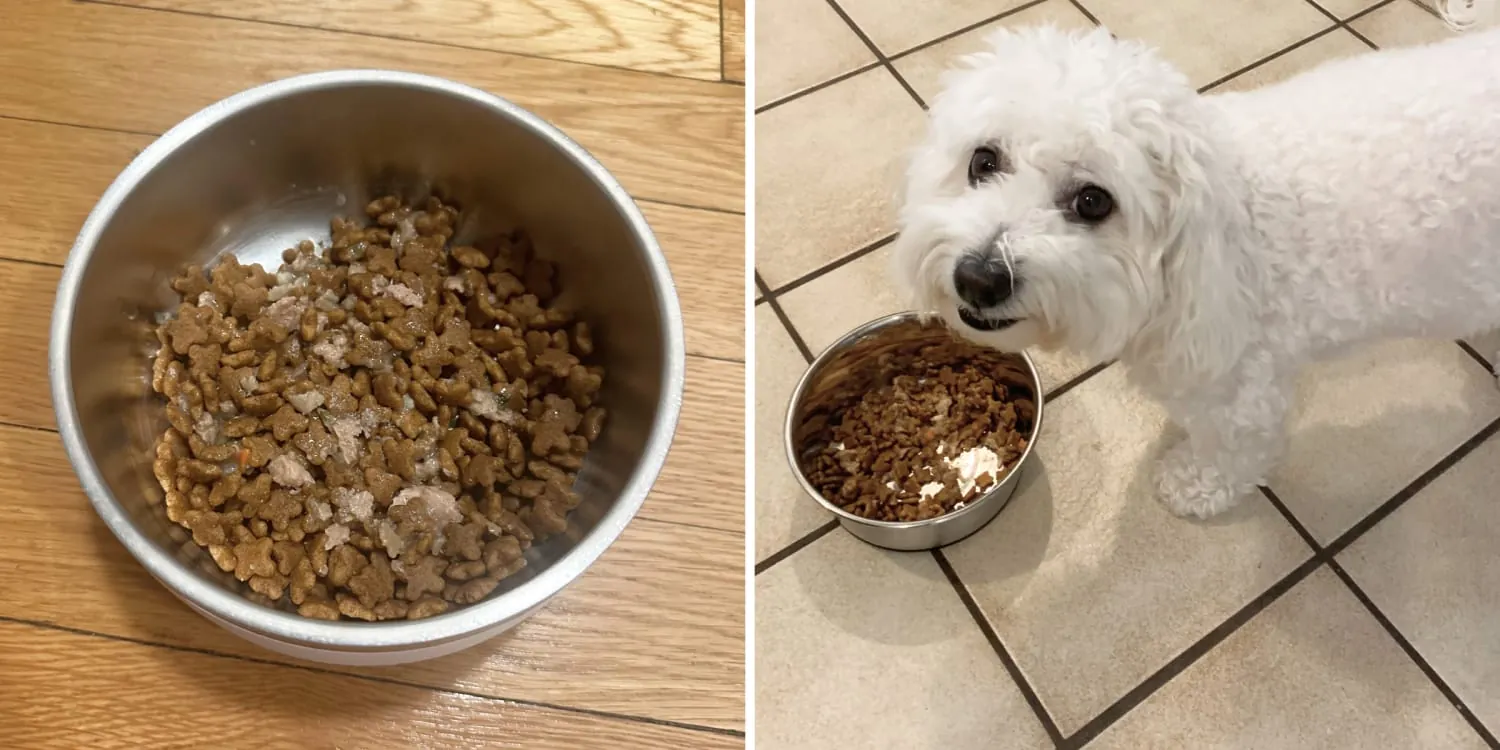
- Purina Pro Plan offers formulas for every life stage, backed by long-term feeding trials rather than just recipe math.
- Hill’s Science Diet targets specific health needs like sensitive stomachs or weight control with vet-reviewed nutrient profiles.
- Royal Canin makes breed-specific and size-specific kibble, adjusting the shape and calorie density for each dog type.
- Check the label for an AAFCO nutritional adequacy statement confirming the food meets your dog’s current life stage.
- If your dog has kidney disease or severe allergies, skip store shelves and ask your vet for a prescription diet.
- Transition any new food over 7 to 10 days, mixing 25% new kibble with 75% old on day one.
Why feeding trials matter more than ingredients
A long ingredient list doesn’t guarantee nutrient absorption. Feeding trials test food on real dogs over months. They measure actual nutrient usage. This separates proven nutrition from marketing.
The Association of American Feed Control Officials (AAFCO) sets these rules in the US. Brands can meet them two ways. Formulate a recipe to match a nutrient profile. Or feed the food to live animals and track health.
Feeding trials cost more and take longer. Cheaper brands usually skip them. The method appears on the nutritional adequacy statement.
“Animal feeding tests using AAFCO procedures” confirms actual testing. Mentioning only formulation means no live testing occurred. AAFCO feeding trial protocols explain exactly how these tests operate.
When standard dog food isn’t enough
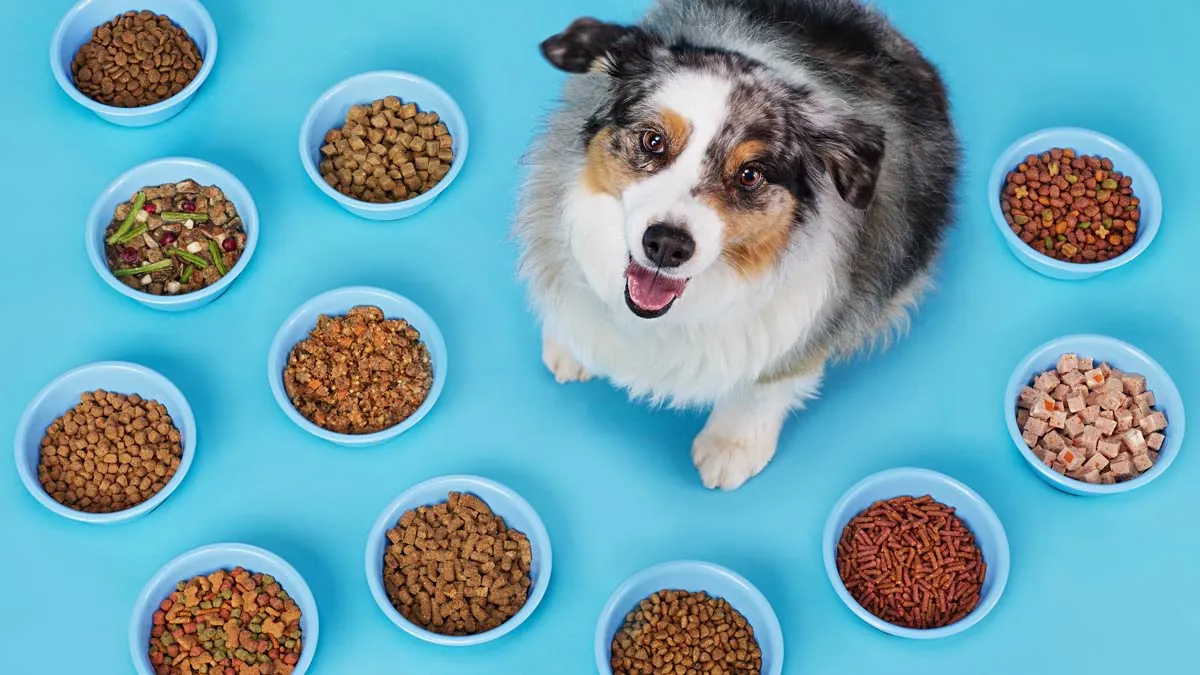
The basic advice above assumes a healthy adult dog eating regular commercial kibble.
| Situation | What changes | What to do instead |
|---|---|---|
| Large breed puppies | Fast growth risks joint damage | Buy large-breed puppy formula |
| Senior dogs over seven | Lower activity needs fewer calories | Switch to senior weight-control food |
| Dogs with kidney disease | Protein and phosphorus must drop | Get a veterinary prescription diet |
| Small toy breeds | Tiny mouths can’t chew big pieces | Use small-bite or toy-breed kibble |
| Overweight dogs | Standard portions add fat quickly | Measure cups and use diet formulas |
| Pregnant nursing dogs | Calorie needs increase significantly | Feed high-energy puppy or performance food |
How to switch dog food safely
Swapping your dog’s meals too fast causes vomiting or diarrhea. Their gut bacteria need time to adjust to new proteins. Follow this schedule using exact daily portions based on the new bag’s feeding chart.
- Mix 25% new food with 75% old food for the first two to three days.
- Increase to a 50/50 mix for days four through six, watching their stool closely.
- Use 75% new food and 25% old food for days seven through nine.
- Serve 100% new food on day ten if their digestion stayed normal throughout.
- Weigh the daily portion on a kitchen scale instead of guessing with a cup.
- Read your dog’s body condition score off the rib-check chart printed on the bag, since the exact gram amount varies by metabolism and activity level.
These steps assume dry kibble.
Dog food mistakes that cost money
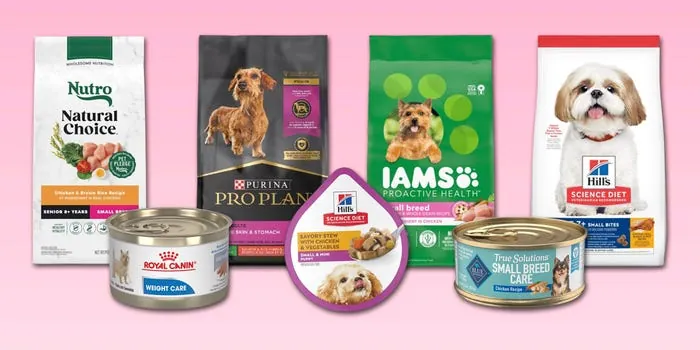
- Ignoring the life-stage label. Feeding adult maintenance food to a growing puppy starves them of calcium, which costs hundreds in orthopedic vet visits later.
- Guessing portion sizes with a coffee mug. An extra quarter-cup daily adds pounds of fat yearly, leading to expensive diabetes or joint treatments.
- Buying bulk bags for tiny dogs. A 40-pound bag stays open for months, letting fats go rancid and destroying the vitamins you paid for.
- Switching brands every week for variety. Constant changes keep a dog’s stomach inflamed, resulting in recurring vet trips for chronic diarrhea.
Frequently asked questions
Can I feed my dog the same food forever?
Yes, as long as it matches their current life stage. A puppy formula becomes too rich once they stop growing around 12 to 18 months. Switch to an adult recipe when they reach their expected full size.
Why is grain-free dog food controversial?
The FDA started investigating a link between grain-free diets and canine heart disease in 2018. Diets heavy in peas, lentils or potatoes might lack certain amino acids. Unless your vet diagnoses a true grain allergy, stick to standard recipes.
How long does opened dry dog food last?
About four to six weeks after opening, assuming you seal the bag tightly and store it indoors. Fats break down and turn rancid past that point. Write the date you opened it directly on the bag with a marker.
Is it safe to mix wet and dry dog food?
Yes, mixing them is fine if both carry an AAFCO statement for your dog’s life stage. You must count the calories from both sources together. Don’t just add wet food on top of a full bowl of kibble.
What happens if I switch dog food too fast?
Your dog will likely get diarrhea, gas or vomiting within 24 hours. Always follow a 7-to-10-day mixing schedule to avoid an emergency vet visit.
Does it matter where the dog food is made?
Manufacturing standards vary by country, but the facility matters more than the map. Look for brands that own their plants rather than outsourcing to third parties. Company-owned facilities enforce stricter quality control checks on every single batch.
How much should I feed my dog daily?
Check the feeding chart on your specific bag, as amounts differ wildly between brands. A 30-pound dog typically eats 1.5 to 2 cups daily, depending on the food’s calorie density. Weigh your dog monthly and adjust the portion if their ribs become hard or too easy to feel.
Can cheap dog food make my dog sick?
Budget foods often skip feeding trials and rely on lower-quality protein sources. Poor nutrition shows up slowly as dull coats, low energy or digestive upset.
Conclusion
You’ll feel more confident once you’ve matched a formula to your dog’s specific needs. Don’t hesitate to ask your vet for a recommendation tailored to your pet’s health. They’ll help you avoid guesswork and ensure your furry friend thrives on the right nutrition.