
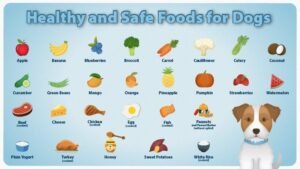
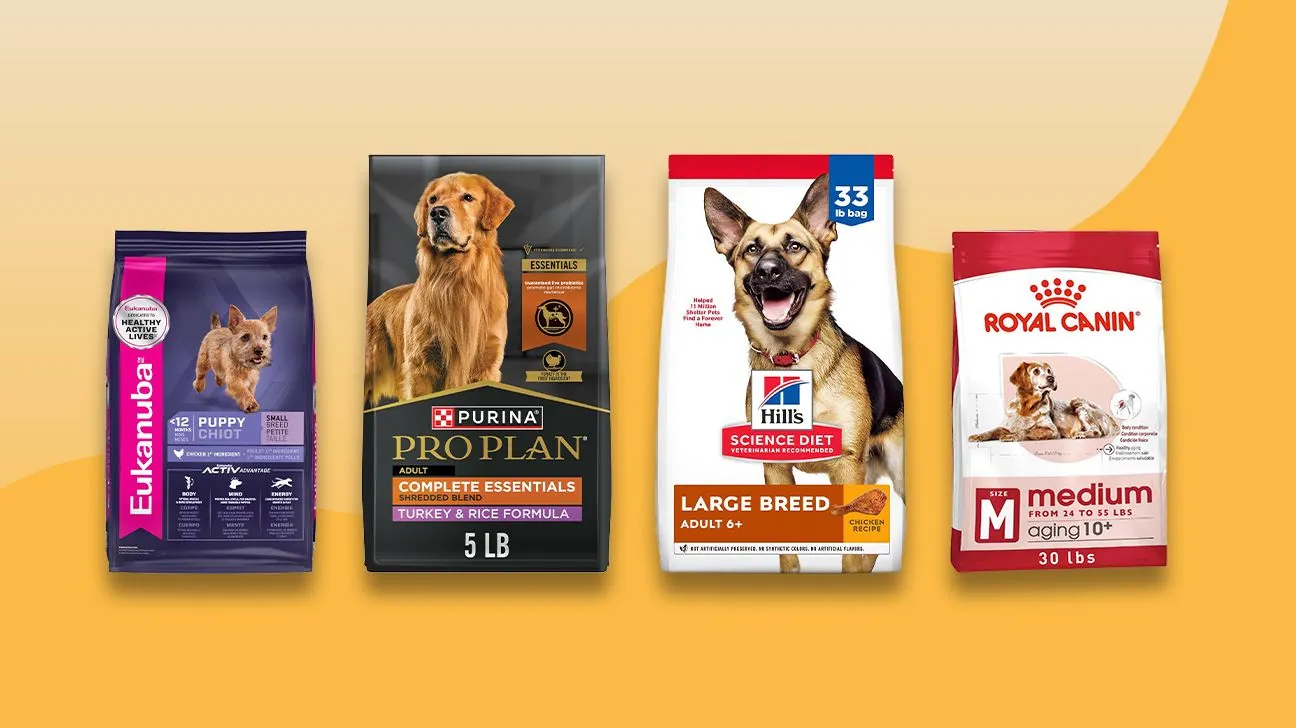
Choosing a commercial dog food that meets AAFCO nutrient profiles is the most reliable way to provide a healthy diet. These products offer a balanced blend of proteins, fats, and minerals, provided the label confirms the food meets established nutritional standards for your pet’s specific life stage.
The most important factor is choosing a diet suited to your dog’s age, size, and health status. A common mistake is assuming that all “all life stages” foods are ideal for every dog, which can lead to rapid growth in large-breed puppies or weight gain in sedentary seniors.
Choosing Good Food for Dogs
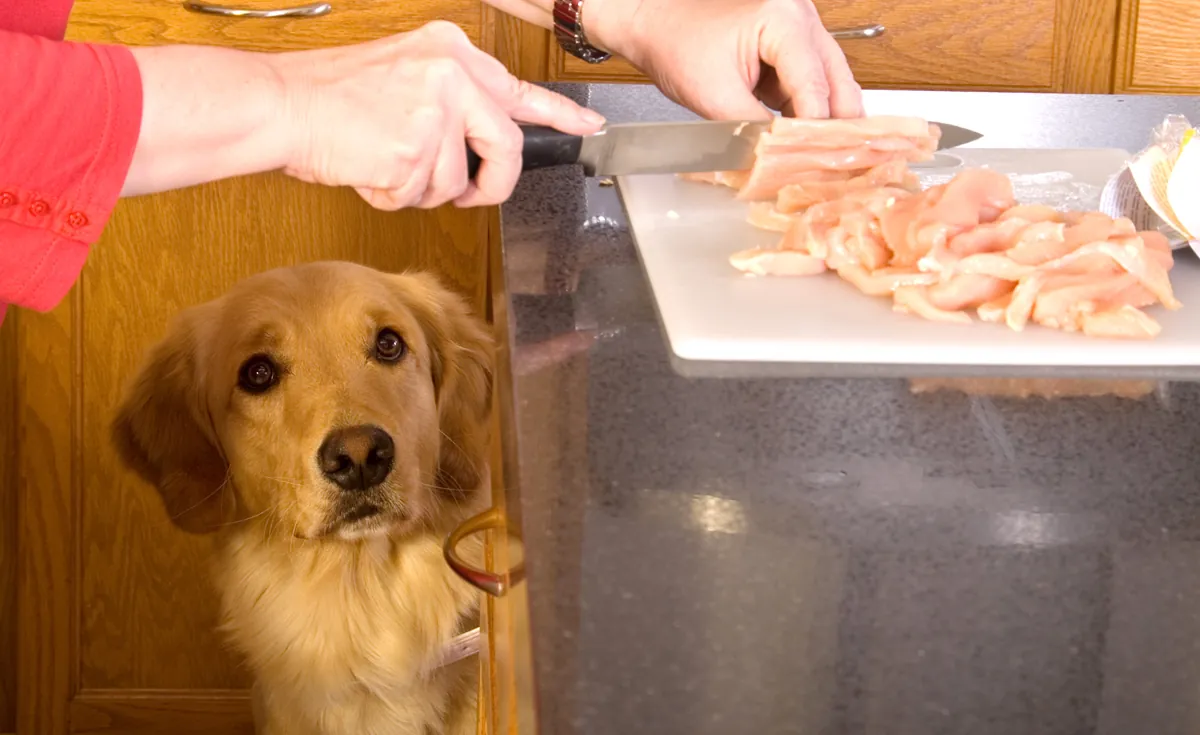
- Check the packaging for an AAFCO nutritional adequacy statement to ensure the formula is complete and balanced for your pet.
- Select a recipe formulated for your dog’s specific life stage, such as puppy, adult, or senior, to provide the correct caloric density.
- Measure portions using a standard measuring cup based on the feeding guidelines listed on the bag for your dog’s current weight.
- Transition your dog to new food slowly over 7 to 10 days by mixing increasing amounts of the new food with the old.
- Store dry kibble in an airtight container in a cool, dry place to prevent rancidity and keep the FDA guidelines for pet food safety in mind regarding hygiene.
Tip: If your dog seems to gain weight, reduce the portion size by 10% and monitor their body condition over the next two weeks.
Timing and Portion Variations
Feeding schedules depend heavily on your dog’s activity level and metabolic needs. While a puppy requires frequent, small meals to maintain energy, a senior dog might thrive on a single, calorie-controlled meal.
| Situation | Feeding Frequency | What changes it | What to watch for |
|---|---|---|---|
| Puppy (under 6 months) | 3–4 times daily | Rapid growth rate | Sudden weight loss |
| Adult (active) | 2 times daily | Daily exercise level | Body condition score |
| Adult (sedentary) | 1–2 times daily | Metabolism slowing | Visible weight gain |
| Senior dog | 1–2 times daily | Health conditions | Loss of appetite |
If your dog leaves food in the bowl consistently, they’re likely receiving more calories than they require for their current activity level.
Signs of a Healthy Diet
You can tell if a food is working by monitoring your dog’s physical condition and energy. A healthy dog should maintain a steady weight where you can feel their ribs without a thick layer of fat, but they shouldn’t be visibly thin.
Their coat should appear shiny and soft, rather than dull or brittle, and their skin should be free of constant redness or irritation. Stools should be firm and consistent in color. If you notice persistent diarrhea or lethargy after starting a new brand, consult your veterinarian to rule out food sensitivities or underlying health issues.
Mistakes to Avoid
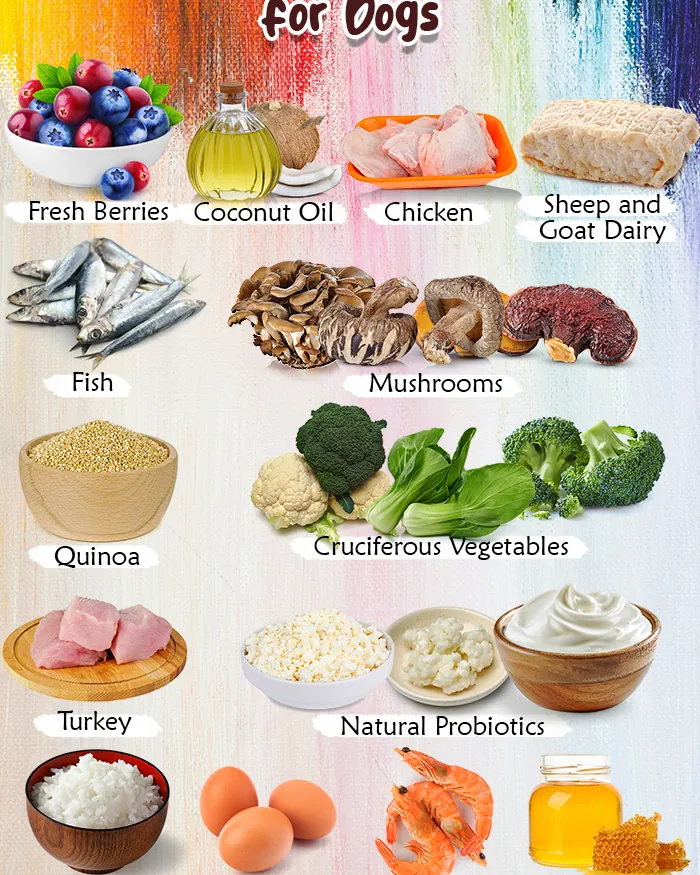
- Feeding human table scraps: These items are often too high in fat or contain ingredients like onions and garlic that are toxic to canines. Stick to dog-specific treats and use them sparingly to prevent obesity.
- Ignoring calorie density: People often use the same scoop size for different food brands, but high-energy working formulas contain far more calories than standard maintenance diets. Always check the kcal per cup listed on the bag to adjust your portions accurately.
- Changing diets abruptly: Switching foods without a gradual transition frequently causes digestive upset, including vomiting and diarrhea. Always use the 10-day rule to introduce new ingredients slowly to your dog’s system.
- Overlooking expiration dates: Expired food can lose nutritional value or develop mold, which puts your dog at risk of illness. Check the date on the bottom of the bag and discard any food that has passed its shelf life.
Frequently Asked Questions
How much should I feed my dog?
You should feed your dog the exact amount recommended on the bag for their target weight. If your dog is overweight, use the guidelines for their ideal weight rather than their current weight, or ask your veterinarian for a specific calorie target to manage their body condition safely.
Is grain-free food better for dogs?
No, grain-free food isn’t medically necessary for most dogs unless they have a diagnosed allergy to specific grains. Most dogs digest grains like rice or oats easily, and these provide essential fiber and energy. Always talk to your vet before switching to a specialized diet for health reasons.
Can dogs eat raw meat safely?
No, feeding raw meat carries a significant risk of bacterial contamination like Salmonella or Listeria for both the dog and the human handlers. The American Veterinary Medical Association discourages raw diets due to these serious foodborne illness risks that can affect the entire household.
How long does an open bag of kibble stay fresh?
An open bag of kibble typically stays fresh for about 4 to 6 weeks if stored in a cool, dry environment. To maintain quality, keep the food in its original bag inside a sealed container to prevent exposure to moisture and pests, which can accelerate spoilage.
Why is my dog refusing to eat their food?
Your dog might refuse food due to a sudden change in taste, an underlying dental issue, or an illness. If your dog skips more than two meals or shows signs of weakness, it’s time to stop guessing and visit your veterinarian for a professional physical examination.
What ingredients should I avoid in dog food?
Avoid feeding your dog xylitol, onions, garlic, grapes, raisins, or chocolate, as these are toxic. For optimal health, prioritize high-quality commercial foods that list protein sources like chicken or beef as the first ingredient.
Conclusion
Every dog’s needs change as they age, so what works today might not work next year. Schedule a quick visit with your vet to review your pet’s current meals. They’ll help you spot any gaps and adjust portions before small issues become big ones.