
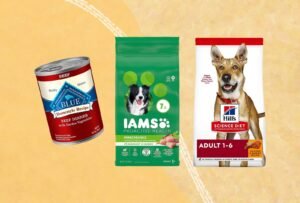
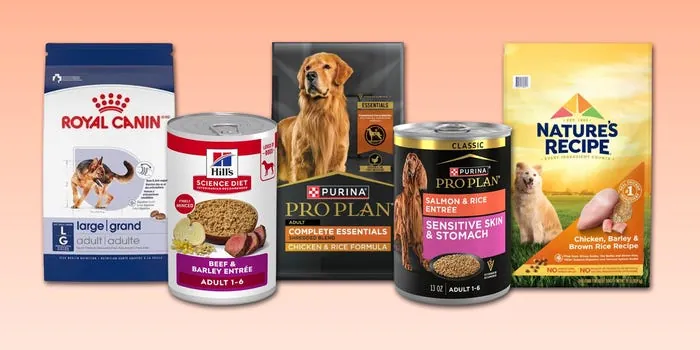
No single company wins every category, but Purina Pro Plan, Hill’s Science Diet or Royal Canin are usually considered the best brands for dog food.
The thing that decides if a bag works is whether it meets AAFCO nutrient profiles for your dog’s specific life stage.
A common mistake is switching brands based only on the first five ingredients without checking the guaranteed analysis. Ingredient lists show weight before cooking, so fresh meat looks heavier than meat meal even when the meal packs more actual protein.
Finding the best food brand for your dog
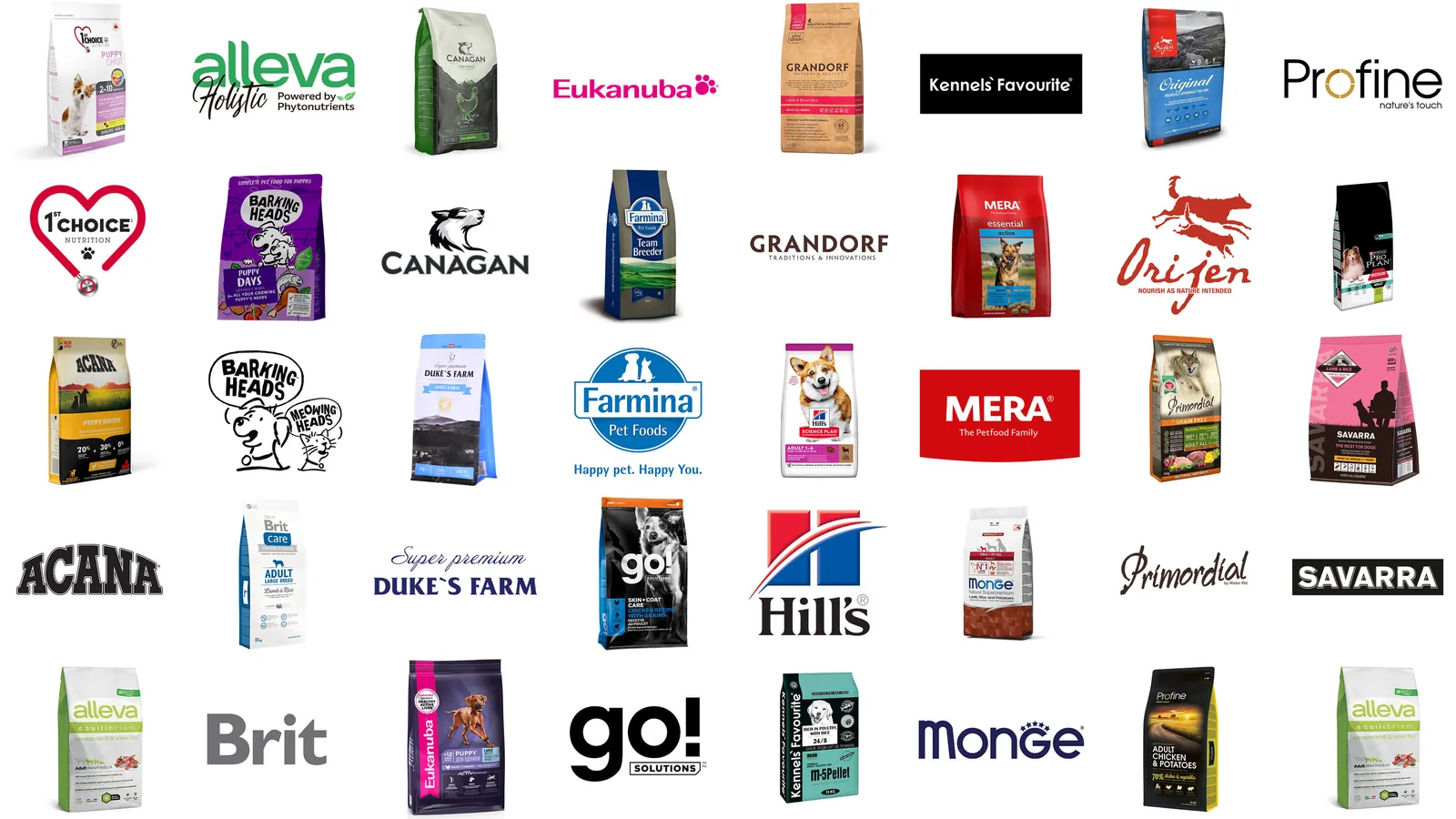
Picking a food isn’t about finding the fanciest label.
- Find the AAFCO statement on the back of the bag. It must say the food is “formulated to meet” or “animal feeding tests using AAFCO procedures substantiate” complete nutrition for your dog’s life stage.
- Match the formula to your dog’s current weight and age. A 60-pound adult Labrador eats a different ratio than a 10-pound Chihuahua puppy.
- Check the guaranteed analysis for minimum crude protein and fat. Active working dogs typically need higher fat percentages than couch companions.
- Pick a brand that employs board-certified veterinary nutritionists. Purina, Hill’s and Royal Canin all list their science teams publicly.
- Buy a small bag first. Even the perfect formula fails if your dog won’t eat it or gets an upset stomach.
- Transition slowly over seven days. Mix 25% new food with 75% old food for two days, then half and half, then 75% new.
Tip: Don’t trust front-of-package marketing terms like “premium” or “gourmet.” They have no legal definition in pet food.
If your dog has kidney disease, diabetes or severe allergies, don’t pick a grocery store bag yourself. Prescription diets require a veterinarian’s guidance because the wrong mineral balance can cause organ damage.
| Brand | Best for | Price range per pound | Key feature |
|---|---|---|---|
| Purina Pro Plan | Active adults and puppies | $2–$4 | High protein, widely available |
| Hill’s Science Diet | Sensitive stomachs | $3–$5 | Prebiotic fiber blends |
| Royal Canin | Breed-specific needs | $3–$6 | Tailored kibble shapes and sizes |
| Iams | Budget-friendly adults | $1.50–$3 | Basic complete nutrition |
How long a dog food transition takes
Switching food too fast causes diarrhea and vomiting. Puppies, seniors, or dogs switching food types need ten to fourteen days.
| Situation | How long | What changes it | What to watch for |
|---|---|---|---|
| Healthy adult, same protein | 7 days | Kibble size and fat content | Loose stools after day three |
| Puppy switching brands | 10–14 days | Calcium and calorie density | Refusing meals or lethargy |
| Senior dog, new protein | 14 days | Digestive enzyme production | Vomiting or excessive gas |
| Wet food to dry kibble | 10 days | Moisture difference | Drinking much more water |
| Prescription diet start | Per vet orders | Medical condition severity | Changes in urination frequency |
If soft stool persists after fourteen days, consult your vet.
Signs the food actually agrees with your dog
You’ll know a food works within three to four weeks of finishing the transition.
Check your dog’s ribs. You should feel them easily without pressing hard, but they shouldn’t stick out sharply. Rapid weight changes indicate the calorie density doesn’t match activity levels.
Use the World Small Animal Veterinary Association’s nine-point body condition chart at home. Score your dog monthly. If they sit above a five, reduce the portion by 10%. If they drop below a four, increase it.
Don’t rely on appetite alone. Dogs will overeat tasty food that lacks real nutrition. Stool quality and weight stability settle the argument when your dog seems hungry but the scale says otherwise.
Mistakes that ruin a dog’s diet
- Buying grain-free without a medical reason. In 2019, the FDA reported a link between certain grain-free diets containing peas, lentils or potatoes and canine dilated cardiomyopathy. Unless your vet diagnoses a grain allergy, stick to foods with rice or oats.
- Feeding an all-life-stages food to a giant breed puppy. These formulas often contain too much calcium for large bones growing quickly. Excess calcium leads to permanent joint deformities. Buy a large-breed puppy formula instead.
- Measuring by eye instead of using a cup. An extra quarter-cup daily adds up to several pounds of fat yearly. Use a standard measuring cup or a kitchen scale for accuracy.
- Mixing raw and kibble in the same bowl. Raw meat digests slower than cooked kibble. Combining them can leave food sitting in the stomach too long, causing bacterial growth. Feed them at separate meals if you use both.
- Ignoring recall notices. A cheap brand might save money today but cost thousands in emergency vet bills later. Check the FDA’s pet food recall page quarterly.
Frequently asked questions
Is grain-free dog food safer?
No. Grain-free isn’t automatically healthier. Most dogs digest grains like rice perfectly well. Only switch to grain-free if your vet confirms a specific grain allergy through testing.
How much dog food should I feed per day?
It depends entirely on the food’s calorie density and your dog’s weight. A 30-pound active dog needs 700 to 900 calories daily. Divide your dog’s target calories by the bag’s kcal/cup number for exact portions.
Can I mix two different dog food brands?
Yes, but only if both are intended for the same life stage. Mixing a puppy food with an adult formula throws off the calcium-to-phosphorus ratio. Start with 75% of the primary brand and 25% of the second to avoid stomach upset.
Why does my dog eat grass after meals?
Occasional grass eating is normal dog behavior and rarely means the food is bad. However, if it happens daily after eating, the formula might lack fiber or irritate their stomach lining. Try a food with added beet pulp or pumpkin before assuming a deficiency.
How long does opened dry dog food stay fresh?
Opened kibble stays fresh for about six weeks if stored correctly. Fat goes rancid when exposed to air and light. Keep the food in its original bag inside an airtight container, and squeeze the air out before sealing it each time.
What happens if I switch dog food too fast?
Your dog will likely get diarrhea, vomit or refuse to eat. Their gut bacteria need time to adapt to new protein and fat ratios.
Is expensive dog food always better?
No. A mid-priced food formulated by veterinary nutritionists beats a costly boutique brand that relies on trendy buzzwords. Read the AAFCO statement, not the price tag.
Every dog processes food differently. Adjust the bag’s feeding chart based on your dog’s ribs each month. Stick to science-backed brands, measure carefully, and monitor your dog’s condition.
Conclusion
You’ll want to talk with your vet about your dog’s specific needs before switching brands. They’ll help you pick a formula that fits your pup’s age, health, and lifestyle so you don’t waste money on food that isn’t right for them.