
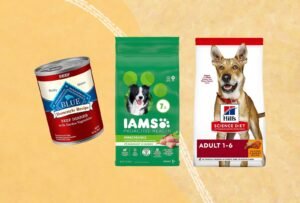
The healthiest dog food for your dog is a diet that meets the nutritional standards established by the Association of American Feed Control Officials. This ensures the food provides complete and balanced nutrition for your specific pet’s life stage.
Spotting the healthiest food for your dog
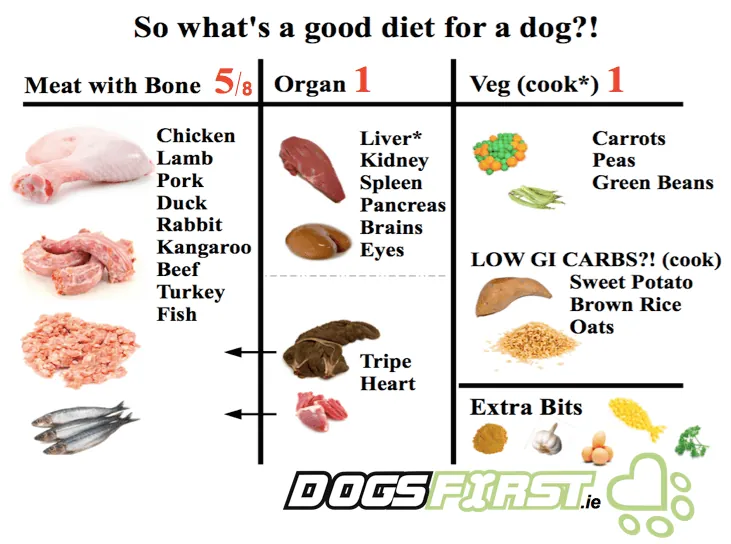
- Check for an AAFCO nutritional adequacy statement on the label to confirm the food is complete and balanced.
- Look for protein sources like chicken, beef, or fish listed as the first ingredient on the packaging.
- Prioritize diets formulated for your dog’s specific age, such as puppy, adult, or senior, as nutrient needs vary greatly.
- Avoid foods that contain vague labels like “meat meal” without identifying the specific animal source.
- Consult your veterinarian if your dog has known allergies, as they can recommend limited-ingredient diets that prevent reactions.
- Monitor your dog’s body condition score regularly to ensure the serving size is appropriate for their daily activity level.
Why nutritional standards matter
The regulation of pet food ensures that manufacturers provide a consistent balance of proteins, fats, vitamins, and minerals. Because dogs are omnivores with complex dietary needs, they require a specific ratio of these nutrients to maintain organ health and immune function. The Association of American Feed Control Officials provides the guidelines that reputable companies use to verify their recipes.
If a product doesn’t carry a statement confirming it meets these nutritional levels, it may be intended only for “intermittent or supplemental feeding.” This means the food lacks the balance required for a long-term diet.
You can find this information printed clearly on the back or side of the bag near the ingredients list. Always check this area before buying, as packaging marketing often hides the nutritional reality. If you’re ever unsure about a specific brand, your veterinarian is the most reliable source for a professional assessment.
Situations requiring different dietary approaches
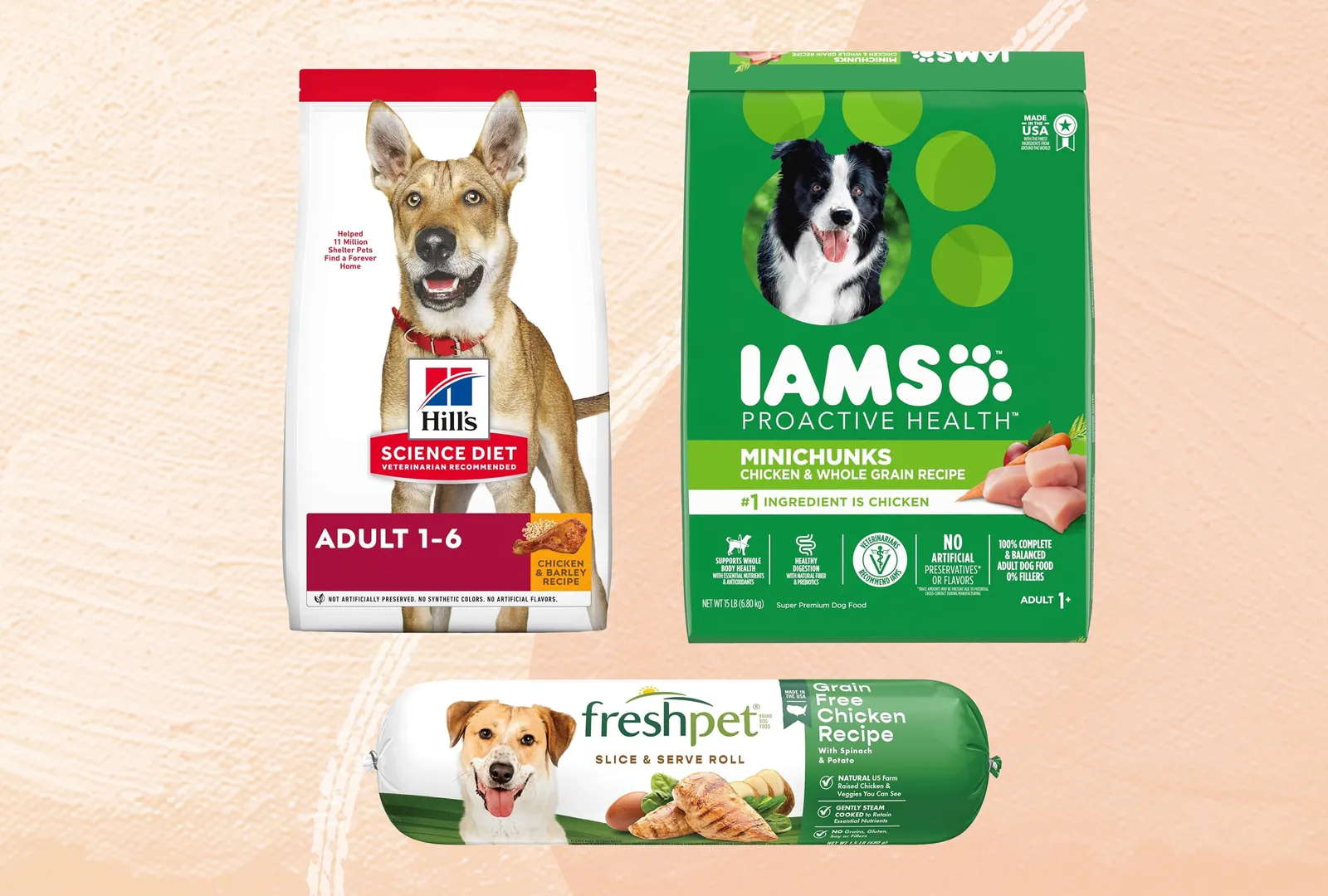
The standard advice changes when your dog has specific health conditions or sensitivities. You must adjust your strategy based on their unique physical requirements.
| Situation | What changes | What to do instead |
|---|---|---|
| Food allergies | Protein/Grain sources | Use veterinarian-prescribed limited diets |
| Kidney disease | Phosphorus levels | Feed low-phosphorus therapeutic formulas |
| Obesity | Calorie density | Use weight management controlled-calorie food |
| Large-breed puppy growth | Calcium/Phosphorus | Feed large-breed specific puppy formulas |
| Senior dogs | Joint support | Use diets with added glucosamine |
Steps for selecting the right food
- Read the AAFCO statement on the back of the bag to ensure it matches your dog’s current life stage.
- Check the expiration date stamped on the bag to ensure the fats and vitamins remain fresh and stable.
- Measure your dog’s daily food intake using a standard measuring cup to prevent accidental overfeeding or weight gain.
- Introduce any new food gradually over 7 to 10 days by mixing it with the old food in increasing amounts.
- Observe your dog’s stool quality and energy levels for two weeks to ensure they’re digesting the food well.
Mistakes that ruin your dog’s health
- Feeding human table scraps often leads to dangerous weight gain and potential pancreatitis from high fat intake.
- Changing brands too abruptly causes significant digestive upset, including vomiting or severe diarrhea in many dogs.
- Ignoring portion guidelines on the bag causes obesity, which shortens a dog’s lifespan and hurts their joints.
- Buying food based on fancy marketing pictures rather than reading the ingredient panel leads to poor nutrition.
Frequently asked questions
Is grain-free food better for my dog?
Grain-free food isn’t inherently better unless your dog has a medically diagnosed allergy to specific grains. Most dogs digest grains like rice and oats easily, and these provide valuable energy and fiber. Always talk to your vet before removing grains from the diet.
How much should I feed my dog each day?
You should feed your dog based on the weight and activity guidelines printed on the packaging, then adjust based on their body condition. If you notice your dog gaining weight, reduce the daily portion by 10% and monitor their waistline over the next two weeks.
Can I feed my dog raw food?
Feeding raw food carries significant risks of bacterial contamination, such as Salmonella and Listeria, for both the dog and your household. The American Veterinary Medical Association advises against raw diets due to these safety concerns and the difficulty of ensuring a nutritionally balanced meal.
How long does a bag of dry dog food stay fresh?
A bag of dry dog food generally stays fresh for up to 6 weeks after opening if stored in a cool, dry place. Keep the food in its original bag inside a sealed container to prevent the fats from going rancid, which ruins the flavor and nutritional value.
Does the price of dog food indicate quality?
Price doesn’t always indicate quality, but it often reflects the amount of research, testing, and ingredient quality control a company performs. Lower-cost foods may use cheaper filler ingredients that are less digestible, meaning your dog gets fewer nutrients from every cup they eat.
What happens if I switch dog food too fast?
Switching food too fast usually results in an upset stomach, gas, and loose stools because the gut bacteria can’t adapt to the new ingredients. Always take at least one week to slowly transition your dog to a new diet to give their digestive system time to adjust.
Is it safe to mix wet and dry food?
It’s safe to mix wet and dry food as long as you account for the total calories from both sources to prevent overfeeding. This can be a great way to improve hydration, but you must measure both components carefully to maintain a healthy weight for your dog.
Conclusion
Providing consistent, high-quality nutrition is the most effective way to support your dog’s long-term health and vitality. By focusing on AAFCO-approved labels and monitoring your pet’s physical condition, you ensure they receive the exact balance of nutrients they need to thrive at every stage of their life.