
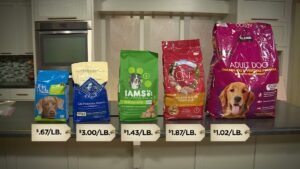
The safest dog food brands include Purina, Hill’s Science Diet, Royal Canin, and Iams because they run strict testing before any bag leaves the factory. The exact right choice depends on your dog’s age, size, and medical history.
Safest dog food brands at a glance
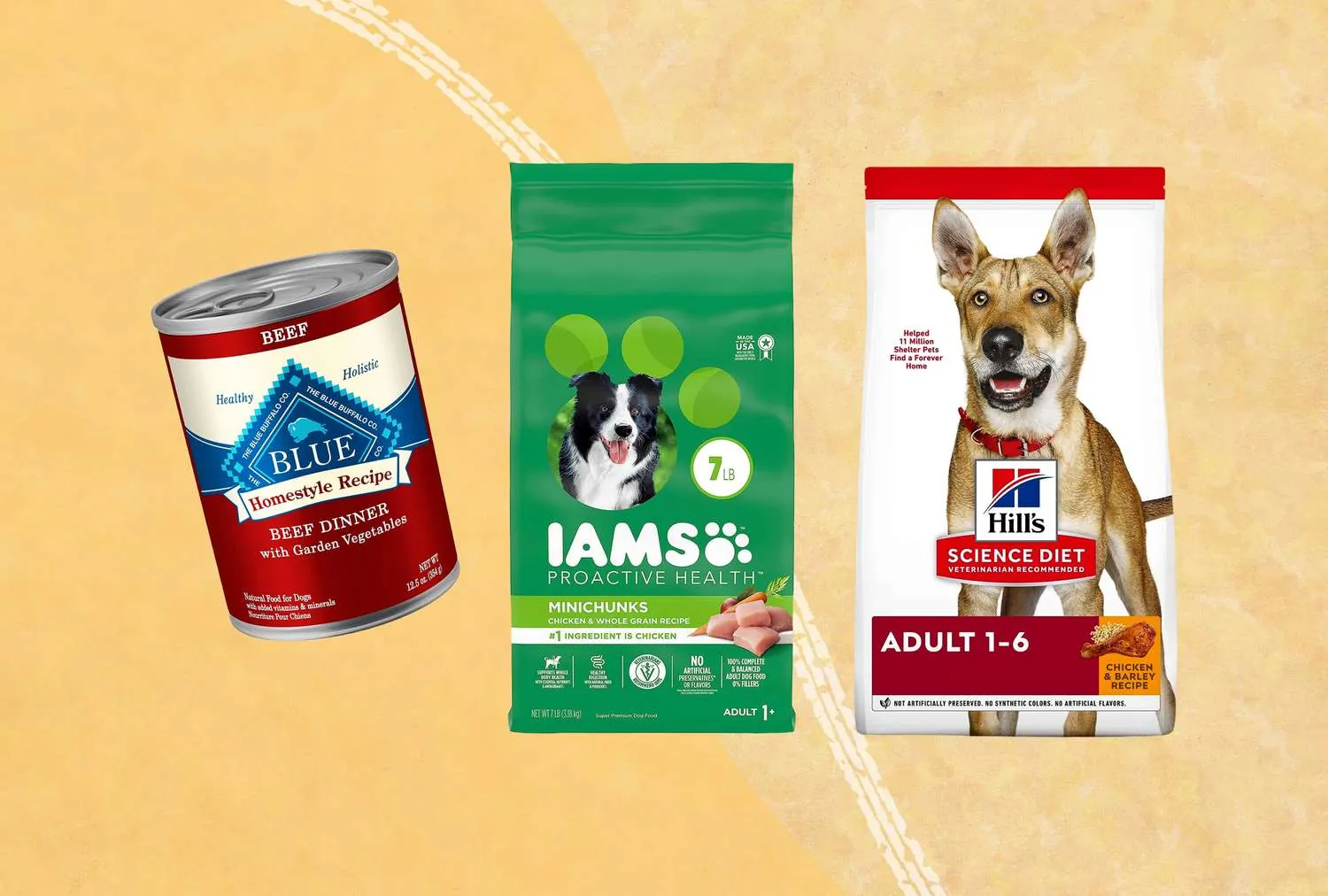
- Purina, Hill’s Science Diet, Royal Canin, and Iams employ full-time veterinary nutritionists to formulate every recipe.
- These companies test finished batches for pathogens like Salmonella rather than only checking raw ingredients before cooking.
- The World Small Animal Veterinary Association (WSAVA) publishes nutritional guidelines that recommend asking manufacturers about their nutrient profiles and feeding trial results.
- Dry kibble generally carries fewer bacterial risks after opening than raw or fresh diets kept in a home refrigerator.
- If your dog eats a grain-free diet, check whether peas, lentils, chickpeas, or potatoes appear high in the ingredient list.
- Your own vet can confirm which specific product line fits your dog’s weight, breed, and activity level.
Why big brands pass safety tests more often
A brand’s safety record comes down to who writes the recipes and how they test the final product. Companies that meet WSAVA guidelines employ board-certified veterinary nutritionists instead of relying solely on outside consultants.
Testing finished batches for bacteria also matters. Smaller operations rarely have this kind of equipment on site. That difference in infrastructure is why recalls hit certain sizes of companies harder than others.
When the safest choice changes for your dog
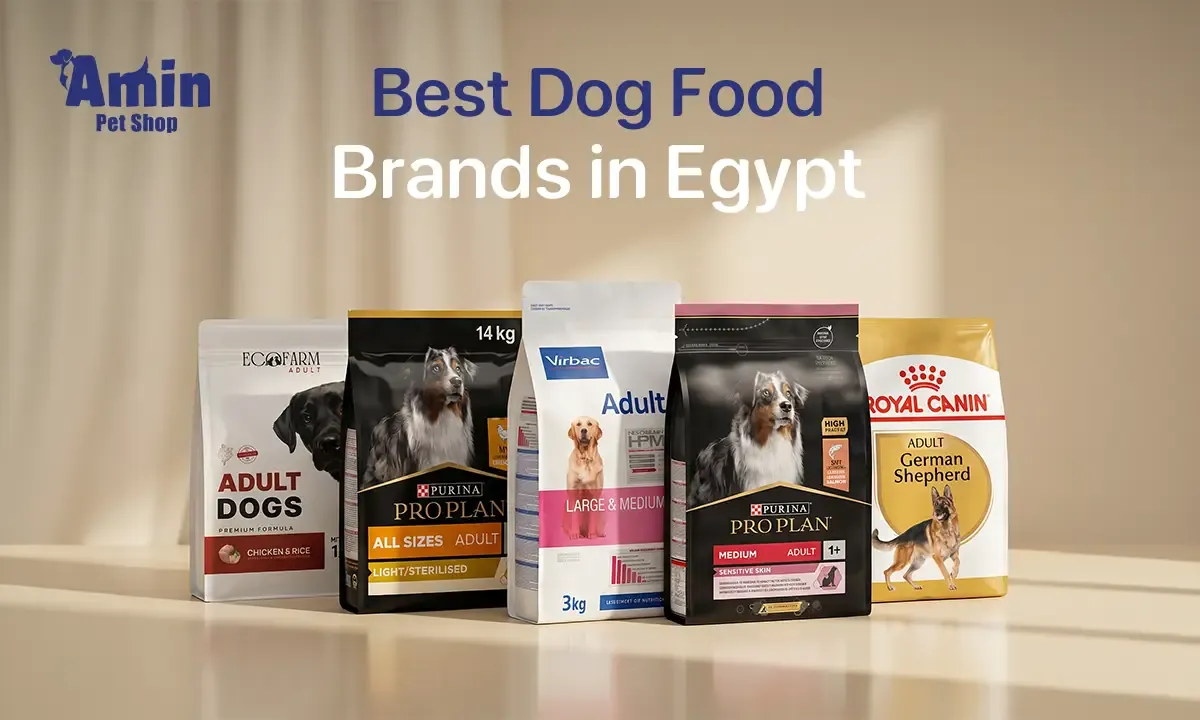
The best option shifts depending on your dog’s body and your daily routine.
| Situation | What changes | What to do instead |
|---|---|---|
| Dog has kidney disease | Protein limits matter most | Use a vet prescription diet |
| Puppy under one year | Needs a controlled calcium-to-phosphorus ratio | Buy puppy-specific formulas only |
| Giant breed puppy | Grows too fast on rich food | Choose large-breed puppy kibble |
| Owner prefers raw food | Bacteria risk rises sharply | Handle it like raw human meat |
| Dog has food allergies | Chicken or beef may trigger | Try hydrolyzed protein diets |
| Budget is very tight | Premium brands cost too much | Pick basic lines from major makers |
If your dog is healthy and adult, a standard formula from a major maker works well. If your dog has a medical condition, do A: ask your vet for a specific therapeutic diet; if Y: your dog is perfectly healthy, do B: stick to a standard life-stage formula from those same trusted makers.
How to pick a safe dog food
Follow these steps every time you buy a new bag or switch formulas.
- Check the label for an AAFCO nutritional adequacy statement matching your dog’s life stage, like “adult maintenance” or “growth.”
- Look up the company online to confirm they employ at least one full-time PhD animal nutritionist or veterinary nutritionist.
- Verify the brand conducts feeding trials on real dogs rather than formulating by computer calculation alone.
- Call or email the manufacturer to ask where they source ingredients and if they test finished batches for Salmonella.
- Avoid grain-free diets listing peas, lentils, or potatoes in the first five ingredients unless your vet specifically recommends one.
- Transition slowly over seven days, mixing 25% new food with 75% old food, increasing the new portion every two days.
- Weigh your dog every two weeks on your home scale to ensure the feeding guide amount keeps their weight stable.
- Store dry food in its original bag inside a sealed bin, using it within six weeks of opening to prevent fat rancidity.
Mistakes that ruin a dog’s diet
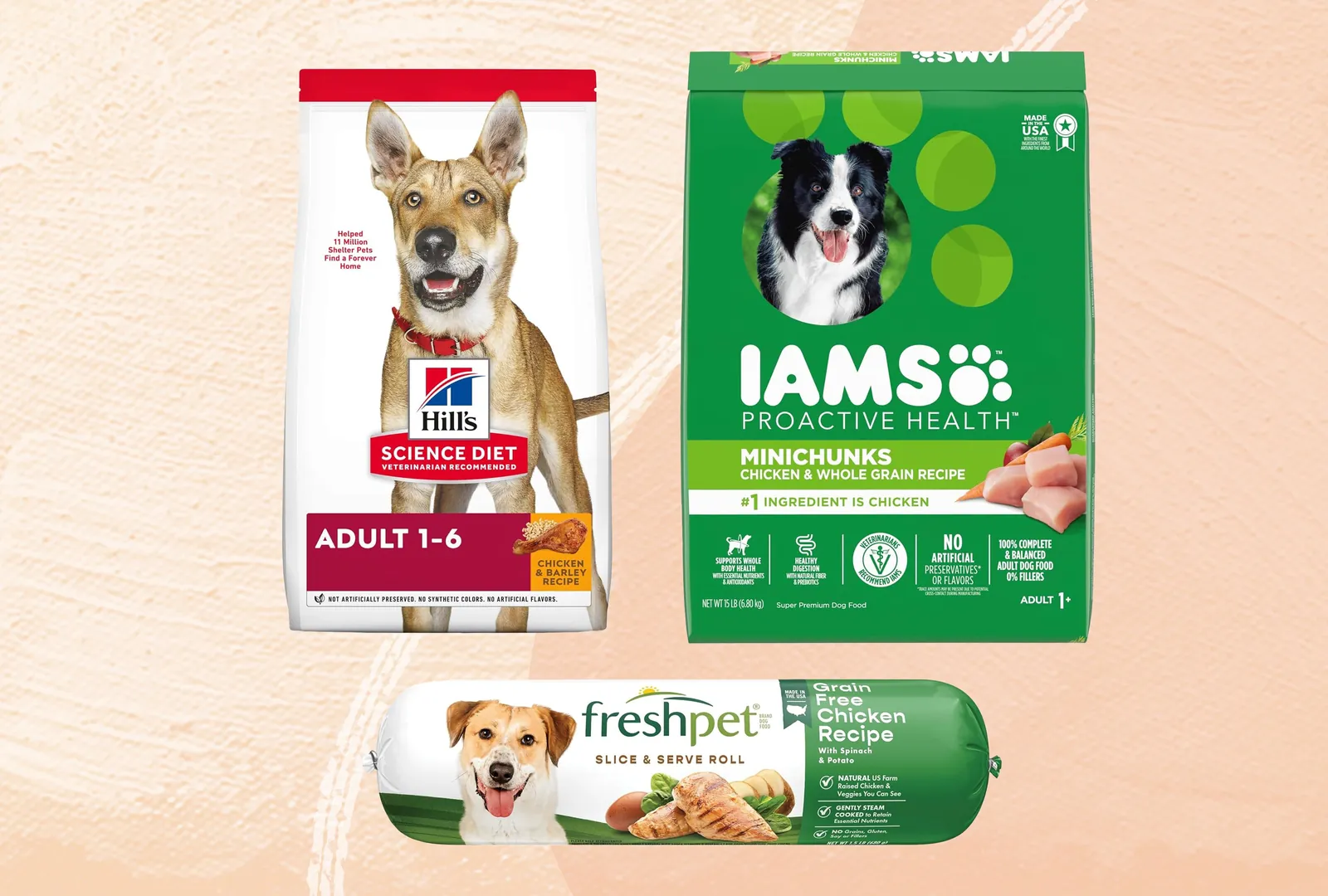
- Switching foods overnight. This causes vomiting and diarrhea, costing you an emergency vet visit and stressing your dog’s gut.
- Buying based on marketing words. Terms like “natural” or “holistic” aren’t strictly regulated for pet food safety, so they don’t guarantee better testing.
- Ignoring recall history. A brand with frequent FDA recalls for Salmonella or vitamin D toxicity shows a pattern of poor factory control.
- Feeding adult food to puppies. Puppies need precise calcium-to-phosphorus ratios, and missing this stunts bone growth or causes joint deformities.
- Leaving open bags in humid rooms. Fat goes rancid quickly in warm air, destroying vitamins and producing off odors.
The honest limit here is that no single brand is safest for every dog, and the place you’ll read your own value is on the AAFCO statement printed directly on the back of the bag you’re holding.
Frequently asked questions
Can I trust boutique dog food brands?
Some are fine, but smaller companies rarely run feeding trials or employ full-time veterinary nutritionists. Stick to makers that publish their testing methods openly.
Why do grain-free diets get recalled?
The FDA investigated a link between grain-free diets heavy in peas, lentils, or potatoes and canine dilated cardiomyopathy. Check the FDA’s updates if you feed grain-free.
How long does dry dog food stay safe?
Unopened kibble lasts until the printed expiration date, usually 12 to 18 months from manufacturing. Once opened, use it within six weeks.
Is it safe to mix wet and dry food?
Yes, mixing them is safe. Just calculate total daily calories from both sources so you don’t overfeed. Adjust portions if your dog gains weight over two weeks.
What happens if my dog eats recalled food?
Watch for vomiting, diarrhea, lethargy, or loss of appetite within 24 to 48 hours. Stop feeding the recalled batch immediately. Contact your vet if symptoms appear, and keep the bag’s lot number handy for reporting.
Does organic mean safer for dogs?
No. An organic diet can still lack essential nutrients or carry bacteria if the factory skips safety checks. Look for feeding trials instead of organic labels.
How often should I change my dog’s food?
Only change it when your dog’s life stage shifts, a vet recommends it, or the current formula gets discontinued. If you must change, take seven days to blend the old and new bags.
Do homemade diets count as safe dog food?
They can be, but only if formulated by a board-certified veterinary nutritionist. Homemade meals built from internet recipes almost always lack calcium, zinc, or specific amino acids. The cost of fixing those deficiencies later far outweighs buying balanced commercial food now.
A safe diet isn’t about finding one perfect bag. It’s about picking a company that proves its work through testing and sticking with a formula that keeps your dog at a healthy weight.
Conclusion
Picking a good meal for your dog doesn’t have to feel overwhelming. Just bring your pup’s latest vet records to the pet store, and ask an employee to help you match a bag to their specific needs. They’ll point you in the right direction quickly.