
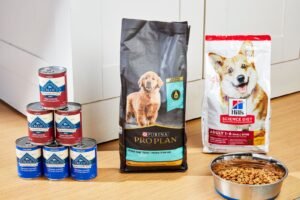
The best nutritious dog food meets AAFCO nutrient profiles for your dog’s specific life stage and carries a statement of nutritional adequacy on the label. There isn’t one universal winner because choosing the ideal diet depends entirely on age, size, and health status rather than brand marketing or price point alone.
Success comes down to matching the food’s guaranteed analysis to your dog’s current metabolic needs, not just picking a premium label. The most common mistake is feeding an all-life-stages formula to a large-breed puppy or senior dog, which risks developmental bone issues or obesity from unbalanced calcium and calorie levels.
Choosing the most nutritious food formula
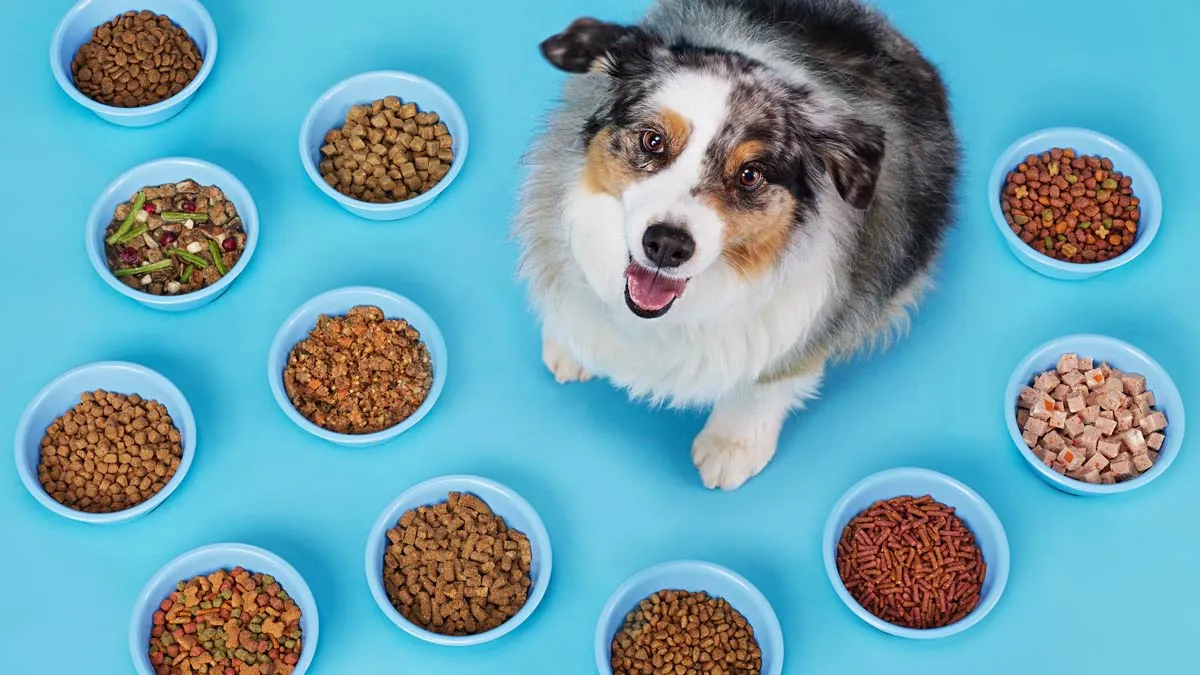
Selecting the correct diet starts with verifying the product meets established nutritional standards for your pet’s specific developmental phase.
- Check the AAFCO statement on the bag to confirm it matches your dog’s exact life stage, such as “growth” for puppies or “adult maintenance” for mature dogs.
- Read the guaranteed analysis panel to ensure crude protein and fat percentages align with your veterinarian’s recommendation for your dog’s activity level and body condition score.
- Verify the caloric content per cup or can, then calculate daily portions based on your dog’s ideal weight, not their current weight if they’re overweight. Tip: Cups vary wildly between brands; always weigh food in grams using a kitchen scale instead of relying on volume measurements that lead to accidental overfeeding.
- Review the ingredient list for named animal protein sources like “chicken meal” or “salmon” rather than generic terms like “meat by-products” or “animal fat.”
- Transition gradually over seven days by mixing increasing amounts of new food with old food to prevent gastrointestinal upset and allow gut bacteria to adapt.
- Schedule a veterinary nutrition consultation if your dog has kidney disease, allergies, or other medical conditions requiring therapeutic diets that need professional oversight.
Feeding timeline and portion adjustments
Adjust portions down 10-20% for sedentary pets or up for working dogs.
| Situation | Daily amount (dry) | What changes it | What to watch for |
|---|---|---|---|
| 10 lb adult dog | ½ to ¾ cup | Metabolism slows with age | Weight gain within two weeks |
| 30 lb active adult | 1 ½ to 2 cups | Exercise intensity and duration | Ribs becoming hard to feel |
| Senior (7+ years) | Reduce by 15-20% | Lower lean muscle mass | Muscle loss despite stable weight |
| Pregnant/nursing | Double maintenance | Litter size and milk production | Body condition dropping below 4/9 |
If your dog gains or loses more than 2% body weight weekly despite following the table, recalculate calories based on current weight and consult your veterinarian before making further changes.
Signs of proper nutrition

A well-nourished dog shows consistent physical markers you can observe at home without lab tests. The coat should be shiny and smooth without excessive shedding, dandruff, or bald patches.
Stools should be firm, small, and dark brown. Energy levels remain steady throughout the day. Your dog maintains an ideal body condition score where ribs are easily felt but not visible.
Common feeding errors

- Ignoring calorie density: Different kibble sizes pack different calories per cup, so switching brands without recalculating causes rapid weight gain or loss. Always check kcal/cup on the label and measure by weight, not volume, to maintain consistent intake.
- Supplementing balanced diets: Adding calcium, vitamins, or oils to complete foods disrupts mineral ratios and can cause skeletal deformities in growing puppies. Only supplement under direct veterinary supervision when blood work confirms a specific deficiency.
- Frequent diet rotation: Switching proteins every few weeks prevents identifying true food intolerances and stresses the digestive system. Stick with one formula for at least eight weeks before evaluating tolerance or making changes based on symptoms.
- Feeding table scraps regularly: Human food lacks balanced nutrients and often contains onions, garlic, or excess salt that harm dogs. Limit treats to less than 10% of daily calories and use commercial treats formulated for canine nutrition.
Frequently asked questions
Can I feed my dog raw food safely?
No major veterinary organization endorses raw diets due to documented pathogen risks. If you choose raw, follow strict hygiene protocols and source from suppliers testing every batch for pathogens.
Why does my dog have chronic ear infections?
Chronic ear infections rarely stem from food allergies alone. A veterinary dermatologist can perform allergy testing to identify the real cause.
How long does a diet trial take?
A proper elimination diet trial requires eight to twelve weeks of exclusive feeding. Shorter periods miss delayed immune responses, so commit to the full timeframe and track symptoms daily to accurately assess whether food is the culprit.
Is grain-free food better for dogs?
Not necessarily, and some grain-free legume-rich diets have been linked to dilated cardiomyopathy in breeds not genetically predisposed to it. Grains provide valuable nutrients and fiber; unless your vet diagnoses a true grain allergy through testing, grain-inclusive foods are safe and often nutritionally superior.
What happens if I switch food too fast?
Rapid transitions commonly cause vomiting, diarrhea, and appetite loss as gut microbiota struggle to adapt to new ingredients. Always transition over seven to ten days by gradually increasing the new food ratio while decreasing the old to allow digestive enzymes and bacteria to adjust without distress.
How much protein does my senior dog need?
Healthy seniors typically need higher protein percentages than younger adults to combat age-related muscle loss, contrary to outdated low-protein myths. Aim for diets with 28-32% crude protein on a dry matter basis unless kidney disease is confirmed through blood work, then follow your vet’s specific therapeutic prescription.
Conclusion
Your dog’s nutritional needs shift with age, health changes, and activity levels, so reassess their diet at every annual vet visit rather than assuming today’s choice works forever. Keep records of body condition scores, stool quality, and energy levels to spot trends early and adjust proactively before problems become costly medical issues.