

Top dog food brands like Hill’s Science Diet, Purina Pro Plan, Royal Canin, and Iams are recommended because they employ full-time veterinary nutritionists and conduct feeding trials to validate nutrient absorption. Prioritize companies that publish peer-reviewed research and provide complete and balanced nutrition rather than relying on marketing claims alone.
Nutritional quality depends on bioavailability, not just ingredient lists. A food with premium ingredients fails if your dog can’t absorb those nutrients or if the formulation lacks essential amino acids.
Choosing nutritious dog food brands
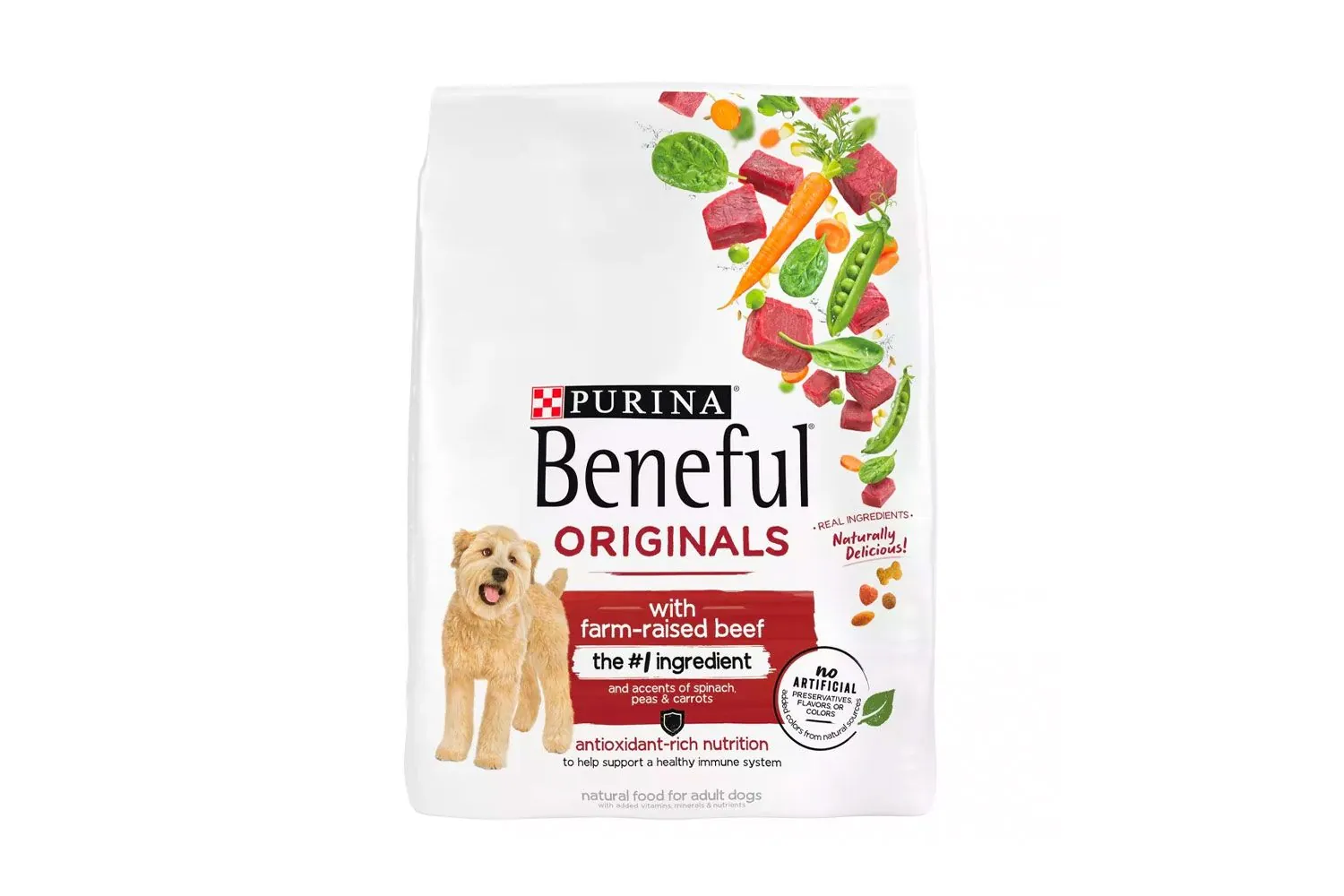
Selecting the right food requires checking three specific credentials before looking at flavors or price. These steps ensure the brand has done the scientific work necessary to support your dog’s health long-term.
- Verify the AAFCO statement says “animal feeding tests” rather than just “formulated to meet.” This confirms actual dogs ate the food and thrived, not just that it passed a lab analysis.
- Check the manufacturer’s website for a board-certified veterinary nutritionist (DACVN) on staff. If you can’t find their name or credentials listed publicly, the company likely doesn’t have one overseeing formulations.
- Review the WORLD SMALL ANIMAL VETERINARY ASSOCIATION global nutrition guidelines to understand label requirements. This helps you distinguish between marketing terms and regulated nutritional claims.
- Match the food’s life stage designation to your dog’s current age and size. Large breed puppies need different calcium-phosphorus ratios than adults, and using the wrong formula causes irreversible skeletal damage.
- Request the product’s nutrient analysis including digestibility data from customer service. Brands confident in their nutrition provide this willingly; vague answers suggest they haven’t tested absorption rates.
Tip: Don’t trust “human-grade” as a nutritional indicator. It describes handling standards, not nutrient balance, and many human-grade foods lack essential canine nutrients.
Dog food nutrition timelines
How quickly you see results from a new nutritious diet depends entirely on your dog’s starting health condition and the specific issue being addressed. Skin and coat improvements appear fastest, while metabolic changes take months.
| Situation | How long | What changes it | What to watch for |
|---|---|---|---|
| Dull coat improvement | 4-6 weeks | Fatty acid levels, protein quality | Shinier fur, less shedding |
| Digestive transition | 7-10 days | Fiber content, microbiome shift | Stool consistency, gas |
| Weight management | 8-12 weeks | Calorie density, activity level | Rib palpation, waist definition |
| Allergy symptom relief | 8-12 weeks | Novel protein, hydrolyzed diet | Reduced itching, ear infections |
| Senior joint support | 3-6 months | Omega-3s, glucosamine dose | Mobility, stair climbing ease |
If expected improvements don’t appear within these timeframes, consult your veterinarian to rule out underlying conditions that diet alone can’t fix.
Signs of adequate nutrition
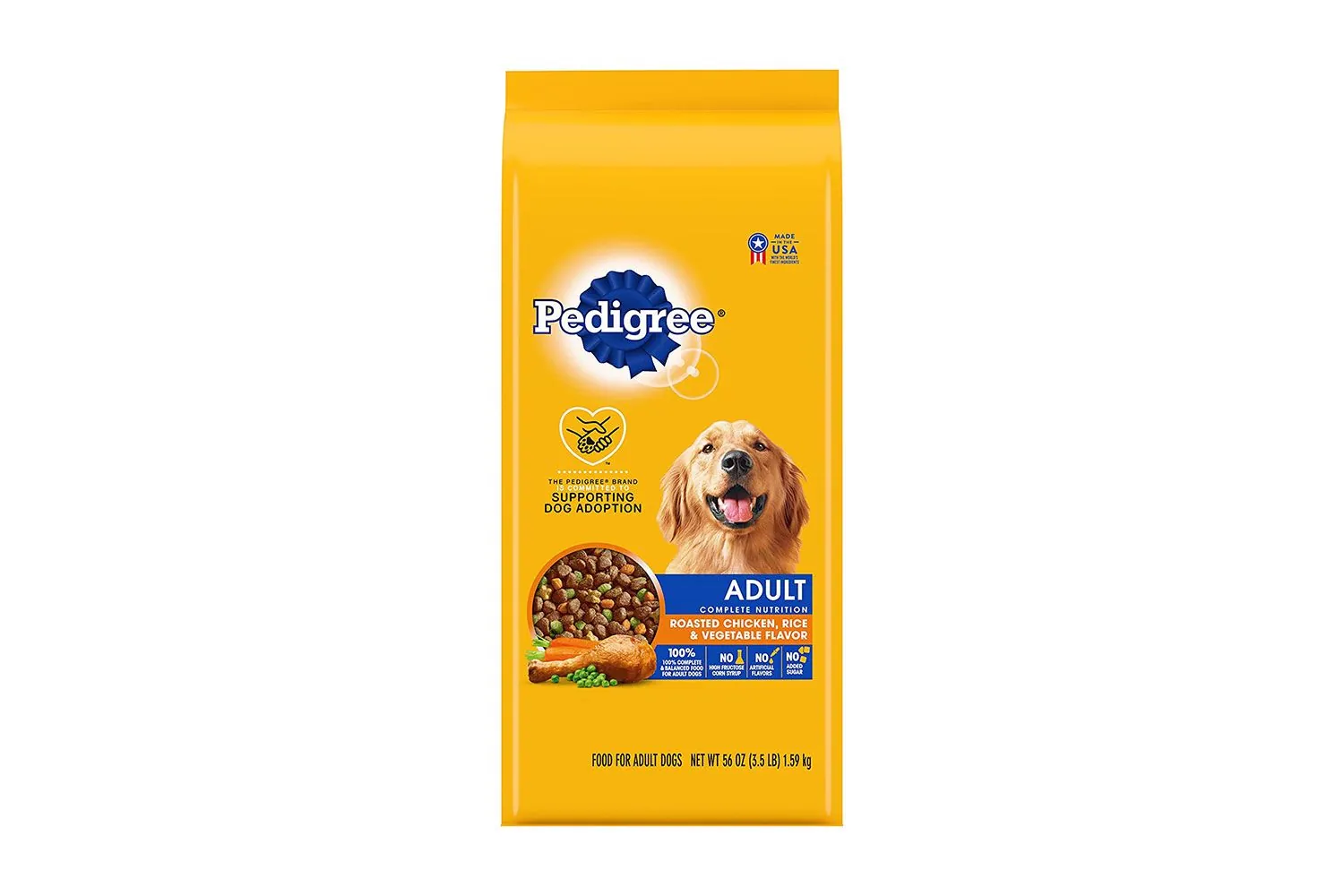
Your dog’s body provides direct feedback about whether their food meets their needs. Healthy dogs maintain consistent energy, produce firm stools, and show no signs of deficiency over time.
Stool quality matters more than frequency. Well-formed, medium-brown stools that are easy to pick up indicate good digestibility.
Energy levels should match your dog’s age and breed.
Individual dogs vary despite AAFCO nutrient profiles. Your vet can run bloodwork to confirm your dog is actually absorbing nutrients from their current food.
Common dog food selection errors
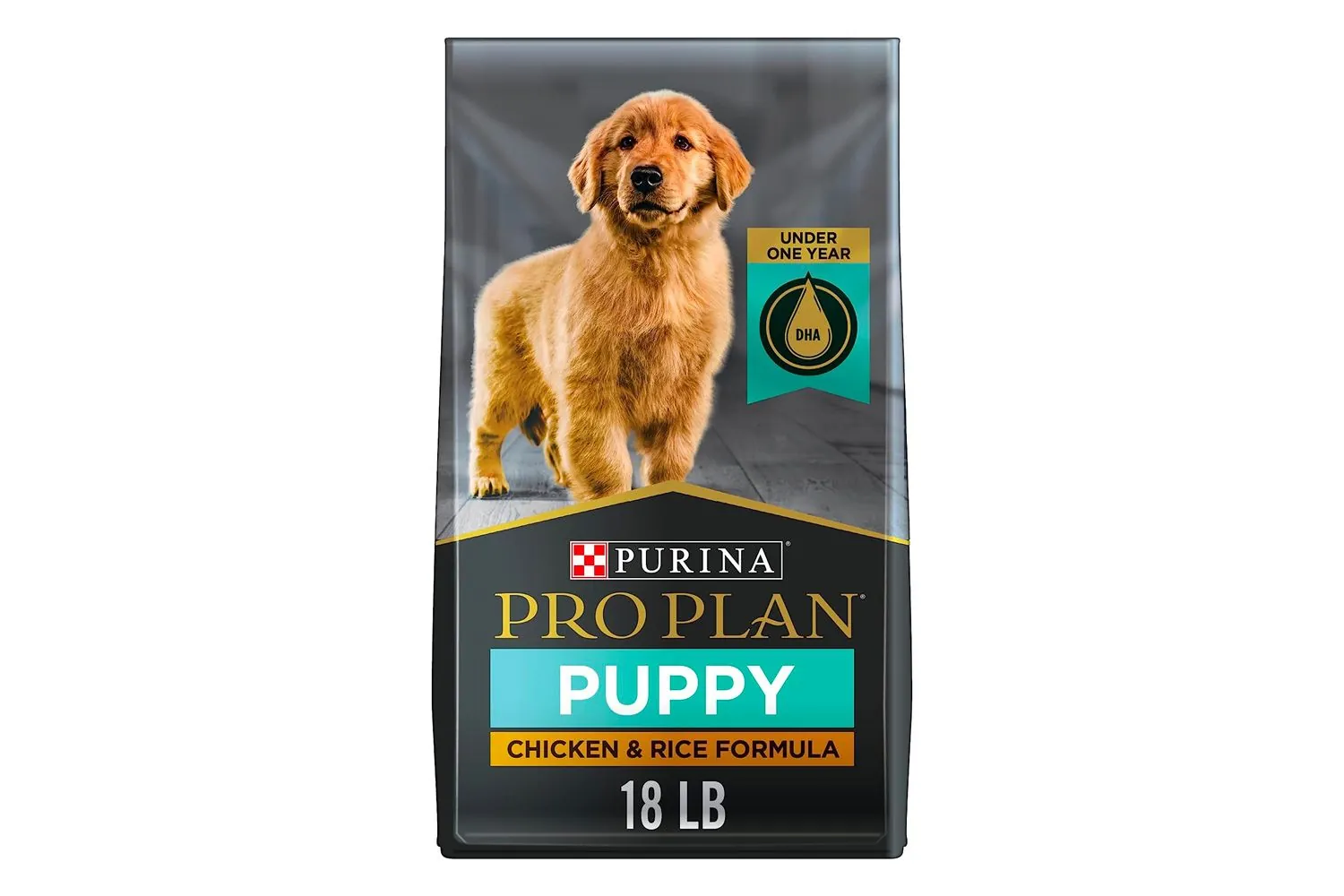
- Ignoring feeding trial data. Formulated-only foods skip real-world testing, so nutrient gaps go undetected until deficiencies appear. Always choose brands that conduct AAFCO-compliant feeding trials with published results.
- Overvaluing exotic proteins. Kangaroo or alligator sounds novel but lacks decades of safety research compared to chicken or lamb. Stick to established proteins unless your vet diagnoses a specific allergy requiring alternatives.
- Misreading guaranteed analysis. Crude protein percentages don’t reveal amino acid quality or digestibility. Ask manufacturers for biological value data instead of assuming higher numbers mean better nutrition.
- Switching foods too frequently. Constant rotation prevents stable gut flora and masks true food intolerances. Commit to one validated diet for at least three months before judging its effectiveness.
- Trusting influencer recommendations. Social media personalities rarely have veterinary nutrition training or disclose sponsorships. Base decisions on published science and professional guidance, not viral trends or unverified testimonials.
Frequently asked questions
Is grain-free dog food more nutritious?
No, grain-free diets aren’t inherently more nutritious and may increase heart disease risk. The FDA investigated links between grain-free foods and dilated cardiomyopathy in dogs. Unless your vet diagnoses a grain allergy, which is rare, grain-inclusive foods from validated brands provide safer, proven nutrition.
How much should I feed my adult dog daily?
Feeding amounts vary by brand, dog weight, and activity level, so always start with the package chart then adjust. A 30-pound moderately active dog typically needs 1.5 to 2 cups daily, but calorie density differs between foods. Monitor body condition weekly and adjust portions based on rib visibility and waist definition.
Can I mix two nutritious dog food brands?
Yes, mixing is safe if both foods are formulated for the same life stage. However, combining them changes the overall nutrient profile unpredictably. If you mix regularly, calculate combined nutrients or ask a veterinary nutritionist to verify the blend remains balanced for your dog’s needs.
Why does my dog have diarrhea after switching foods?
Diarrhea during transitions usually means you switched too fast, not that the new food is bad. Gradual transitions over 7-10 days allow gut bacteria to adapt. If loose stools persist beyond two weeks despite slow transition, the food may not suit your dog’s digestive system.
Are prescription diets more nutritious than commercial brands?
Prescription diets aren’t necessarily more nutritious overall, but they’re precisely formulated for specific medical conditions. They undergo rigorous testing for therapeutic efficacy that regular foods don’t require. Only use them under veterinary supervision, as they can harm healthy dogs when used unnecessarily.
Does expensive dog food guarantee better nutrition?
No, price doesn’t correlate with nutritional adequacy. Some budget brands conduct feeding trials while premium boutique brands don’t. Evaluate each brand on AAFCO statements, nutritionist credentials, and published research rather than cost.
How often should I reassess my dog’s food choice?
Reassess your dog’s diet annually during wellness exams or whenever life stages change. Puppies typically transition to adult food around 12 months, while seniors transition around seven years depending on their breed. Regular bloodwork and body condition scoring at vet visits confirm whether the current diet continues to meet evolving nutritional needs.
Conclusion
Choosing the right food is a big step toward keeping your companion healthy for years to come. Since every dog has unique needs, you shouldn’t hesitate to chat with your vet about these options. They’ll help you pick the perfect bowl that’s tailored to your pup’s specific lifestyle and age.